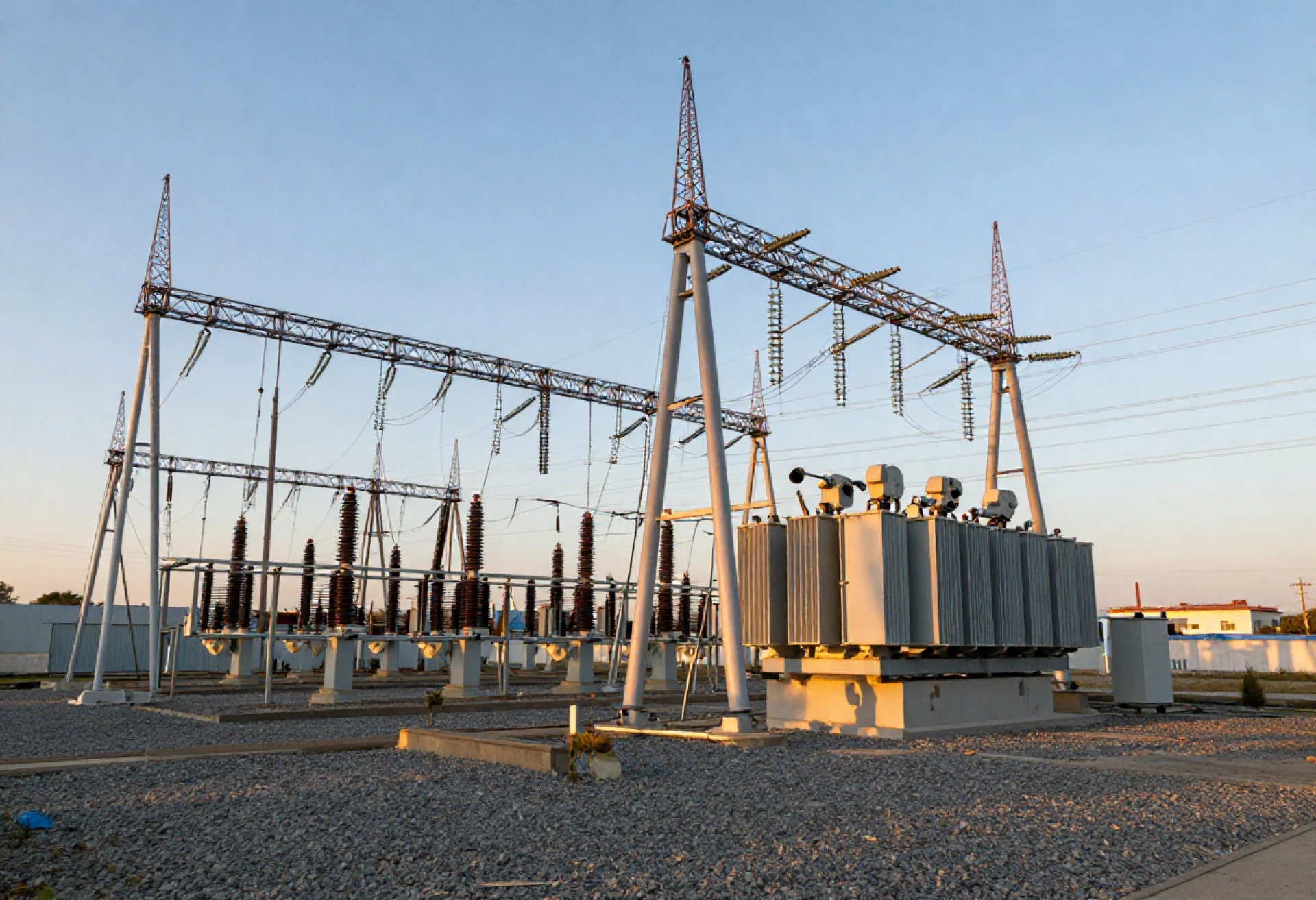
High voltage substations are the backbone of modern power systems. They play a crucial role in transmitting electricity from generation sources to distribution networks safely and efficiently. For power utilities, reliability is not just a goal—it is a necessity. A well-designed substation ensures stable power delivery, minimizes outages, and supports growing energy demands.
Designing a high voltage substation requires a combination of engineering expertise, strategic planning, and a deep understanding of power system operations. From selecting the right location to implementing protection systems, every detail contributes to overall performance and safety. In this article, we explore the essential elements involved in creating dependable substations for modern utilities.
Understanding the Role of High Voltage Substations
High voltage substations serve as critical nodes in the electrical grid. They transform voltage levels, control power flow, and protect the network from faults or disturbances. Without properly designed substations, electricity cannot be transmitted efficiently over long distances.
Power utilities depend on robust electrical substation design to maintain grid stability. These facilities contain essential equipment such as transformers, circuit breakers, disconnect switches, busbars, and protection systems. Together, these components ensure that power is transmitted safely while maintaining consistent voltage levels across the network.
Because substations handle extremely high voltages, even small design flaws can lead to major operational risks. That is why reliability, safety, and scalability must be considered from the earliest planning stages.
Key Principles of Reliable Substation Design
Designing a reliable substation begins with understanding the operational requirements of the utility and the characteristics of the local power network. Engineers must evaluate factors such as load demand, system expansion plans, environmental conditions, and regulatory standards.
One of the main objectives of substation engineering design is to ensure uninterrupted service. Redundancy is often built into the system so that if one component fails, another can take over without disrupting the power supply.
Other critical design principles include:
- Safety: Adequate clearances, grounding systems, and insulation coordination are essential to protect personnel and equipment.
- Reliability: Use of high-quality components and fault-tolerant configurations helps prevent outages.
- Flexibility: Designs should allow future upgrades or capacity expansion.
- Efficiency: Minimizing transmission losses and optimizing equipment placement improves system performance.
These principles guide engineers in building substations capable of operating reliably for decades.
Importance of an Efficient Electrical Substation Layout
The physical arrangement of equipment within a substation significantly affects safety, maintenance, and operational efficiency. A carefully planned electrical substation layout ensures that equipment is accessible, properly spaced, and protected against potential hazards.
Proper layout planning involves organizing components such as transformers, switchgear, busbars, and control buildings in a logical and efficient manner. Adequate spacing must be maintained to prevent electrical flashovers while allowing technicians to safely perform maintenance tasks.
Additionally, engineers must consider factors such as:
- Equipment access for maintenance and replacement
- Cable routing and control wiring paths
- Fire safety and emergency access routes
- Environmental conditions such as flooding or seismic activity
A well-structured layout not only enhances reliability but also reduces long-term operational costs.
Critical Equipment in High Voltage Substations
Reliable substation performance depends heavily on the quality and configuration of key equipment. Each component plays a specific role in controlling and protecting the electrical network.
Power Transformers:
Transformers adjust voltage levels to match transmission and distribution requirements. They are among the most critical and expensive components in any substation.
Circuit Breakers:
These devices interrupt electrical faults and isolate damaged sections of the network to prevent widespread outages.
Busbars:
Busbars act as central connection points that distribute electricity to multiple circuits within the substation.
Protection and Control Systems:
Modern substations rely on advanced monitoring systems, relays, and automation technologies to detect faults quickly and maintain stable operations.
Together, these elements form the foundation of effective substation design & engineering, ensuring that the facility can handle both routine operations and unexpected disturbances.
Planning for Safety and Environmental Factors
Safety is a primary concern when designing high voltage substations. Engineers must implement comprehensive grounding systems, lightning protection, and insulation coordination to minimize risks.
Grounding systems are especially important because they provide a safe path for fault currents and lightning strikes. Without proper grounding, equipment damage and safety hazards can occur.
Environmental considerations are also increasingly important. Utilities must account for weather conditions, seismic activity, and potential flooding when selecting substation sites and designing structures. Additionally, noise reduction and visual impact may need to be addressed in urban or residential areas.
By carefully considering environmental and safety factors, utilities can ensure long-term reliability and compliance with regulatory standards.
Future-Proofing Substations for a Changing Energy Grid
The global energy landscape is evolving rapidly with the integration of renewable energy sources, smart grids, and digital technologies. Modern substations must be designed to accommodate these changes.
Future-ready substations often include advanced monitoring systems, digital relays, and remote control capabilities. These technologies allow utilities to detect problems earlier, respond faster to faults, and optimize grid performance.
Scalability is another key factor. As electricity demand grows and new generation sources are added, substations must be able to expand without requiring complete redesign or reconstruction.
By adopting forward-thinking engineering practices, utilities can ensure that their substations remain reliable and efficient for many years to come.
Conclusion
High voltage substations are essential infrastructure within modern power systems. Their reliability directly impacts the stability and efficiency of electricity supply for entire communities and industries.
Designing these facilities requires careful planning, advanced engineering expertise, and attention to safety, efficiency, and scalability. From selecting the right equipment to optimizing the layout and incorporating modern automation technologies, every decision contributes to long-term performance.
For power utilities, investing in well-designed substations means building a stronger, more resilient energy network capable of meeting both current and future electricity demands.