Businesses need working environments that can accommodate employees, support communication and provide enough space for everyday operations. As organisations grow, their existing premises may no longer meet changing demands. Expanding through traditional construction can involve significant planning, time and disruption, particularly when additional accommodation is needed quickly. A modular office building offers an alternative by providing a prefabricated workspace that can be designed around specific business activities. Its adaptable structure makes it suitable for organisations seeking practical and organised commercial accommodation.
What Makes Modular Office Buildings Different?
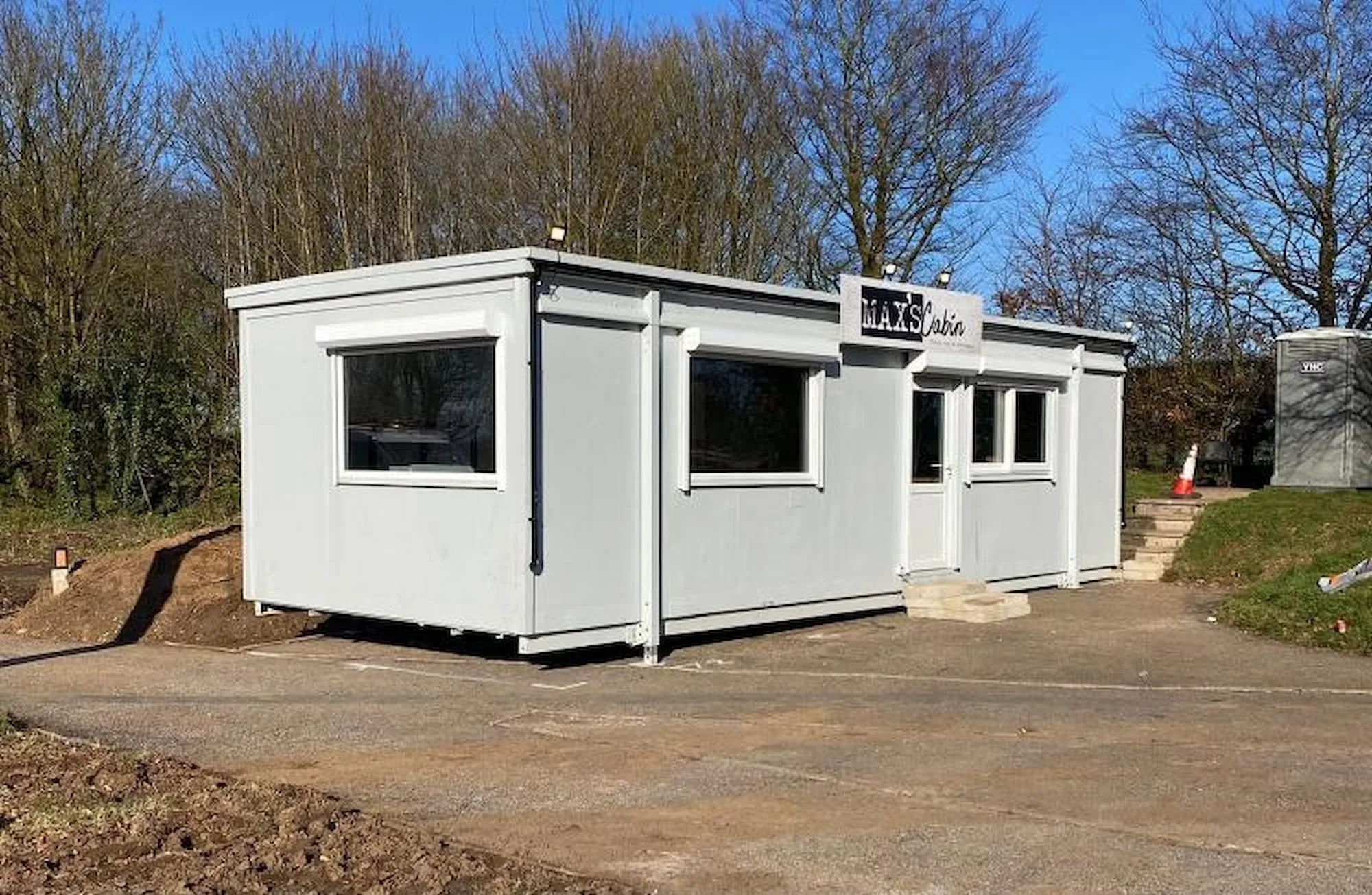
A modular office building is created using prefabricated sections that are manufactured before being transported to the installation site. These sections are assembled to form a complete working environment with the required internal layout and facilities. The process can reduce the amount of construction work required at the site compared with conventional building methods. Depending on the project, the finished space may include individual offices, meeting rooms, reception areas and shared facilities, allowing businesses to create an environment suited to their daily operations.
Planning Space Around Business Activities
The design of an office should reflect the activities taking place within it. A business with a large administrative team may require open work areas, while a management department could benefit from separate offices and private meeting spaces. Modular buildings can be planned with different layouts to accommodate these requirements. Careful consideration of employee numbers, furniture arrangements and equipment helps create a workplace where staff can move comfortably and complete their responsibilities without unnecessary interruptions.
Improving Productivity Through Better Organisation
An organised working environment can help employees manage their responsibilities more effectively. Clearly defined areas for administration, meetings and collaborative tasks make it easier to maintain an efficient daily routine. Modular office buildings can provide the space needed to separate different business functions while keeping departments connected. Suitable storage, accessible workstations and practical circulation areas can further improve the usability of the building. These features contribute to a workplace that supports communication and helps reduce avoidable disruption.
Flexible Accommodation for Expanding Organisations
Business growth can create an immediate need for additional office accommodation. New employees, changing departments and larger projects may place pressure on existing premises. Modular buildings provide an option for adding working space without necessarily undertaking a major permanent construction project. Their layouts can be considered according to current requirements and possible future expansion. Organisations reviewing wider accommodation choices can explore modular building options to understand how prefabricated spaces can support different commercial projects.
Creating Comfortable Spaces for Employees
A productive workplace should provide comfortable conditions throughout the working day. Insulation, ventilation, heating and appropriate lighting can all influence the indoor environment. Modular office buildings can be specified with facilities that support employee wellbeing and everyday usability. Businesses should also consider the positioning of windows, workstations and shared areas when planning the interior. A thoughtful design can help create a welcoming atmosphere while providing practical surroundings for employees, visitors and management teams.
Suitable Uses Across Commercial Sectors
Modular office buildings can serve different purposes across a wide range of industries. Construction companies may use them as project offices, while manufacturing businesses can establish administrative areas near production facilities. Logistics operators may need dedicated spaces for planning and coordination, and educational organisations can use additional accommodation for administration. Their adaptable nature makes them useful wherever businesses need functional working space that can be established around an existing site or operational location.
Integrating Offices with Wider Site Accommodation
Some commercial locations require several types of accommodation to operate efficiently. Alongside office space, a site may need staff facilities, storage areas or separate rooms for meetings and administration. Modular construction can help organisations plan these facilities as part of a coordinated development. Portable cabins may also provide useful accommodation for projects requiring additional space. Businesses can review portable cabin solutions when considering how different buildings could support their site requirements.
Installation and Site Preparation
Successful installation begins with an assessment of the intended location. Ground conditions, access for delivery vehicles and available space can all affect how a modular office building is positioned. Businesses should also identify requirements for electricity, water, drainage and other essential connections where applicable. Preparing the site before delivery can help reduce installation difficulties and support a smoother process. Professional planning is particularly important when the building will be positioned within an active commercial or industrial environment.
Durability and Long Term Performance
A modular office building should be selected with its intended usage and expected lifespan in mind. Material quality, construction standards and suitable specifications can influence its durability and ongoing performance. Regular inspections and maintenance can help identify issues before they affect daily operations. Businesses should also consider whether their accommodation may need to be adapted as working arrangements change. Choosing a building that reflects both current and anticipated requirements can provide greater practical value over time.
Conclusion
A productive business environment depends on suitable space, comfortable facilities and an organised layout. Modular office buildings offer organisations a practical way to establish additional accommodation while adapting the design to their operational needs. They can support administrative work, project management and a variety of commercial activities across different industries. With careful site preparation and an appropriate building specification, Halletts Spaces Ltd can help businesses identify modular office solutions that contribute to efficient operations and flexible workplace development.