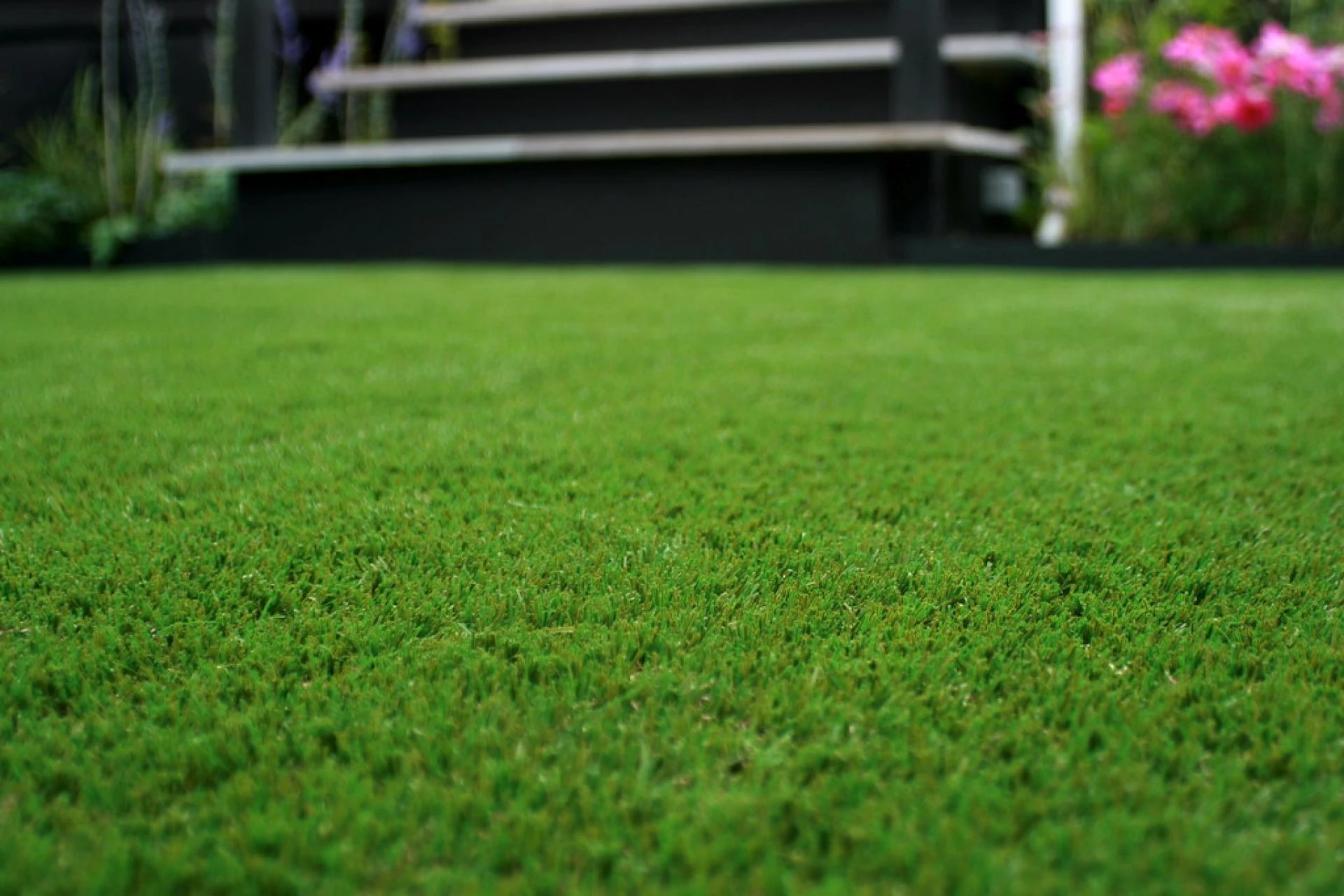
Artificial grass has become increasingly popular around residential and commercial pools because it offers a clean, modern, and low maintenance aesthetic that natural grass struggles to achieve. Pool areas endure frequent foot traffic, heavy moisture exposure, and ongoing cleanup challenges, which makes natural grass difficult to maintain. Artificial turf, by contrast, stays green year-round, never needs mowing or edging, and offers a visually appealing contrast against water, hardscape, and outdoor furniture. Homeowners who choose artificial grass around their pool often discover that it transforms the entire backyard into a polished, resort-style environment while eliminating common problems like muddy patches, grass clippings drifting in the water, and slippery wet soil.
Enhancing Visual Appeal through Strategic Layout
The layout and design of artificial grass around a pool can dramatically influence the backyard’s visual flow and functionality. Some homeowners choose to surround the entire pool deck with turf for a lush, uninterrupted green look that mimics luxury hotel landscaping. Others integrate turf in geometric sections alongside pavers or concrete slabs, creating modern patterns that break up the space and add visual interest. Artificial grass can also be used to define zones within a backyard such as lounging areas, outdoor kitchens, and play spaces without sacrificing design cohesion. The ability to cut and shape turf precisely offers creative flexibility not possible with natural grass, especially around curved pool edges and custom decks. This level of customization makes artificial turf an attractive option for homeowners looking to elevate both style and practicality.
Increasing Comfort and Safety Around Water
Comfort and safety are essential considerations when designing pool areas, and artificial grass contributes positively in both categories. Unlike natural grass, artificial turf does not turn muddy or uneven when soaked, which reduces slip hazards and keeps the space usable even after heavy splashing or cleaning. Modern turf systems often include cushioned underlayment that adds a soft, comfortable feel under bare feet, an important detail for families with children or guests who frequently walk around the pool. Turf also stays cleaner than soil or gravel, preventing small debris from reaching the water. Safety also involves heat considerations, and many newer turf products are engineered to reflect heat more efficiently than older varieties. This ensures that even in sunny climates, turf remains comfortable during pool season. With proper material selection and installation, artificial grass creates a safer, more enjoyable environment that supports swimming, lounging, and outdoor play.
Pairing Artificial Turf with Hardscape Elements
Combining artificial grass with hardscape features is one of the most effective ways to upgrade a pool area both visually and functionally. Natural stone, concrete, porcelain pavers, and composite decking each bring different textures and tones that complement turf’s vibrant green surface. Homeowners often choose alternating turf and paver designs to create contemporary stepping areas or grid patterns that feel like upscale courtyard gardens. Another design direction involves framing the pool with turf while leaving space for outdoor furniture on stone or concrete surfaces, reducing glare while softening the overall look. Hardscapes provide solid, low maintenance surfaces for dining, grilling, or sunbathing, while turf adds warmth and color, creating a balanced backyard environment. With thoughtful integration, the space feels intentional rather than patchwork, enhancing curb appeal and increasing long-term value.
Designing for Drainage and Long-Term Durability
Artificial grass around pools must be installed with proper drainage in mind to prevent water pooling or odor buildup. Quality turf systems incorporate permeable backings that allow water to flow through into a drainage base beneath the surface, ensuring that splash water quickly disperses rather than sitting on top. The base layer, typically composed of compacted aggregates, promotes controlled drainage and stability, which keeps the turf smooth and level over time. Durability is also a significant factor around pools, as chlorine, saltwater, and sunlight can degrade inferior materials. High-quality artificial grass designed for pool environments is manufactured with UV-resistant fibers and non-absorbent materials that prevent fading, discoloration, and chemical breakdown. When installed correctly, these systems maintain their appearance and performance for years, even in climates with intense heat or heavy seasonal use.
Supporting Family-Friendly and Pet-Friendly Outdoor Living
Many homeowners seek artificial grass around pool ideas because it supports a family-friendly or pet-friendly outdoor lifestyle. Children can run, play, and lounge on artificial turf without the discomfort of prickly grass blades or exposure to fertilizers, pesticides, or muddy patches. Pets also benefit from turf because it stays clean, resists digging, and is easy to rinse off with water. With pets near pools, artificial turf avoids the worn paths and bare dirt that natural grass often develops. The flexibility of turf also accommodates features such as sports areas, putting greens, or small playgrounds in the same backyard without compromising the pool’s look. By combining recreation spaces with clean landscaping, artificial grass makes the backyard more functional year-round and encourages families to spend more time outside together.
Reducing Maintenance and Water Consumption
One of the strongest advantages of installing artificial grass around a pool is the reduction in yard maintenance. Natural lawns require watering, mowing, edging, fertilizing, and weeding to stay attractive, and these tasks become even more challenging near a swimming pool. Grass clippings frequently end up in pool filters, irrigation overspray increases water waste, and soil erosion becomes a constant battle. Artificial turf largely eliminates these issues because it does not grow, shed, or require regular watering. Occasional rinsing and brushing are typically sufficient to maintain cleanliness and prevent matting. Reducing irrigation also aligns with water conservation efforts, especially in drought-prone regions where homeowners face rising utility costs and landscape limitations. Lower maintenance not only saves time and resources but also results in a cleaner and more enjoyable pool environment with fewer interruptions.
Enhancing Backyard Ambiance with Lighting and Landscaping
Artificial grass creates an inviting canvas for accent lighting and landscape features that enhance ambiance during evening hours. Pathway lighting, uplighting for palm trees or architectural elements, and soft ambient lighting around lounge areas all complement the lush appearance of turf. Low voltage lighting systems blend well with artificial grass installations because they are easy to conceal along edges and retain a seamless look during daytime. Landscaping elements such as planters, raised beds, desert plants, or tropical foliage can be strategically placed around turf to create thematic environments ranging from desert modern to coastal resort. Turf acts as a neutral visual base that allows textures, colors, and architectural elements to shine. Thoughtful lighting and landscaping elevate the backyard into a destination rather than just a pool area, creating a space for relaxation, parties, and daily living.
Conclusion: Transforming Pool Areas with Artificial Grass
Artificial grass around pools offers a versatile, stylish, and low maintenance solution for homeowners seeking to upgrade their backyard environments. It replaces the challenges of natural grass with a clean, durable surface that performs well under constant moisture, heavy use, and intense sunlight. When paired with thoughtful design elements such as hardscapes, shade structures, lighting, and landscaping, artificial turf contributes to backyards that feel cohesive and inviting. The result is a pool area that remains visually stunning throughout the year while minimizing upkeep, enhancing safety, and expanding outdoor living options. Artificial grass has proven to be more than simply a visual upgrade; it represents a functional improvement that reshapes how families use and enjoy their outdoor spaces for years to come.