
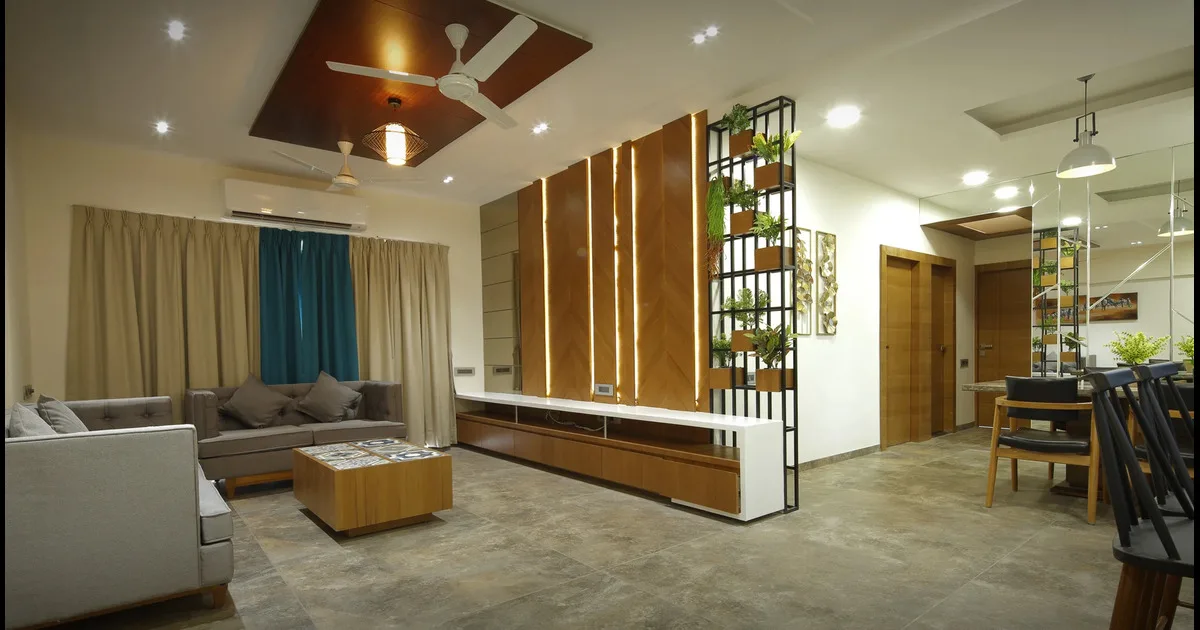
A bright home has a unique way of making everyday life feel better. Spaces filled with natural light often appear larger, more welcoming, and more comfortable. They can improve mood, create a sense of openness, and reduce the need for artificial lighting during the day. However, many homeowners worry that creating brighter interiors may lead to higher energy costs due to increased heat gain and greater dependence on cooling systems. The good news is that a well-designed home can maximize natural light while remaining energy-efficient.
One of the most effective ways to achieve a brighter home is through thoughtful window placement. Windows should not simply be added wherever space allows. Their position, size, and orientation should be carefully planned to capture natural light throughout the day. Properly placed windows can bring sunlight deep into a room without causing excessive heat buildup, helping homeowners enjoy bright interiors without increasing energy consumption.
Home orientation is another important factor. The direction a home faces can significantly impact the amount of daylight it receives. By understanding how the sun moves across the sky, designers can position rooms and openings to make the best use of natural light. This approach helps create well-lit spaces while reducing the need for artificial lighting during daylight hours.
Open floor plans can also contribute to brighter interiors. When spaces are connected and free from unnecessary barriers, natural light can travel more easily throughout the home. Large living areas, open dining spaces, and thoughtfully placed openings between rooms allow daylight to reach areas that might otherwise remain dark. This creates a brighter and more spacious feel without requiring additional energy.
The colours and materials used inside a home can have a significant impact on brightness. Light-coloured walls, ceilings, and flooring reflect natural light and distribute it more effectively throughout a room. Reflective surfaces and carefully chosen finishes can make interiors feel brighter while helping homeowners rely less on artificial lighting during the day.
Another effective strategy is incorporating architectural features such as skylights, courtyards, and light wells. These elements allow daylight to enter spaces that may not have access to exterior walls. When designed correctly, they can brighten central areas of a home while maintaining comfort and energy efficiency.
While maximizing natural light is important, it must be balanced with proper heat control. Large glass openings without shading can increase indoor temperatures and lead to higher cooling costs. Features such as overhangs, pergolas, screens, and landscaping can help filter direct sunlight while still allowing daylight to enter. These solutions improve comfort and reduce energy consumption.
Ventilation also plays a key role in energy-efficient home design. A bright home should also feel fresh and comfortable. Proper airflow helps regulate indoor temperatures and reduces the need for mechanical cooling. Designing for cross ventilation allows fresh air to circulate naturally, creating a healthier and more pleasant living environment.
Modern energy-efficient glazing can further improve performance. High-quality windows allow natural light to enter while limiting unwanted heat transfer. This helps maintain comfortable indoor temperatures and supports long-term energy savings.
Creating a bright home does not have to result in higher energy bills. Through smart design decisions, careful orientation, effective shading, and proper ventilation, homeowners can enjoy naturally lit interiors while maintaining energy efficiency. A thoughtful approach to daylight and comfort can improve both the appearance and performance of a home. Choosing professional architect services in Ahmedabad can help ensure these design principles are integrated from the beginning, creating homes that are brighter, more comfortable, and efficient for years to come.