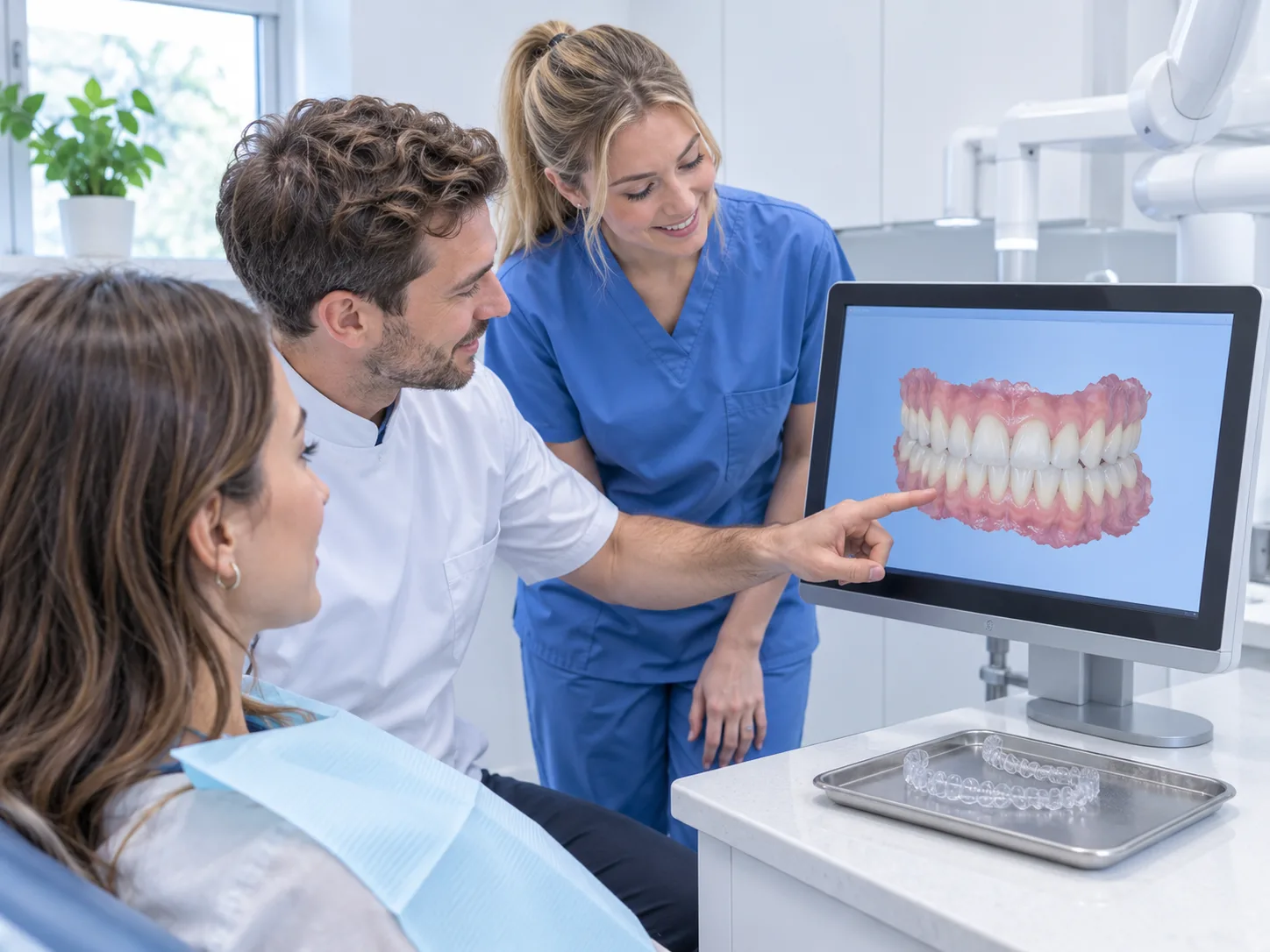
Dental hygiene covers everything done to keep teeth and gums clean and free from disease, both at home and in the dental chair. This article looks at what professional hygiene care involves, how plaque and tartar cause problems, and what a sensible home routine looks like, drawing on the approach of Trinity House Dental Care in Wilmslow, Cheshire.
What professional hygiene care involves
The practice lists [dental hygiene](https://trinityhousedentalcare.co.uk/) under general dentistry and describes it as regular cleanings and exams that prevent cavities, gum disease and other oral health issues. In practice, that means a thorough clean, the removal of plaque and tartar, and personal tips for caring for your teeth at home. The emphasis is on routine visits, with the aim of preserving healthy teeth and gums and avoiding larger dental problems later on.
Plaque, tartar and the gums
Plaque forms continuously on the teeth. When it is not removed properly, minerals in saliva harden it into tartar, which is firmly attached and cannot be brushed off at home. The gums react to both. They can become red, puffy and prone to bleeding, which is an early sign of inflammation. Because early changes are often painless, many people only discover them during an examination, which is a good argument for keeping appointments even when nothing feels wrong.
Why six months is a guide, not a rule
Six months is the interval commonly advised for check-ups and cleans. The practice points out that individual needs vary with oral health, and that its dentists draw up a personalised plan with a recommended frequency. In other words, the gap between visits should reflect the condition of your mouth rather than a fixed calendar.
A home routine that supports the clean
Home care does most of the daily work. The practice recommends brushing at least twice a day with a soft-bristled brush and fluoride toothpaste, and flossing every day to clear plaque and food from between the teeth, where a brush struggles to reach. Mouthwash can help control bacteria, though it works alongside brushing rather than replacing it. Sugary and acidic foods and drinks are best limited, and a brush should be changed every three to four months, sooner if the bristles look worn.
The role of digital X-rays
Some problems cannot be seen by looking in the mouth. Dental X-rays show what lies beneath the surface, and the practice uses digital X-ray technology, which gives out far less radiation than traditional film. That lets the dentist find issues early, when they are generally easier to treat.
Comfort for nervous patients
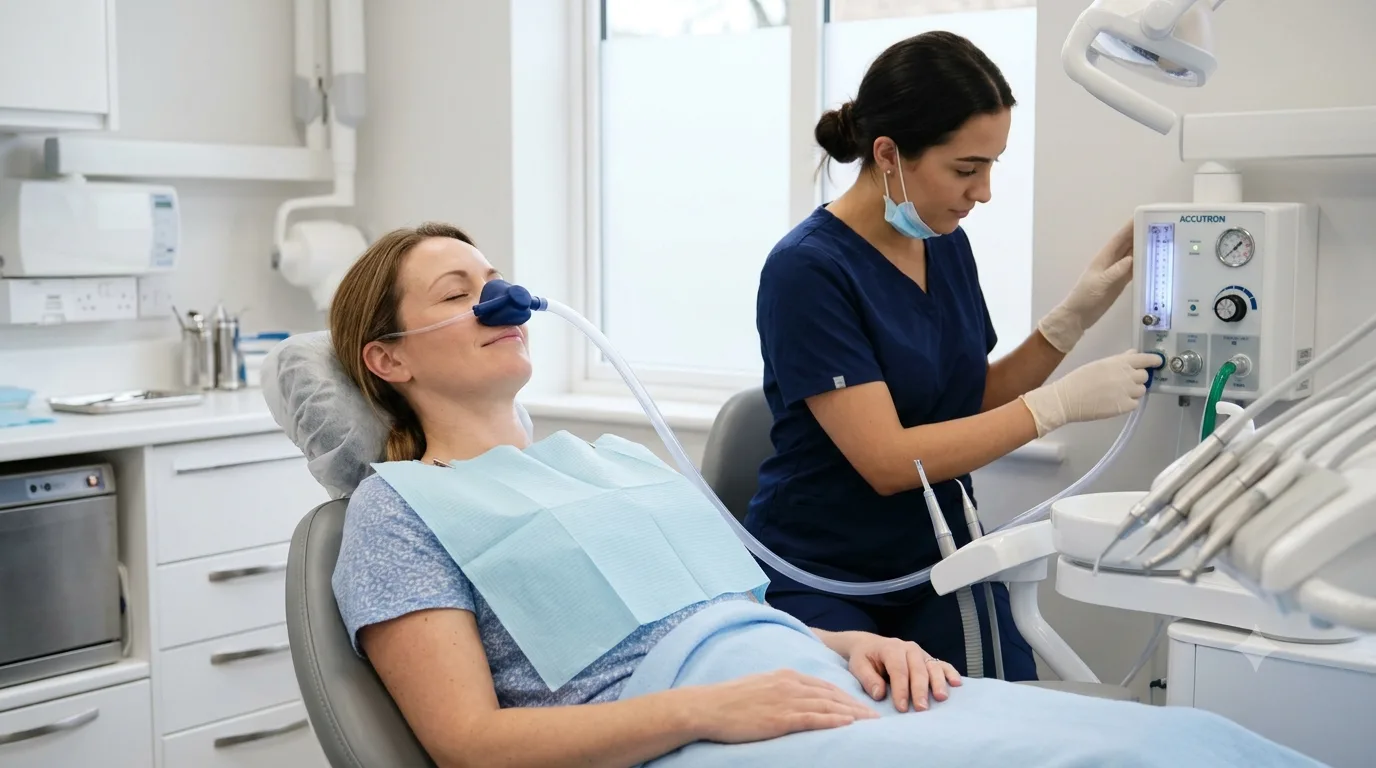
A fear of the dentist keeps some people away from hygiene appointments altogether. The practice tackles this through open communication, so concerns are known before treatment begins, and through options such as nitrous oxide, oral sedatives, calming music and virtual reality headsets. Mentioning a worry at the start of the appointment costs nothing and gives the team room to adjust their approach.
Access, fees and registration
The practice on Manchester Road in Wilmslow is open on weekdays, with evening and weekend appointments by arrangement. Patients also travel from Sale, Cheadle and Macclesfield. Fees are published on the website, and payment plans are offered to spread costs. Any hygienist working in the UK must be registered with the General Dental Council, and that registration can be checked publicly.
What regular patients say
Reviews give a picture of the experience over time. One family describes attending for ten years, with regular check-ups and hygienist appointments alongside orthodontic care. Another patient says they had never seen a hygienist before, received guidance on the right brush and technique, and now regards their oral health as very good. A further patient says their gums feel healthier since starting regular appointments. These are individual views, but they point to a hygiene service that puts teaching alongside cleaning. The practice has also been recognised with three industry awards.
Frequently asked questions
What does a hygiene appointment include?
A thorough clean, removal of plaque and tartar, and personal tips for looking after your teeth at home.
Why do I need a professional clean if I brush well?
Tartar is hardened plaque and cannot be removed with a toothbrush, so it needs professional instruments.
How often should I go?
Every six months is the usual advice, although your dentist may recommend a different pattern based on your oral health.
Which toothbrush and toothpaste should I use?
The practice advises a soft-bristled brush and fluoride toothpaste, used at least twice a day.
Are dental X-rays safe?
Digital X-rays emit significantly less radiation than traditional film X-rays.
Can the cost be spread?
Yes, the practice offers payment plans.