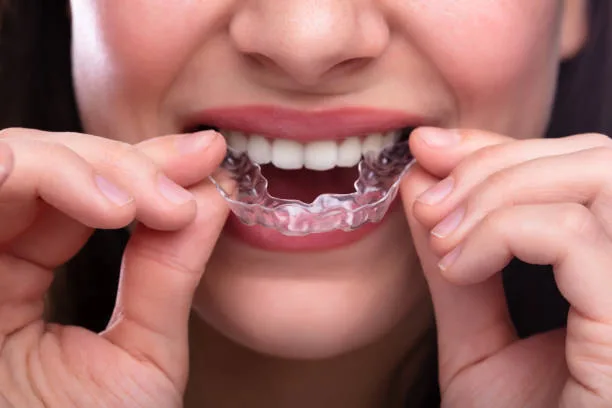
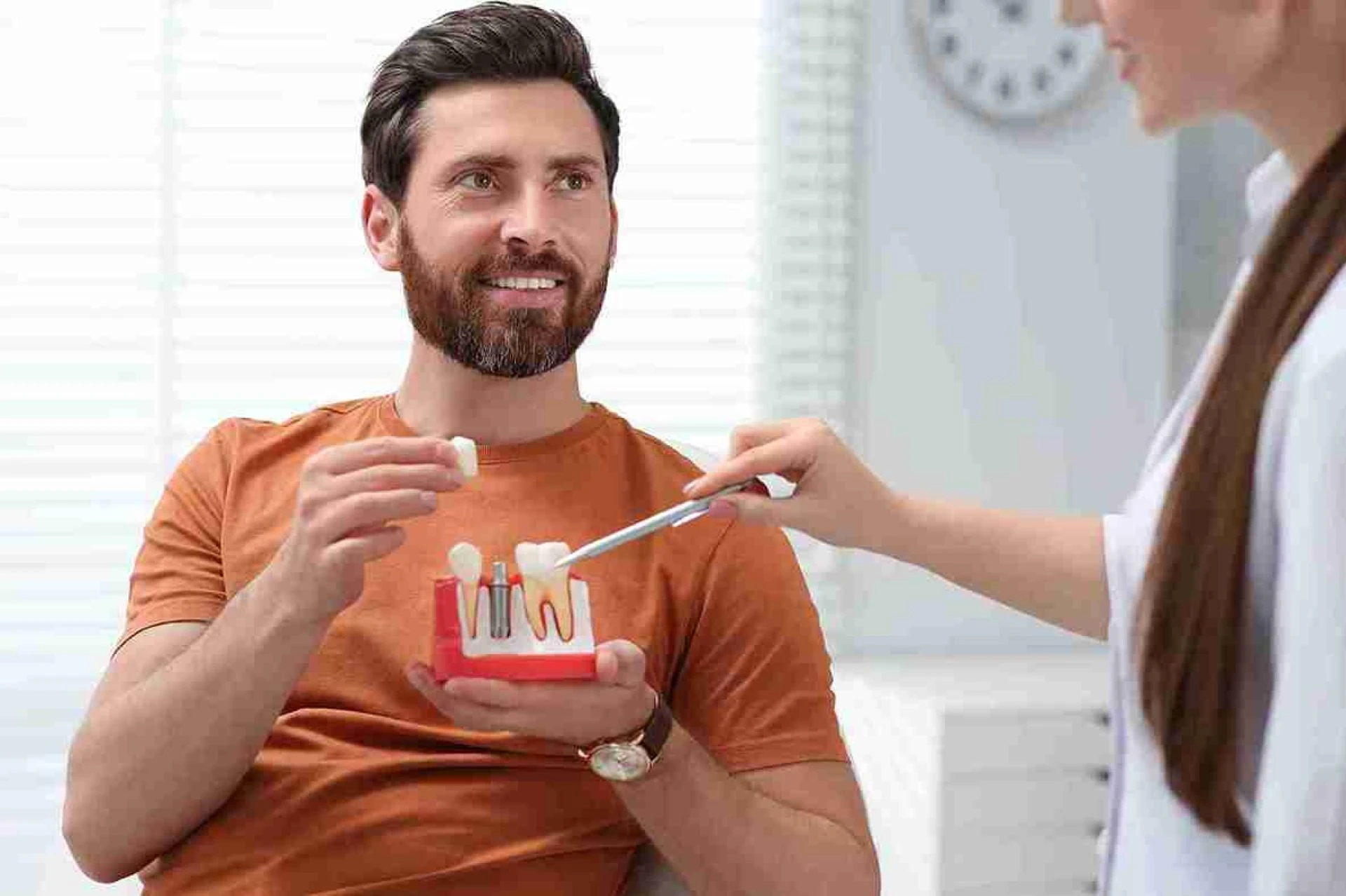
Maintaining good oral health isn’t just about visiting the dentist twice a year. For many employees, a significant part of their day is spent at work, making it the perfect place to develop healthy dental habits. From knowing what to eat to making the most of workplace dental benefits, caring for your teeth on the job can go a long way in keeping your smile healthy.In this guide, we’ll explore how you can manage your oral health at work, understand employee dental benefits, and pick up practical tips for maintaining that bright, confident smile throughout your busy day.
Why Dental Health Matters at Work
Maintaining good oral health is not only essential for a bright smile but also for overall well-being and workplace productivity. Dental issues can have far-reaching effects, influencing how you feel, perform, and interact with others at work. Here’s why taking care of your teeth matters:
Impact on Productivity
Oral pain and dental problems can severely impact concentration, reduce focus, and diminish productivity. Persistent discomfort, such as toothaches or gum pain, makes it difficult to carry out daily tasks efficiently. According to the British Dental Association, oral health issues are responsible for over 1.2 million working days lost annually in the UK. Preventive dental care and prompt treatment can significantly reduce this loss, ensuring employees remain engaged and effective at work.
Overall Health Connection
Your general health and oral health are intimately related. Poor dental hygiene can lead to more than just cavities and gum disease; it is also linked to serious health conditions such as heart disease, diabetes, and respiratory infections. Bacteria from oral infections can enter the bloodstream, increasing the risk of systemic health problems. By maintaining good oral hygiene and attending regular dental checkups, you can reduce these risks and promote better overall health.
Confidence and Well-being
A bright, healthy smile can do wonders for your self-confidence and mental well-being. Employees who feel good about their oral health are often more comfortable engaging in conversations, presenting in meetings, and networking with colleagues. Conversely, those who are self-conscious about their teeth may avoid social interactions, hindering their professional growth. By addressing dental concerns and maintaining proper oral hygiene, you can feel more confident in your workplace interactions and beyond.
Common Workplace Dental Challenges
Even with the best intentions, maintaining oral health at work can be tricky. Here are some common challenges employees face:
- Snacking and Sugary Drinks: Frequent consumption of sugary snacks and drinks can lead to cavities and gum disease.
- Lack of Time: Busy schedules may prevent regular brushing or flossing during the day.
- Stress-Related Habits: Teeth grinding (bruxism) and jaw clenching are common stress-related habits that can harm oral health.
- Limited Access to Dental Care: Employees without dental insurance or easy access to dental services may neglect regular checkups. Seeking assistance from a private dentist in Belfast can provide flexible and personalised care options for employees without adequate coverage.
Practical Tips for Maintaining Oral Health at Work
Taking care of your teeth during working hours doesn’t have to be complicated. Here are some simple ways to maintain good dental hygiene:
1. Keep a Dental Care Kit at Your Desk
- Pack a small kit with a toothbrush, toothpaste, dental floss, and mouthwash.
- Brushing after lunch can prevent plaque buildup and freshen your breath.
2. Stay Hydrated
- Drinking water throughout the day helps wash away food particles and neutralises harmful acids in your mouth.
- Avoid excessive consumption of sugary or acidic drinks like soda or energy drinks.
3. Choose Teeth-Friendly Snacks
- Opt for snacks like cheese, nuts, and fresh vegetables, which promote saliva production and protect your enamel.
- Reduce sugary snacks and sticky foods that can cling to your teeth.
4. Schedule Regular Breaks
- Take short breaks to reduce stress and avoid habits like teeth grinding.
- Consider relaxation techniques or stretches to relieve jaw tension.
5. Be Mindful of Stress Management
- Chronic stress can contribute to bruxism and other dental problems.
- Practice mindfulness, breathing exercises, or even take short walks to alleviate stress.
- Video link -Brighten Your Smile with Teeth Whitening in Belfast
Understanding Your Workplace Dental Benefits
Many companies offer dental benefits as part of their employee health packages. Here’s what you should know:
1. Types of Dental Coverage
- NHS Dental Plans: If your company offers NHS coverage, you may receive basic dental care, including checkups and necessary treatments.
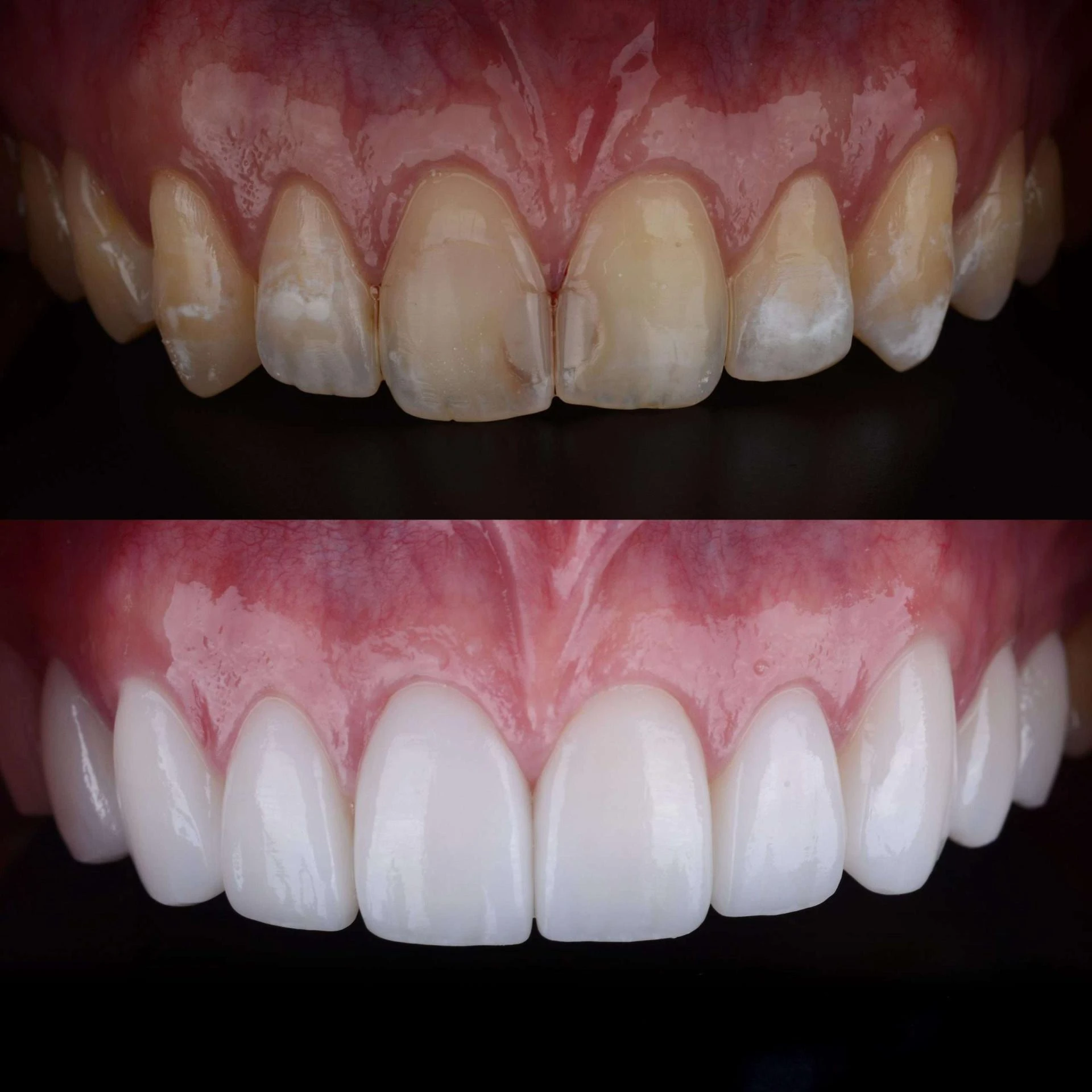
- Private Dental Insurance: Private plans often cover a broader range of treatments, including cosmetic dentistry and orthodontics. Many employees also opt for services like teeth whitening in Belfast to maintain a bright smile.
- Flexible Spending Accounts (FSAs) or Health Savings Accounts (HSAs): These accounts allow you to set aside pre-tax income for dental expenses.
2. Preventive Care Coverage
- Most dental plans cover regular checkups and cleanings, usually every six months.
- Preventive care often includes X-rays, fluoride treatments, and oral cancer screenings.
3. Emergency Dental Support
- Some plans offer emergency dental coverage, which is helpful if you experience sudden tooth pain or damage.
- Check whether your plan provides access to a 24-hour emergency dentist.
Promoting Oral Health in the Workplace
Employers play a crucial role in supporting their employees' overall well-being, and promoting good oral health is an excellent part of that effort. A workplace that values dental wellness not only benefits its staff but also enhances productivity and reduces absenteeism. Here’s how companies can create a supportive environment for oral health:
1. Provide Dental Wellness Programmes
- Offer interactive workplace workshops or seminars focusing on oral hygiene, preventive care, and the importance of regular dental checkups.
- Provide employees with informative brochures, posters, or digital content on maintaining good dental health.
- Collaborate with local dental professionals, such as a private dentist in Belfast, to offer free dental assessments or consultations on-site.
2. Encourage Regular Breaks and Stress Management
- Promote relaxation techniques like mindfulness, yoga, or meditation to help employees manage stress. Stress can contribute to oral health issues like teeth grinding and jaw pain.
- Provide comfortable, designated break spaces to allow employees to relax and recharge during their workday.
- Offer mental health resources, such as counselling services or wellness apps, to further reduce stress-related health concerns.
3. Support Access to Healthy Snacks
- Stock break rooms and vending machines with healthier options like fruits, vegetables, yogurt, and nuts, which are less likely to contribute to tooth decay.
- Reduce or limit sugary snacks and beverages, such as soft drinks and sweets, that can increase the risk of cavities and gum disease.
- Educate employees about how diet affects oral health and encourage hydration by providing access to clean drinking water.
4. Include Dental Benefits in Health Plans
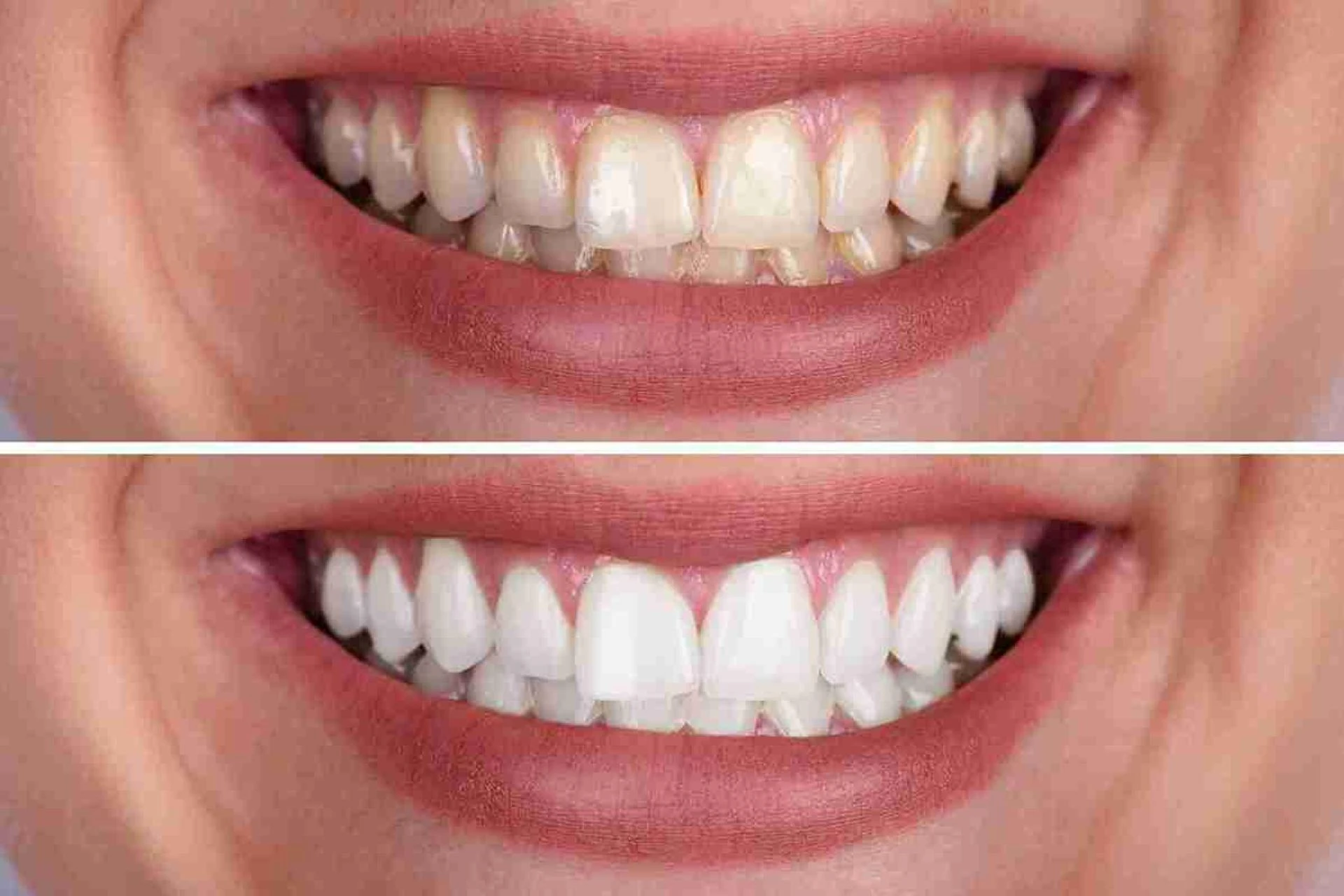
- Ensure that the company’s health insurance plan includes comprehensive dental coverage, including preventive care, routine cleanings, and emergency treatments.
- Provide employees with clear, easy-to-understand information on how to access their dental benefits.
- Partner with local dental clinics to offer discounted services or corporate dental care packages.
By promoting oral health in the workplace, employers create a positive environment that values well-being. Employees are more likely to maintain good dental habits, reducing absenteeism and boosting overall workplace morale.
Statistics on Dental Care and the Workplace
- 39% of adults in the UK have not visited a dentist in the last two years, often due to financial or time constraints.
- 1 in 4 adults avoid smiling because they are embarrassed about their teeth, impacting confidence at work.
- Employers offering comprehensive dental plans report a 20% improvement in employee satisfaction and overall well-being.
- Dental issues are one of the top reasons for short-term sick leave, contributing to 1.2 million lost workdays annually in the UK.
Conclusion
Maintaining good dental health at work is simpler than it seems. By following small, practical habits like brushing after lunch, choosing healthy snacks, and staying hydrated, you can keep your smile in top condition. Take advantage of workplace dental benefits and prioritise regular checkups.Remember, a healthy smile is not only a sign of good oral hygiene but also a boost to your overall confidence and well-being. Keep smiling, stay healthy, and make your oral care a part of your everyday work routine!