
India's marketing landscape presents unparalleled diversity with its 22 official languages, 29 states, and countless cultural nuances. As highlighted in Lexiphoria's analysis, brands must transcend generic strategies to succeed in this complex environment. The concept of #i11n (Indianization) – deep localization tailored to India's diversity – has emerged as the critical differentiator for market success.
Why Standard Marketing Approaches Fail in India
Lexiphoria's research demonstrates how India's diversity extends far beyond linguistic differences. Their findings reveal that consumer behavior, purchasing power, and brand perception show dramatic regional variations. Campaigns that perform exceptionally in Delhi often underperform in Chennai, proving the necessity of Deep Indianization – a strategy that must account for:
- Regional cultural contexts
- Local buying habits
- State-specific festival calendars
- Dialectical nuances in communication
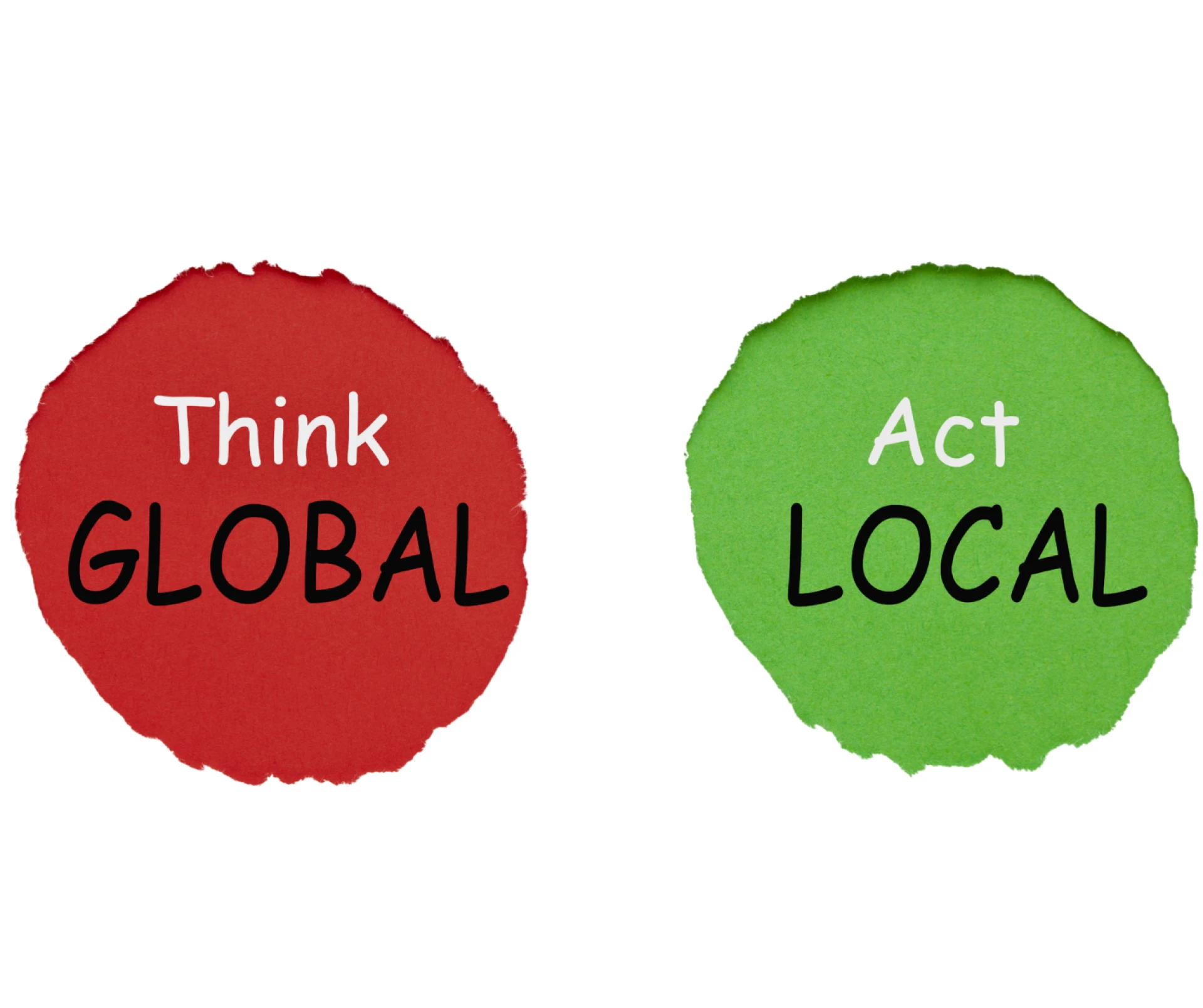
The Pillars of Successful Indianization (#i11n)
Culturally Adapted Content
Lexiphoria's research demonstrates that content must be deeply rooted in regional cultures to truly resonate with Indian audiences. Their framework emphasizes developing authentic narratives that incorporate genuine cultural references rather than superficial stereotypes. Visual elements need to carefully reflect local aesthetics, color preferences, and design sensibilities specific to each region. With short-form video dominating consumption patterns, creating snackable content using authentic dialects and local mannerisms becomes crucial. This approach helps brands avoid the common pitfall of producing content that feels mechanically translated rather than organically crafted for each audience.
Hyper-Local Market Entry
Lexiphoria's market entry methodology stresses the importance of granular regional understanding before expansion. Their approach begins with comprehensive demographic studies that analyze consumption patterns beyond basic population metrics. Each state's unique regulatory environment requires specialized compliance planning to avoid operational hurdles. The strategy advocates for phased multi-channel rollouts, often starting with digital platforms before expanding to physical retail. Localized operations and logistics adaptation ensures the supply chain can support regional variations in demand and infrastructure capabilities.
Tech-Powered Localization
Modern localization leverages cutting-edge technology solutions as highlighted by Lexiphoria's findings. Automated multilingual content tools now enable brands to maintain message consistency while achieving cultural relevance across languages. With vernacular voice searches growing exponentially, optimizing for regional language queries has become a competitive necessity. Advanced geo-targeting capabilities allow for precision marketing at neighborhood-level granularity. Perhaps most impactful are dynamic offer management systems that automatically adjust promotions and pricing based on real-time regional demand signals.
Data-Driven Insights
Lexiphoria's analytical approach transforms localization from guesswork to science. Their sentiment tracking systems detect subtle emotional responses to brands across different linguistic regions. Consumption pattern analysis reveals how purchasing behaviors shift not just between states but often between neighborhoods. Cultural preference mapping helps identify regional taboos and aspirational triggers that influence buying decisions. Most valuable is the real-time campaign optimization that allows for immediate adjustments based on regional performance metrics, maximizing marketing ROI across India's diverse markets.
Implementing Indianization: Practical Steps from Lexiphoria's Playbook
- Develop Localization Frameworks
- Create culturally sensitive state playbooks
- Map regional festival calendars
- Identify authentic influencer networks
2. Build Localized Customer Journeys
- Implement regional language interfaces
- Design area-specific engagement touchpoints
- Customize service delivery models
3. Measure Regional Performance
- Establish geography-specific KPIs
- Conduct comparative market analyses
- Implement localized ROI tracking
Conclusion: The Future is Localized
As Lexiphoria's extensive research confirms, brands embracing Deep Indianization gain sustainable competitive advantage in India's complex market landscape. Their studies prove that companies viewing India as a network of unique regional opportunities – rather than a monolithic market – achieve superior results through thoughtful localization strategies.
For deeper insights into India's market dynamics,Explore Lexiphoria.