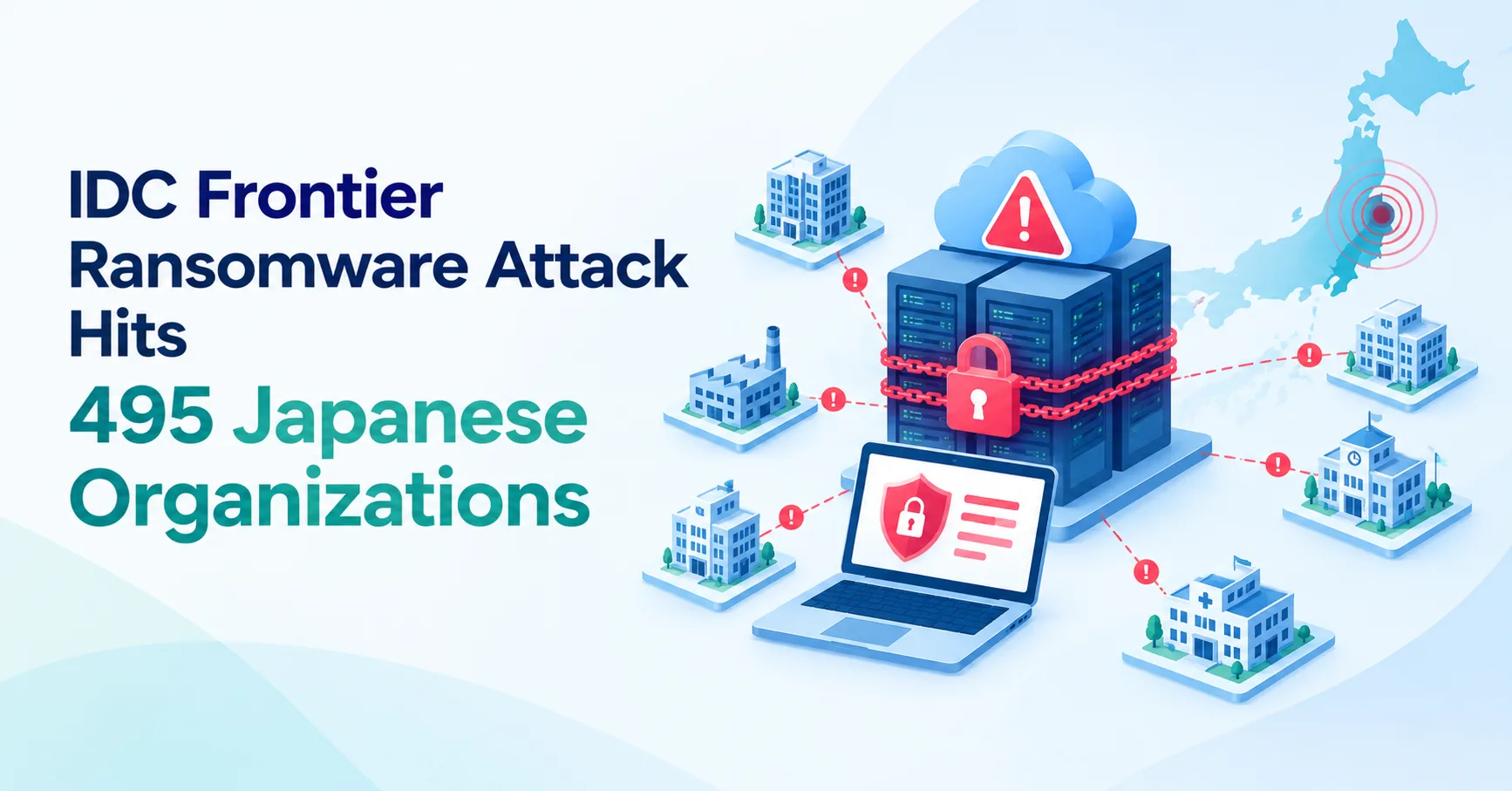
Protecting personal information has become a need in today's data-driven environment. Sadly, data breaches continue to happen despite the best efforts of individuals and companies. They can have severe financial ramifications, harm reputations, and even lead to legal issues.
However, how does a data breach happen, what is it, and how can it be prevented?
This article covers everything you need to know about data breaches, including how they occur and how to protect your company and yourself.
What Is a Data Breach?
A data breach refers to an event whereby unauthorized parties access sensitive, protected, or confidential information. Such data can encompass personally identifiable information (PII), financial data, login details, or intellectual property. After being stolen or leaked, this data can be utilized for nefarious activities such as identity theft, fraud, or corporate espionage.
Violations can strike anyone—companies, governments, hospitals, schools, and regular users. They may be accidental or malicious, internal or external. No matter how they occur, the effects tend to be serious and far-reaching.
How Does a Data Breach Happen?
A data breach does not necessarily start with an elaborate cyberattack. Most breaches result from simple mistakes, poor security habits, or even old-fashioned theft. Let's run down the most typical reasons:
1. Phishing Attacks
Cybercrooks usually employ misleading emails or spoofed websites to make users provide login information. Once they have entered, they are able to penetrate further into systems without being detected.
2. Stolen or Weak Passwords
Easy-to-guess or shared passwords are significant weaknesses. If attackers get login information from one site, they can log in to others.
3. Malware and Ransomware
Malware can creep into networks, steal information, and lock users out of systems altogether until a ransom is paid.
4. Insider Threats
Not every threat is external. Angered employees or careless staff can inadvertently or intentionally disclose information.
5. Unpatched Systems
Not patching software or failing to install security patches can leave known vulnerabilities open for attackers to strike.
What Are the Different Types of Data Breaches?
The knowledge of the kind of breaches assists in preparing good defense strategies. Some of the types of breaches include:
- Credential Stuffing: Stolen usernames and passwords from earlier breaches are used by attackers to gain access to other systems.
- Man-in-the-Middle (MitM) Attacks: Hackers intercept communications between two parties, commonly via unsecured networks.
- Physical Theft: Sensitive data on laptops, USB drives, and smartphones may get lost or stolen.
- Third-Party Compromises: A weakly secured vendor or partner can serve as an entry point for intruders.
All data breaches are different in terms of complexity, but each can lead to a great deal of harm if left unattended.
What happens when there has been a data breach?
Once a data breach has happened, the impact may play out quickly:
- Financial Consequences: Fines, lawsuits, and the cost of recovery may follow.
- Reputation Loss: Customer loss of trust results in decreased sales and brand value.
- Operational Disruption: Systems can be brought down, suspending business activities.
- Legal Action: Not safeguarding data or reporting breaches on time can result in regulatory action.
If you are a person whose data has been compromised in a breach, your information can be sold on the dark web, used to create fake accounts, or even worse.
How Do You Know If You've Been Impacted by a Data Breach?
Indications that you've been hit by a breach could be:
- Notices from banks or companies regarding suspicious activity
- Unauthorized transactions or new account openings
- Passwords are not working on some accounts
- Being contacted by identity protection services
You can also search using tools such as Have I Been Pwned to see whether your email address or credentials showed up in known breaches.
What To Do After a Data Breach?
If you think you've been involved in a data breach, move fast:
- Update Affected Passwords: Right away, change login information, particularly if the same across multiple accounts.
- Implement Multi-Factor Authentication (MFA): Introduce an additional security step for accounts sensitive in nature.
- Watch Financial Reports: Search for suspicious transactions or account modifications.
- Notify Concerned Agencies: Notify your bank, credit card company, or national cybercrime agency.
- Freeze Your Credit: It keeps new accounts from being opened in your name.
Companies also need to notify impacted users, perform forensic analysis, and examine incident response plans.
How Do You Avoid a Data Breach?
No system is 100% secure, but you can diminish the chances of a data breach immensely by following the best practices below:
For Individuals:
Use unique, strong passwords for every account.
- Turn on two-factor authentication.
- Be wary of spam emails or links.
- Keep devices and software up to date regularly.
Use secured Wi-Fi networks, particularly while working remotely.
For Businesses:
- Perform frequent security audits and penetration testing.
- Educate employees in cybersecurity awareness.
- Track network traffic for suspicious activity.
- Encrypt sensitive information at rest and in motion.
- Restrict data access to only those who require it.
The best defense is the proactive one. Waiting until there is a breach is too late.
What Are Some Notable Examples of Data Breaches?
Several high-profile breaches have been in the news over the years:
- Yahoo (2013–2014): More than 3 billion accounts were hacked in one of the biggest breaches in history.
- Equifax (2017): Private data of 147 million Americans was leaked because of a weakness.
- Facebook (2019): Data of more than 530 million people was discovered on a public forum.
- Marriott (2018): The breach involved about 500 million guest records.
These are sharp reminders that even the biggest corporations are not bulletproof.
Why Is Reporting a Data Breach So Important?
Reporting a data breach isn't merely the right thing to do in most nations—it's the law. Laws such as GDPR, HIPAA, and CCPA require organizations to inform impacted individuals within a set timeframe.
Not reporting breaches may result in enormous penalties, legal problems, and irreparable harm to the reputation of your brand. Transparent reporting manages fallout and fosters trust among stakeholders.
Final Thoughts: Stay Vigilant, Stay Secure
Although anyone can be compromised, you are your own greatest defense. You can reduce your risk of exposure by understanding how breaches occur, being aware of the telltale symptoms of a breach, and taking steps to protect data.
Remind yourself that cybersecurity is everyone's duty, whether you're an individual looking to safeguard oneself or a business protecting consumer data. You cannot afford to fall behind in the digital world of today.