Property damage rarely feels like an emergency at first. A damp patch on the ceiling, a faint smoke smell, or a few missing shingles may not seem serious enough to demand immediate action. Many homeowners tell themselves they’ll handle it when they have time. The problem is that damage doesn’t follow your schedule.
Damage restoration often becomes urgent not when the damage happens—but when its consequences finally appear.
The Illusion of “Minor” Damage
One of the biggest misconceptions about property damage is assuming that visible damage tells the full story. In reality, most damage spreads quietly. Water travels through framing and insulation, smoke particles settle into porous materials, and structural stress builds slowly after storms.
What appears to be a cosmetic issue is often just the visible edge of a much larger problem forming behind walls, under floors, or above ceilings.
How Damage Escalates Without Warning
Damage rarely stays contained. Moisture that enters drywall can migrate to electrical systems. Smoke residue can move through ventilation and affect rooms untouched by fire. Storm damage can weaken load-bearing areas without immediate collapse.
Because this escalation happens out of sight, homeowners feel a false sense of safety. By the time damage becomes obvious, restoration options are limited—and costs rise sharply.
Water Damage: The Silent Multiplier
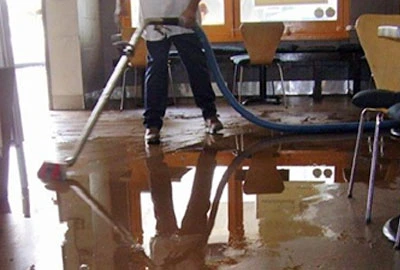
Water damage is especially deceptive. Even a slow leak or small overflow can create long-term issues if not properly dried. Trapped moisture encourages mold growth, wood rot, and air quality problems.
Many people believe that if an area feels dry, it’s safe. In reality, moisture meters and thermal imaging often reveal water hiding deep inside materials. This is why professional restoration is about detection as much as drying.
Fire and Smoke Damage Linger Longer Than Expected
Fire damage doesn’t end when the flames are out. Smoke and soot continue reacting with surfaces, causing discoloration, odors, and corrosion. Soft furnishings absorb smoke quickly, while hard surfaces become etched over time.
Delaying restoration allows residue to bond permanently with materials, turning what could have been a cleaning job into full replacement. Early intervention protects both health and property value.
Storm Damage Weakens Structures Gradually
Storm damage isn’t always dramatic. Small roof openings, shifted siding, or cracked seals allow water intrusion long after the storm has passed. Each rainfall compounds the damage, slowly weakening structural components.
By the time interior signs appear, the original storm feels like a distant memory—but the damage is still growing.
Why Restoration Is About Prevention, Not Panic
Professional damage restoration isn’t just about fixing what’s broken. It’s about stopping damage from spreading. Early restoration focuses on stabilizing the environment, preventing secondary damage, and preserving materials that would otherwise be lost.
Waiting doesn’t make restoration easier—it makes it more invasive.
The Real Cost of Delay
The most expensive restoration projects often begin as small, ignored problems. Homeowners end up paying not just for cleanup, but for reconstruction, mold remediation, and extended displacement from their homes.
Insurance claims can also become more complicated when damage is allowed to worsen over time.
Conclusion
Damage restoration doesn’t feel urgent until the moment it suddenly is. By then, the opportunity for simple solutions has passed.
Recognizing damage early and responding quickly is the difference between manageable restoration and long-term disruption. When it comes to property damage, delay is the most costly decision of all.