The granite hills of Jawai rise dramatically above the arid plains of western Rajasthan, sculpted by millions of years of wind and sun. While wildlife enthusiasts frequent the region to view big cats roaming granite boulders, the cultural rhythm of the land runs far deeper. Jawai is one of the world's most compelling examples of harmonious human-carnivore coexistence, centered around the indigenous Rabari community and a network of sacred hillside shrines. Understanding the heritage, belief systems, and daily traditions of this pastoral community reveals why Jawai represents an extraordinary cultural travel experience.
The Guardians of the Wilderness: The Rabari Nomads
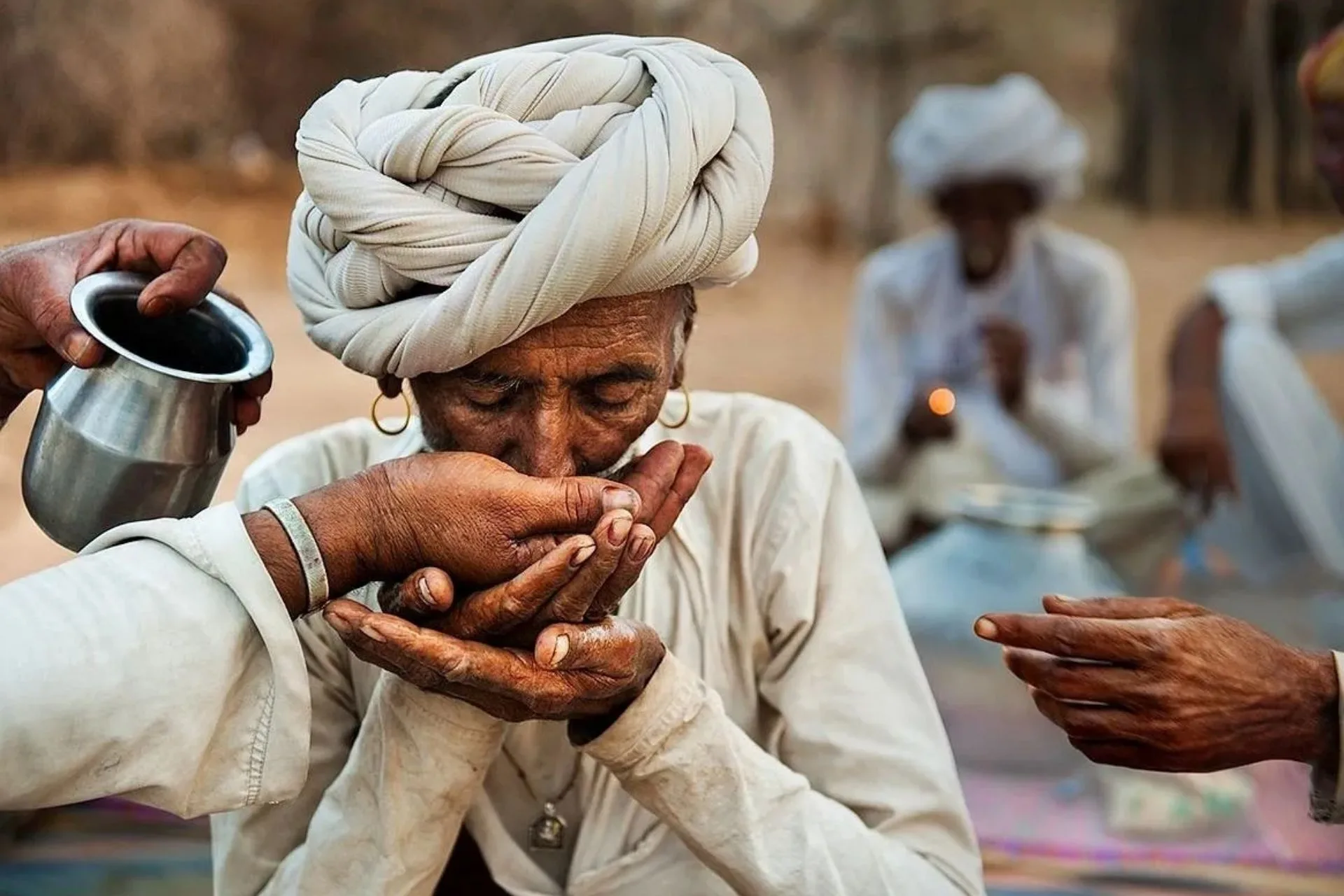
The Rabari, also recognized locally as the Raika, are pastoral nomads who have called the scrub forests and granite valleys of Rajasthan home for centuries. Traditionally camel and sheep herders, their cultural identity remains immediately recognizable. The men wear crisp, billowing white kurtas paired with voluminous turbans dyed in shades of deep scarlet or crimson, carrying carved wooden lathis (walking staffs) across the hills. Rabari women are renowned for their intricate, hand-embroidered black odhnis, heavy silver jewelry, and detailed tattoos that signify family lineages and milestones.
A key element of Rabari philosophy is their sacred kinship with nature. Legends trace the origins of the Rabari to Lord Shiva, who, according to lore, tasked their ancestors with tending the camel herds of the gods. This divine connection shapes their worldview and ethical relationship with wildlife. Leopards frequently move along the fringes of Rabari settlements and grazing routes, yet incidents of retaliation remain virtually nonexistent. When a leopard occasionally hunts livestock, the Rabari do not react with traps or violence. Instead, they view it as an offering or sacred tax paid to the wild spirits who share their domain, regarding the big cats as silent guardians under the protection of local deities.
A guided walk through a traditional Rabari settlement provides an authentic look into this heritage. Guests witness how architectural layouts incorporate natural granite rock faces, how families gather at dawn around earthen stoves, and how pastoral knowledge is passed through generations. Exploring this timeless landscape from a sustainable base like The Jawai Sagar, a premier luxury resort in Jawai, offers travelers an authentic window into pastoral life without disrupting local community spaces.
Sacred Granite: The Ancient Hill Temples of Jawai
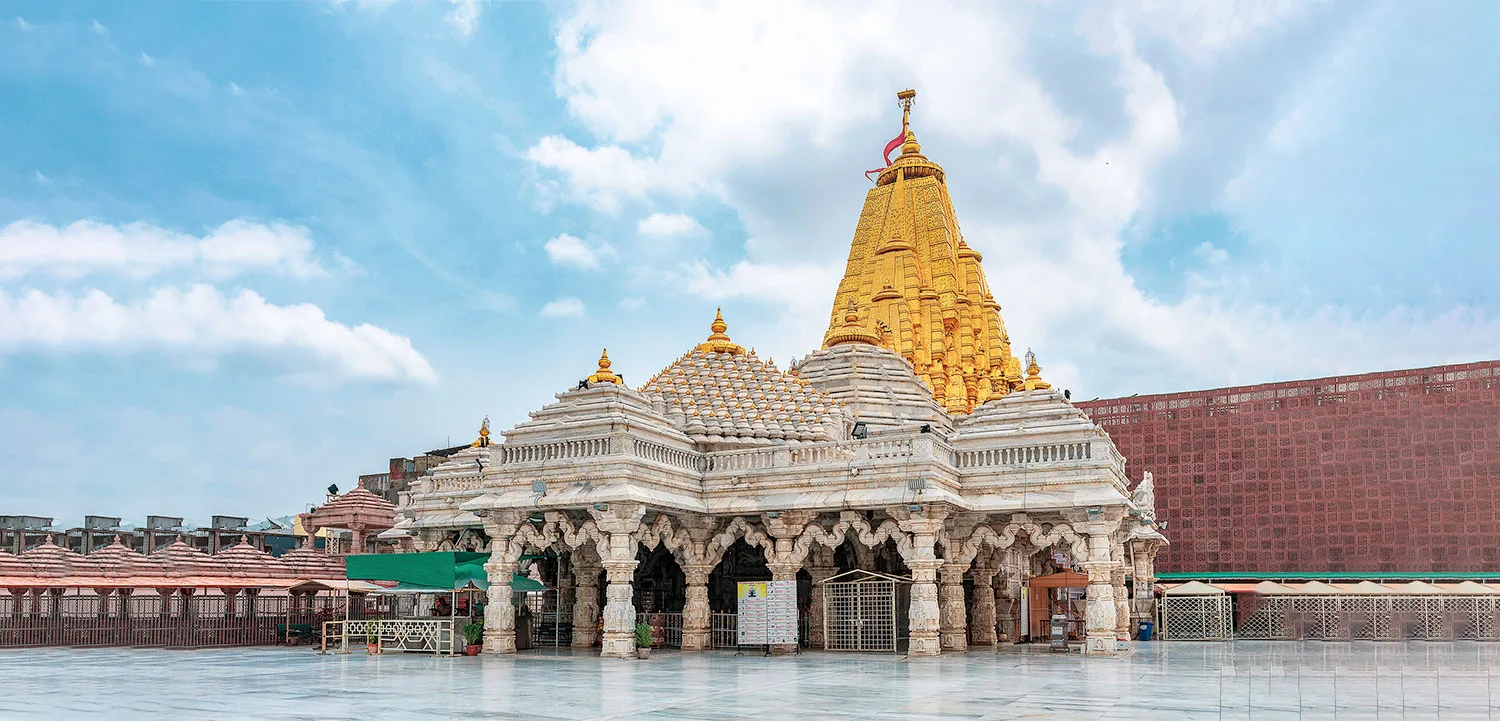
Carved directly into monolithic granite outcrops, Jawai's temples serve as places of worship and communal sanctuaries. These shrines have stood for hundreds of years, anchored high above the plains where priests, pilgrims, and apex predators cross paths peacefully.
Devgiri Cave Temple
Perched midway up a steep monolith, the Devgiri Temple honors Ashapura Mata, the mother goddess believed to shield the surrounding villages from calamity. The temple is hollowed out of natural rock caves rather than built entirely of brick, retaining an earthy, timeless aura. Leopards frequently sleep in crevices directly beneath or adjacent to the shrine stairs. Pilgrims climbing the stone steps during morning and evening prayers regularly encounter the big cats resting in the shade, coexisting without conflict. The temple priest maintains daily rituals of ringing brass bells and offering incense, keeping sacred traditions alive in the presence of free-roaming wildlife.
Kambeshwar Mahadev Temple
Nestled in the rugged crags near the Sheoganj border, Kambeshwar Mahadev is a prominent hill sanctuary dedicated to Lord Shiva. Ascending the carved stone staircases awards sweeping views of the Jawai River basin and surrounding pastoral land. During seasonal festivals like Maha Shivratri, thousands of pilgrims traverse these hills. The area around Kambeshwar remains an active wildlife corridor, underscoring the deep reverence the local population maintains for all living things within sacred terrain.
Harmonizing Heritage and Meaningful Exploration
Engaging with cultural travel in Jawai requires mindfulness, respect for local customs, and experienced guidance. Travelers should seek authentic interactions guided by local trackers who understand tribal protocols, pastoral corridors, and temple rituals. Photography in tribal hamlets should always occur with explicit permission, honoring the dignity of the residents.
Pairing cultural walks with wildlife tracking enriches the experience, showing how human life and wild animals share the same rocky terrain. Reserving your leopard safari booking in Jawai with reputable local naturalists ensures responsible travel practices that keep distances safe and protect wildlife corridors.
After full days of navigating steep shrine staircases and village trails, returning to modern comfort creates the perfect balance for deep travel. The curated resort facilities in Jawai at The Jawai Sagar provide relaxing spaces, authentic regional cuisine, and panoramic viewing points, allowing you to reflect on an ecosystem where ancient faith, nomadic heritage, and wildlife thrive together.