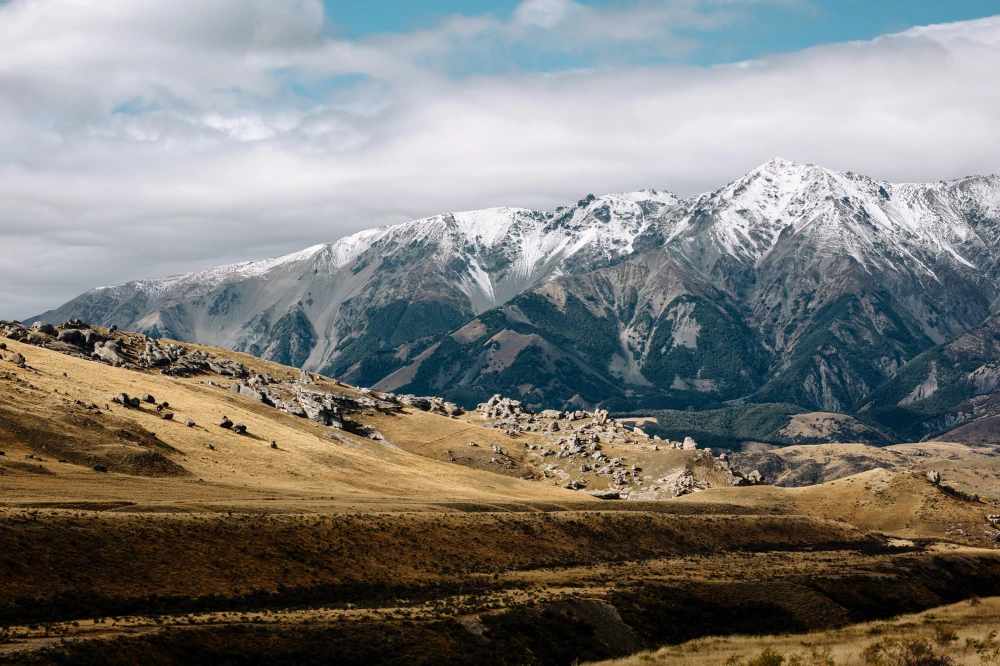
Northern Pakistan is not only famous for its towering mountains and scenic valleys but also for its deep-rooted cultures, ancient traditions, and diverse ethnic communities. Cultural tours through Northern Pakistan offer travelers a chance to experience centuries-old lifestyles, historic architecture, traditional music, local cuisines, and warm hospitality.
From the high valleys of Gilgit-Baltistan to the green hills of Khyber Pakhtunkhwa, each region tells a unique cultural story shaped by geography, history, and resilience.
Why Choose Cultural Tours in Northern Pakistan
Cultural tourism in Northern Pakistan provides a meaningful travel experience beyond sightseeing. Travelers can:
- Engage with indigenous communities
- Explore historic forts and ancient trade routes
- Experience traditional festivals and rituals
- Discover regional handicrafts and cuisines
- Learn about languages, folklore, and local customs
These tours support local economies while preserving cultural heritage.
Major Cultural Regions of Northern Pakistan
Gilgit-Baltistan: Crossroads of Civilizations
Gilgit-Baltistan lies along the ancient Silk Road and reflects a blend of Central Asian, Tibetan, and South Asian influences.
Cultural highlights:
- Baltit Fort and Altit Fort in Hunza
- Traditional Balti and Burusho music
- Polo festivals and seasonal celebrations
- Handwoven carpets and woodcraft
Visitors gain insight into mountain life shaped by harsh climates and strong communal values.
Hunza Valley: Harmony, Heritage, and Hospitality
Hunza is known for its peaceful society, long life expectancy, and rich cultural identity.
Key experiences:
- Guided tours of Baltit and Altit Forts
- Interaction with Wakhi and Burusho communities
- Traditional Hunza cuisine and organic farming
- Folk music and dance performances
Hunza offers one of the most immersive cultural experiences in Pakistan.
Kalash Valleys: A Unique Living Culture
The Kalash people, residing in Chitral’s remote valleys, practice an ancient polytheistic religion and maintain distinctive traditions.
Cultural highlights:
- Colorful festivals such as Chilam Joshi and Chaumos
- Traditional Kalash dress and jewelry
- Ancient rituals and community celebrations
Kalash culture is one of the most unique cultural identities in South Asia.
Swat Valley: Buddhist Heritage and Pashtun Culture
Swat Valley has a rich history as a center of Gandhara civilization.
Cultural attractions:
- Buddhist archaeological sites and stupas
- Swat Museum and heritage centers
- Pashtun traditions, music, and cuisine
Swat blends ancient history with vibrant modern culture.
Chitral: Music, Polo, and Mountain Traditions
Chitral’s culture reflects Central Asian influences and royal heritage.
Key experiences:
- Chitral Fort and Shahi Mosque
- Traditional polo matches
- Local music and storytelling traditions
Chitral remains culturally distinct due to its geographic isolation.
Traditional Cuisine of Northern Pakistan
Food is an essential part of cultural tours.
Popular regional dishes include:
- Chapshuro and Mamtu in Gilgit-Baltistan
- Dawdo and Harissa in Hunza
- Kalash cheese and dried fruit dishes
- Pashtun lamb karahi and traditional breads
Cultural tours often include home-cooked meals with local families.
Best Time for Cultural Tours in Northern Pakistan
- May to September: Ideal for festivals and accessibility
- June to August: Peak cultural events and favorable weather
- October: Autumn colors and quieter travel
Winter travel is limited but offers unique insights into traditional winter lifestyles.
Responsible and Ethical Cultural Tourism
When traveling through Northern Pakistan:
- Respect local customs and dress modestly
- Ask permission before photographing people
- Support local artisans and guides
- Minimize environmental impact
Responsible travel helps preserve traditions for future generations.
Why Northern Pakistan Is Ideal for Cultural Tourism
Northern Pakistan offers authentic cultural experiences that remain largely untouched by mass tourism. Its diversity of languages, religions, and traditions makes it one of the richest cultural regions in Asia.
Cultural tours through Northern Pakistan provide travelers with deeper understanding, meaningful connections, and unforgettable memories.
Final Thoughts
Cultural tours through Northern Pakistan are a journey into living heritage, where history, tradition, and daily life blend seamlessly. From ancient forts to vibrant festivals, the region invites travelers to explore culture in its purest form.
For those seeking authenticity, cultural depth, and human connection, Northern Pakistan stands as a remarkable destination.
If you want, I can: