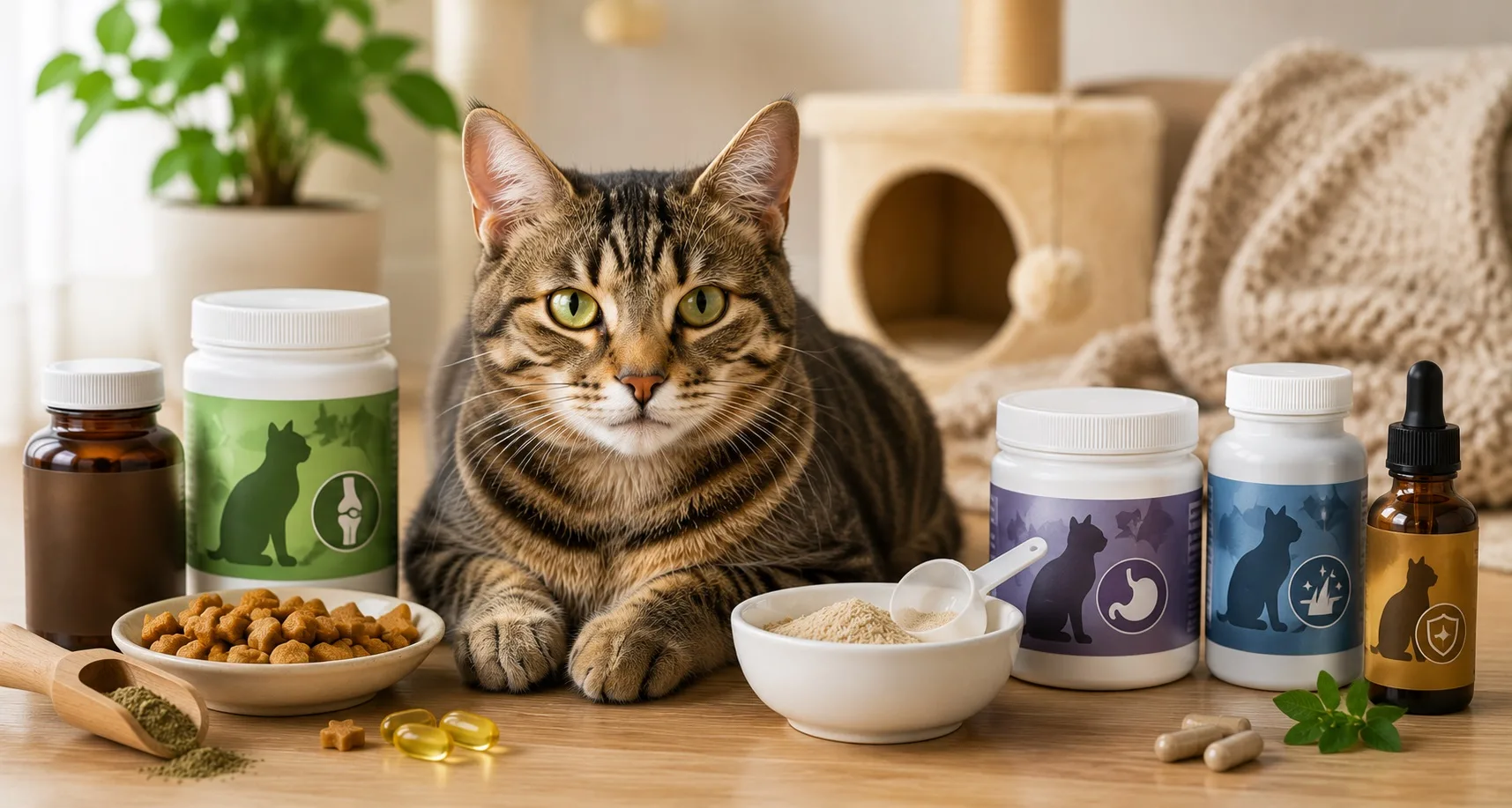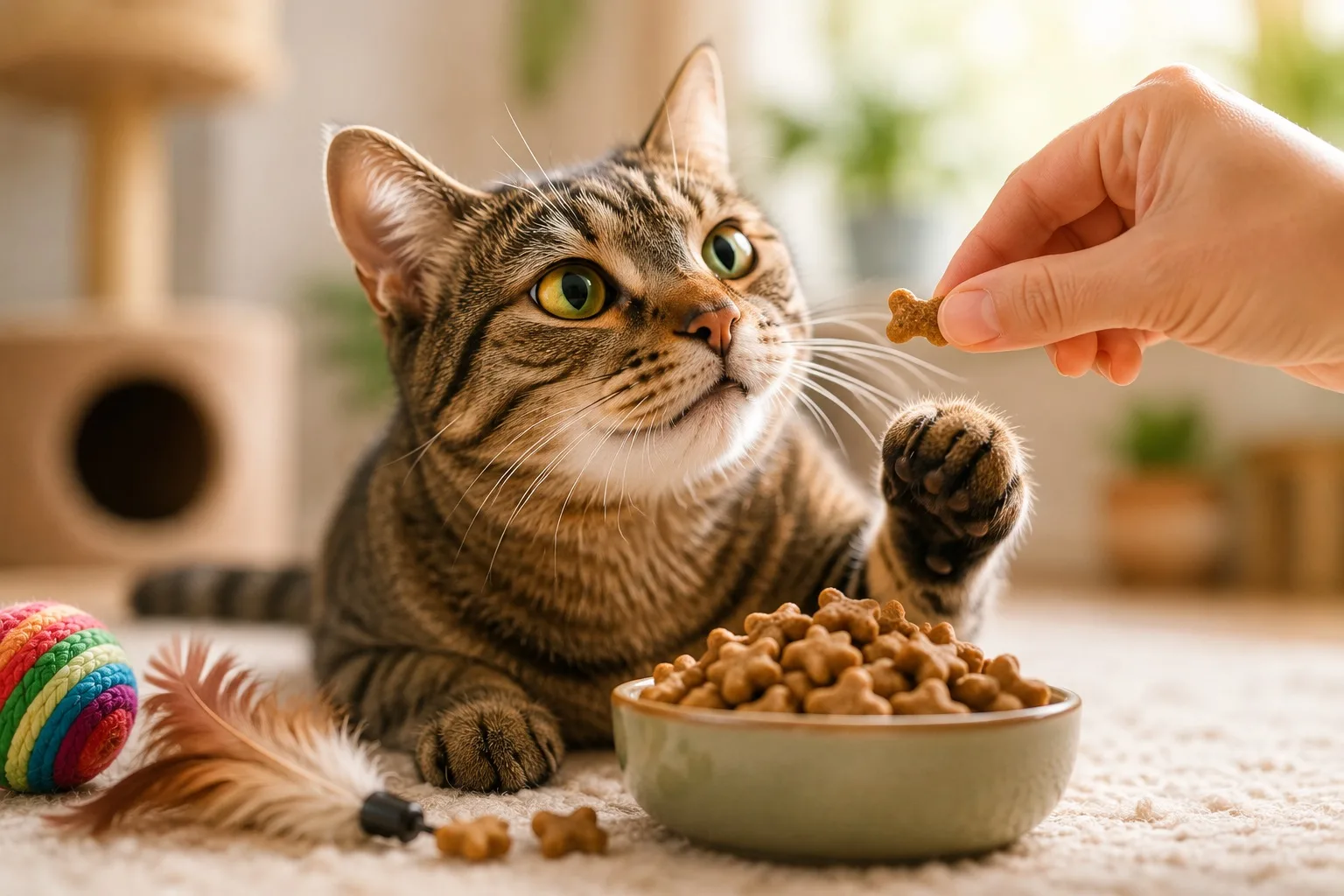
What makes a cat treat truly rewarding? For many cats, it is the combination of flavor, aroma, texture, and that satisfying little crunch. Crunchy cat treats can turn an ordinary moment into something your cat looks forward to, whether you are rewarding good behavior, adding variety to their routine, or simply sharing a little snack together.
But treats are not just about making your cat happy. The type of treat, portion size, ingredients, and how you use it all matter. A good reward should fit into your cat's overall diet without replacing a complete and balanced meal.
So, how do you choose the right crunchy treat, and when should you offer one? Let's take a closer look.
Why Do Cats Love Crunchy Treats?
Cats experience food through more than taste. Smell, texture, temperature, and even the way a treat breaks apart can affect how interesting it feels.
The crisp texture of cat crunchy treats can make snack time different from your cat's regular meal. That difference can make a small reward feel special.
Think about the sound of a treat hitting the bowl or the little crunch your cat makes while chewing. For some cats, that texture is part of the fun.
Crunchy treats can also be useful because they are generally easy to handle and portion. You can offer one or two pieces without turning a quick reward into a full meal.
However, not every cat has the same preference. Some cats love a firm crunch, while others prefer soft treats. Your cat's individual taste should always be part of the decision.
What Makes a Good Crunchy Cat Treat?
The crunch is only one part of a good treat.
When shopping, look beyond the front of the package and consider what the treat contributes to your cat's overall diet.
1. A Flavor Your Cat Enjoys
A treat is supposed to be rewarding. If your cat turns away from it, it is probably not going to work very well as a training reward.
Popular flavors often include chicken, turkey, salmon, tuna, and other animal-based ingredients. But cats can be surprisingly particular.
If your cat already has a favorite protein, starting with a treat featuring that flavor may be a good choice.
2. A Simple Ingredient List
You do not need to choose a treat simply because the ingredient list is short. Still, knowing what goes into your cat's treats is useful.
Look for ingredients that make sense for the product and avoid choosing solely based on marketing phrases on the front of the package.
A treat can contain several ingredients and still fit into a healthy feeding routine. The important thing is how it fits into the cat's complete diet.
3. Appropriate Calories
Treats are small, but calories can add up quickly when you offer several throughout the day.
For example, imagine rewarding your cat every time they come when called. One treat might not seem like much. But if you repeat the exercise many times, those small rewards can become a meaningful part of the day's calorie intake.
This is why portion control matters.
4. A Texture Your Cat Likes
Crunchy treats can be especially appealing to cats that enjoy firm textures.
But do not assume every cat will prefer them. Watch your cat's response. If they sniff the treat, bite it, and come back looking for more, you probably have a winner.
Crunchy Cat Treats and Cat Treats for Training
Treats can be useful during training, but the trick is to keep rewards small.
Yes, cats can learn behaviors. The reward simply needs to be motivating enough to get their attention.
Cat treats for training can help reinforce behaviors such as:
- Coming when called
- Sitting on cue
- Entering a carrier
- Staying calm during handling
- Using a scratching post
- Learning simple tricks
- Becoming comfortable with new environments
Let's say you are trying to teach your cat to enter their carrier without a struggle.
Instead of waiting until the day of a vet visit, place the carrier somewhere familiar. Reward your cat for looking at it. Then reward them for walking closer. Later, reward them for stepping inside.
The treat becomes part of a positive association.
Keep Training Sessions Short
Cats can lose interest quickly.
A five-minute training session with tiny rewards can be more useful than a long session that leaves your cat frustrated.
Try this simple pattern:
Behavior → Reward → Pause → Repeat
For example:
Cat enters carrier → crunchy treat → short pause → repeat
The goal is not to feed your cat as many treats as possible. It is to make the reward meaningful.
How Many Crunchy Cat Treats Should You Give?
There is no single number that works for every cat.
Your cat's size, age, activity level, health, and regular diet all affect how many treats fit into their daily routine.
Treats should be treated as extras rather than a replacement for a complete and balanced cat food.
A useful habit is to keep the day's treats in a small container before training or playtime. Once they are gone, treat time is over.
This makes it easier to avoid grabbing another handful without thinking.
Watch the Whole Day, Not Just One Treat
Consider everything your cat eats:
- Breakfast
- Lunch, if you feed multiple meals
- Dinner
- Treats
- Food used during training
- Other snacks
That gives you a better picture of your cat's total intake.
If your cat receives many treats during training, you can ask your veterinarian whether adjusting regular meal portions makes sense.
Are Crunchy Treats Good for Training?
They can be.
The best training treat is one your cat actually wants and can eat quickly. A crunchy treat may work well if your cat is excited by its flavor and texture.
However, there is one important detail: the treat should not distract from the behavior you are trying to teach.
Imagine you give your cat a huge treat after every successful behavior. Your cat may spend more time chewing than learning.
Tiny portions are often easier to use.
You can also break larger treats into smaller pieces if the product allows it. This gives you more opportunities to reward your cat without offering a full treat every time.
How to Choose Cat Crunchy Treats for Your Cat
Standing in front of a shelf filled with different flavors and formulas can be overwhelming.
Use this quick checklist.
Step 1: Know Your Cat's Preferences
Does your cat prefer:
- Chicken?
- Fish?
- Turkey?
- Meat flavors?
- Mixed flavors?
Start with something your cat already enjoys.
Step 2: Check the Label
Look at the ingredient list, calorie information, feeding guidance, and any specific nutritional claims.
Do not rely only on words such as "premium" or "natural."
Step 3: Consider Your Cat's Needs
A healthy adult cat may have different treat considerations than a kitten or a cat with specific dietary needs.
If your cat has a health condition, food allergy, or veterinarian-recommended diet, check with your veterinarian before introducing new treats.
Step 4: Buy a Smaller Package First
If your cat has never tried the flavor before, you do not need to stock up immediately.
Try a smaller quantity first.
Your cat gets the final vote.
When Should You Give Crunchy Cat Treats?
Treats can fit into many parts of your cat's day.
During Training
Use small pieces to reward a behavior immediately after your cat performs it.
During Play
A treat after an interactive play session can create a fun transition from activity to relaxation.
During Grooming
If your cat dislikes brushing, tiny rewards can help make the experience more positive.
Start slowly. Reward calm behavior before increasing the amount of handling.
When Introducing Something New
New furniture, a carrier, a scratching post, or a different room can feel strange to a cat.
A small reward can help create a positive experience.
Just Because
Sometimes you simply want to give your cat a treat.
That's okay too.
Not every reward needs to be part of a training program.
Can Crunchy Treats Help With Dental Care?
This is where you should read the label carefully.
Some cat treats are specifically formulated and marketed for dental care. These products may have particular shapes, textures, or ingredients intended to support oral health.
However, you should not assume that every crunchy treat cleans your cat's teeth.
A regular crunchy snack is still a treat first. If dental health is the goal, choose a product specifically designed for that purpose and follow the feeding directions.
Regular dental care remains important, especially for cats that have tartar, gum problems, or other oral health concerns.
If you notice bad breath, bleeding gums, difficulty eating, or changes in chewing, talk with your veterinarian.
Common Mistakes When Giving Cat Treats
Treats are easy to overuse because cats quickly learn how to ask for them.
Here are a few mistakes worth avoiding.
Giving Too Many
One treat becomes two. Two becomes five. Before you know it, your cat has had a lot more snacks than planned.
Measure your daily treat allowance instead.
Using Treats for Every Behavior
Not every good behavior needs food.
Sometimes attention, play, petting, or access to a favorite activity can also serve as a reward, depending on what motivates your cat.
Ignoring Regular Meals
Treats should complement your cat's regular diet, not replace it.
Make sure the majority of your cat's daily nutrition comes from an appropriate complete and balanced food.
Changing Treats Too Often
If your cat loves a particular treat and tolerates it well, there may be no reason to constantly switch products.
When introducing something new, do it gradually and watch for any digestive or other unwanted reactions.
Make Crunchy Treats More Exciting
You do not always need a new flavor to make treats interesting.
Try changing how you use them.
Instead of placing a treat directly into your cat's bowl, you can:
- Reward a newly learned behavior
- Hide a small piece during supervised play
- Place a treat near a scratching post
- Use tiny pieces during carrier training
- Reward calm behavior during grooming
- Toss a treat a short distance for your cat to chase
Keep safety in mind. Avoid situations where your cat could swallow a treat too quickly or where food could become lodged somewhere inaccessible.
The goal is simple: turn a small snack into an engaging moment.
A Simple Crunchy Treat Routine
Want an easy routine to follow?
Try this:
Morning: Give a small reward after a calm behavior or short training session.
Afternoon: Use a few tiny pieces during play or enrichment.
Evening: Offer a small treat as part of a calm bonding routine.
You do not need to follow this exact schedule. The important part is keeping treats intentional.
If your cat is already receiving plenty of food-based rewards during the day, you may not need additional snacks.
Make Every Reward Count
A good treat does not have to be complicated. Crunchy cat treats can add a satisfying texture to snack time while giving you an easy way to reward good behavior, support training, or simply share a little extra attention with your cat.
The key is choosing treats that fit your cat's needs and using them thoughtfully.
Start with a flavor your cat enjoys. Check the label. Keep portions small. And pay attention to how your cat responds.
If you are looking for cat treats for training, choose something your cat is excited to work for. If your cat loves that satisfying crunch, cat crunchy treats may be the perfect addition to your reward routine.
Ready to make treat time more exciting? Find a crunchy option your cat loves, keep the portions sensible, and turn the next reward into a moment worth looking forward to.
Frequently Asked Questions About Crunchy Cat Treats
Are crunchy cat treats good for cats?
Crunchy cat treats can be part of a cat's diet when given appropriately. Choose treats suitable for cats, follow feeding guidance, and keep portions under control.
Can I use cat crunchy treats for training?
Yes. Cat crunchy treats can work well as training rewards when your cat finds them motivating. Use small portions and reward the behavior immediately.
What are the best cat treats for training?
The best cat treats for training are usually small, appealing to your cat, easy to portion, and quick for your cat to eat. Your cat's preference matters more than choosing a specific flavor simply because it is popular.
How often can I give my cat crunchy treats?
Treat frequency depends on your cat's overall diet, calorie needs, health, and activity level. Treats should remain a small part of the daily diet.
Can crunchy treats clean my cat's teeth?
Not all crunchy treats are designed for dental care. If dental health is your goal, choose a treat specifically formulated for that purpose and speak with your veterinarian about your cat's oral care routine.