
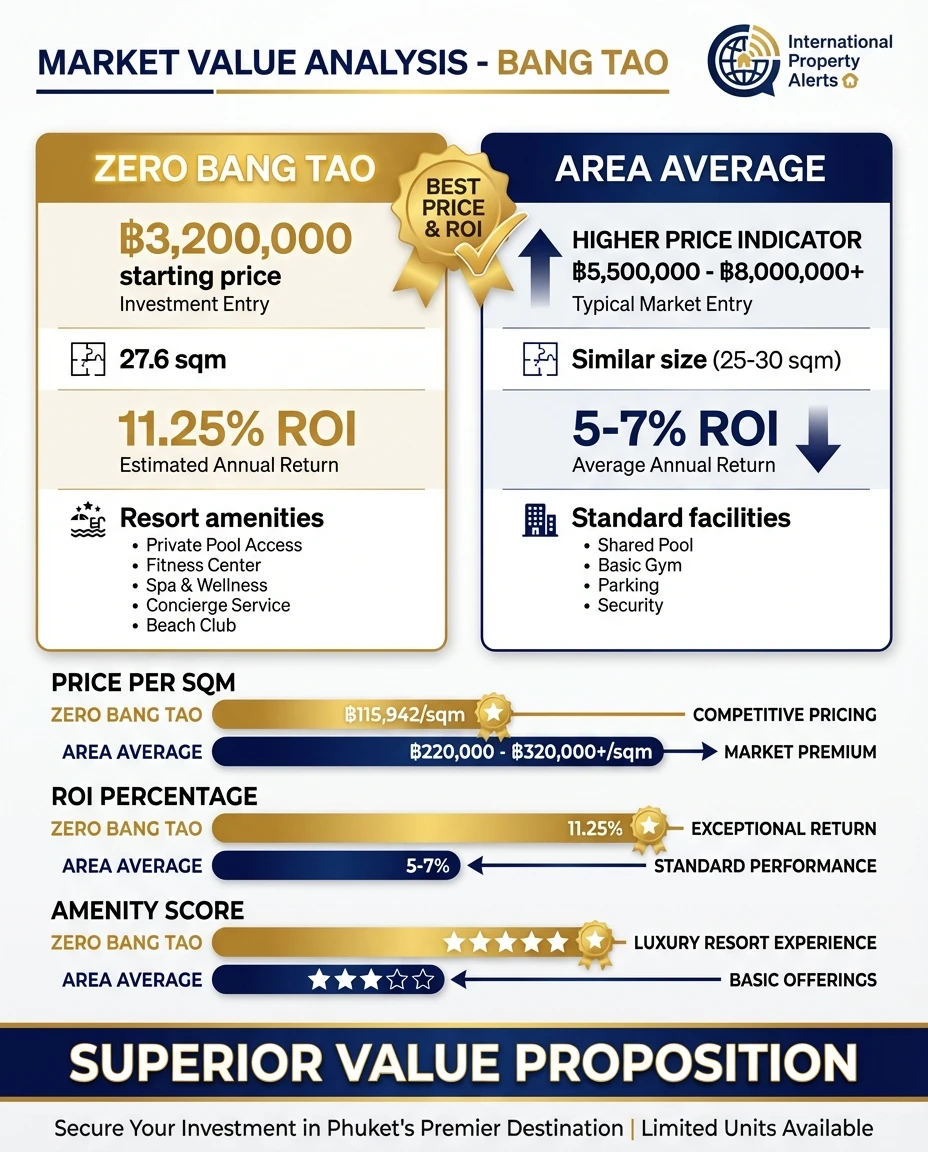
A data-led look at income, expenses, and capital growth potential for a sustainable beachfront home in Thailand’s top resort market.
International investors evaluating Phuket property can now review a data-led return-on-investment framework focused on sustainable beachfront living at The Zero Bang Tao Phuket. The model examines income, operating expenses, and potential capital appreciation over a medium-term holding period, positioning the project within the broader dynamics of Thailand’s resort real estate market.
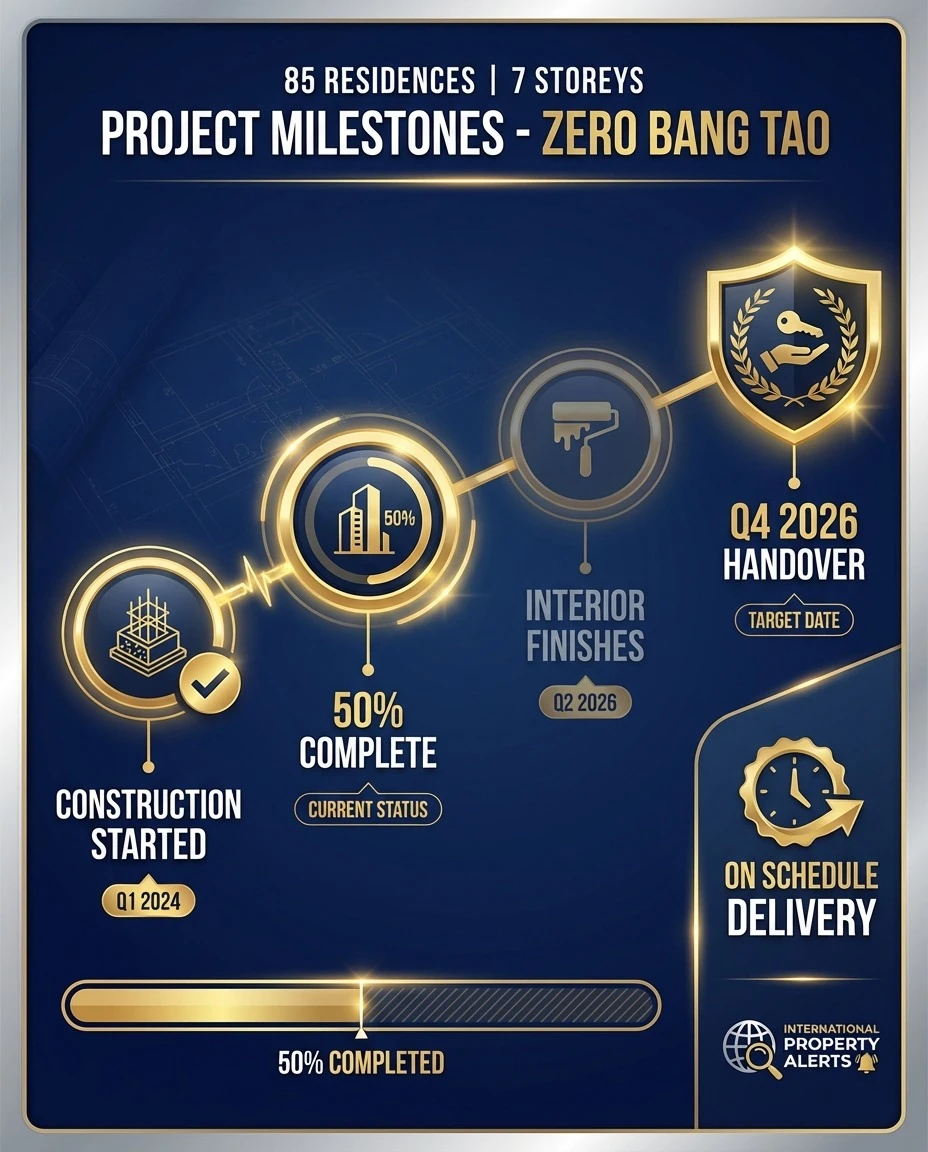
The Zero Bang Tao Phuket is a low-rise residential development planned near Bang Tao Beach in Phuket, Thailand, with design materials and technical specifications published by the developer highlighting energy-efficient systems and reduced-density layouts. The ROI framework described for a typical residence at the project uses market-based assumptions derived from independently reported Phuket tourism data, island-wide hotel and villa occupancy trends, and current information on electricity, water, and common area fees. It breaks down projected gross rental income for a holiday-rental use case, recurring running costs such as utilities, maintenance and management, and transaction-related expenses tied to a future resale.
The analysis is set against a period of renewed strength in Phuket’s tourism sector, with international visitor arrivals into Thailand and passenger numbers through Phuket International Airport both rebounding after pandemic-era lows. Recent reporting on the island’s hotel and villa markets notes increased demand for upscale and pool-villa style accommodation in established west-coast locations, alongside a growing focus by buyers on operational efficiency, environmental performance, and long-term cost control. Within this context, the model illustrates how planning choices such as lower built density, orientation for natural ventilation, and the use of energy-saving equipment can influence net yields over a five to ten year horizon by limiting variable costs and supporting year-round occupier appeal.
The ROI model also factors in regulatory and ownership considerations that apply to foreign purchasers in Thailand, including the distinction between freehold condominium structures and leasehold arrangements that are common in resort developments. It highlights how these frameworks, along with market liquidity in mature beach areas, can affect achievable resale pricing, holding periods, and transaction costs for international owners.
Prospective buyers and advisors can review the detailed ROI breakdown, including the underlying cost and income assumptions and the sustainability-related specifications cited in the model, in the investment materials provided directly by the project’s sales team and its appointed agencies.
About International Property Alerts (IPA)
IPA is a global property platform connecting serious buyers and investors with curated international real estate, providing marketing for developers and agents and introducing clients to vetted mortgage, legal, tax, currency exchange and relocation partners.
Contact
Amy Lee
Marketing Consultant
International Property Alerts
https://offers.internationalpropertyalerts.com/the-zero-phuket-bangtao