Customer Data Centralization Using Microsoft Dynamics CRM
Introduction
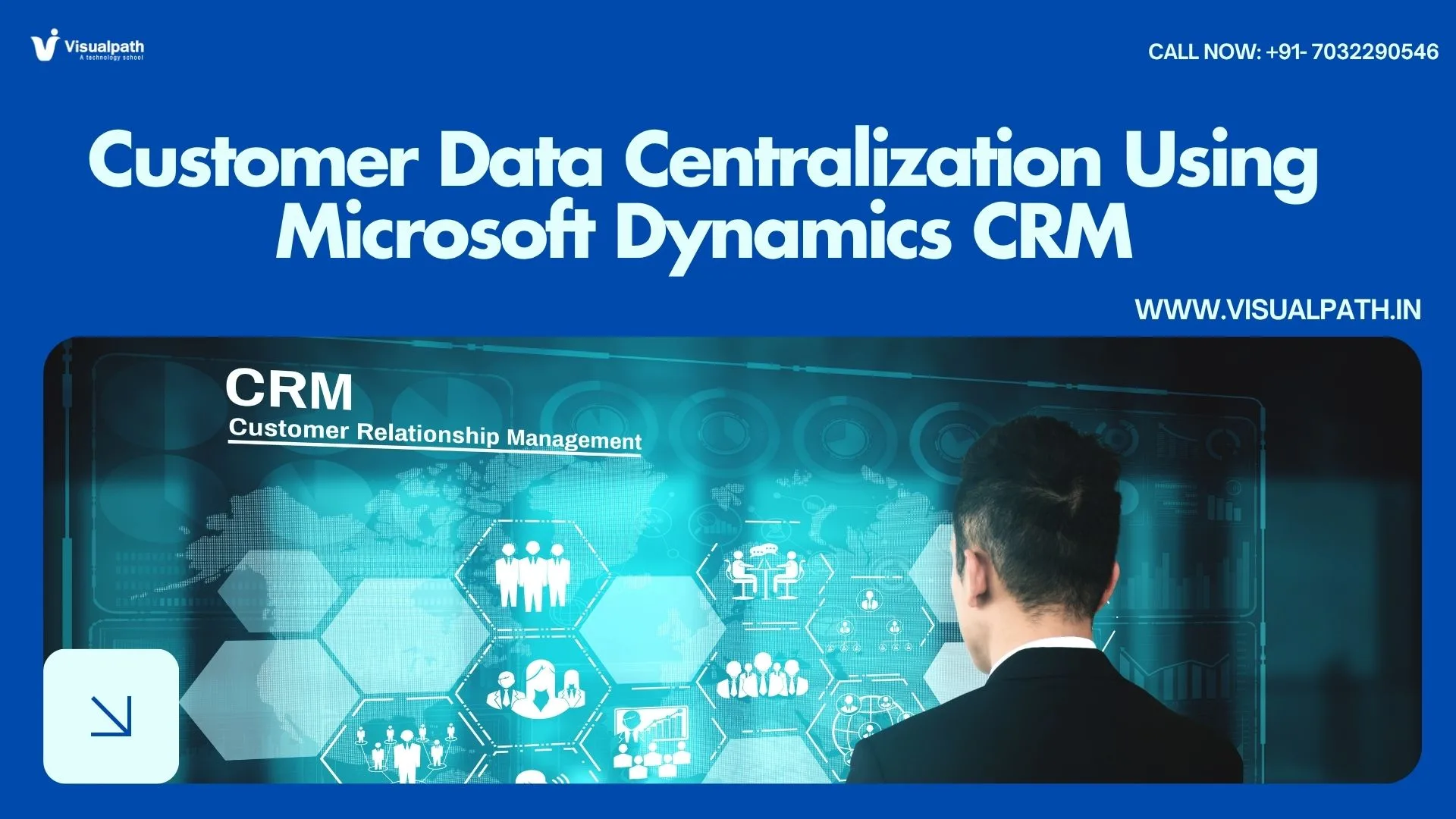
Customer data centralization is the process of keeping all client information in one secure spot. Many companies struggle because their data stays in different silos. One team might use spreadsheets while another uses email. This creates confusion and mistakes. Microsoft Dynamics CRM solves this problem by acting as a single source of truth. It allows every department to see the same facts at the same time.
The Importance of a Single Source of Truth
In the modern business world, data is everywhere. It comes from websites, phone calls, and social media. When this data is scattered, it is hard to use. A single source of truth means that everyone in the company looks at the same record. If a customer changes their phone number, it updates for everyone. This prevents calling the wrong number or sending double emails. Microsoft Dynamics CRM provides this unity. It connects different parts of a business so they work as one team.
How Microsoft Dynamics CRM Stores Data
This software uses a cloud-based system to hold information. It organizes data into entities like Accounts, Contacts, and Leads. Every piece of info has a specific home. You can track every interaction a customer has with your brand. This includes the first time they visited your site and the last time they bought something. Because it is part of the Microsoft family, it works well with Outlook and Excel. This makes it easy for beginners to start using it.
For those who want to learn deep technical skills, Microsoft Dynamics CRM Training is a great path. It teaches how to set up these entities correctly. If the setup is wrong, the data becomes messy. Good organization allows for fast searching. You can find a client record in seconds instead of minutes. This speed helps support teams solve problems faster
The Role of Customer Data Centralization in Business
When you achieve customer data centralization, you gain a full view of the buyer journey. This is often called a 360-degree view. It means you know what the customer likes before you even talk to them. You can see their past complaints and their favorite items. This makes the customer feel valued and understood. They do not have to repeat their story to every new employee they meet.
Steps to Import and Clean Your Data
Moving data into a new system is a big task. First, you must find all your old records. These might be in old databases or paper files. You must check for duplicates. If you have the same person listed twice, it ruins your reports. Cleaning data means fixing spelling errors and removing old info. Once the data is clean, you use the import tools in Dynamics CRM. This ensures the data lands in the right fields.
Many professionals choose Microsoft Dynamics CRM Online Training to master this migration. It is a technical skill that requires patience. You must map your old columns to the new CRM fields. If you map "Phone Number" to the "Address" field, it causes big problems. Testing a small batch of data first is a smart move. After the import, you should audit the records to ensure everything looks right. Consistent data entry rules help keep the system clean over time.
Security and Privacy in Data Management
Keeping data safe is a legal requirement in many places. Laws like GDPR require companies to protect personal info. Microsoft Dynamics CRM has strong security features built-in. You can control who sees what. For example, a salesperson might see contact info, but not credit card details. This is called role-based security. It prevents internal data leaks and keeps customer trust high.
Security also means having backups. If a computer breaks, the data is still safe in the cloud. Microsoft manages the servers, so you do not have to worry about hardware. However, users still need to follow best practices. This includes using strong passwords and two-factor authentication. Learning these security settings is part of Microsoft Dynamics 365 CRM Training. It ensures that the system is not just useful, but also safe for everyone involved.
How Training Improves Data Accuracy
A tool is only as good as the person using it. If employees do not know how to enter data, the CRM will fail. Training is the best way to prevent this. It teaches users the "why" behind the "how." When people understand why clean data matters, they take more care. They learn how to use automated tools to fill in details. This reduces the boring parts of their jobs.
If you are looking for a career change, Microsoft Dynamics 365 Training Courses offer a solid foundation. You can become a certified admin or a developer. These roles are in high demand because so many companies use Microsoft products. Training at places like Visualpath helps you gain hands-on experience.
Impact of Customer Data Centralization on Strategy
With all data in one place, leadership can look at the big picture. They can use AI tools to predict future trends. For example, the CRM might show that customers leave after six months. This allows the company to reach out at month five to keep them. This proactive strategy is much better than reacting to problems after they happen. It turns data into a tool for growth.
Furthermore, Dynamics CRM Online Training helps staff understand these reporting tools. You can build dashboards that show sales goals in real-time. This keeps everyone motivated and focused. You can see which regions are hitting their targets.
FAQ
Q. Why is data centralization important for small businesses?
A. It helps small teams stay organized. They can serve more people without getting confused. Visualpath teaches small business owners how to use these tools.
Q. Can Microsoft Dynamics CRM work with other apps?
A. Yes, it connects with Office 365 and many third-party tools. This allows data to flow freely between your email, your calendar, and your CRM system.
Q. How long does it take to learn Microsoft Dynamics CRM?
A. Most people can learn the basics in a few weeks. However, becoming an expert at Visualpath takes dedicated study and practice over a few months.
Q. Is my data safe in the cloud?
A. Yes, Microsoft uses world-class security to protect your files. They use encryption and regular backups to make sure your information is always available.
Q. What is the difference between CRM and ERP?
A. CRM focuses on customer relationships and sales. ERP handles back-office tasks like accounting. Both can be linked together for a full business view.
Conclusion
Centralizing your data is a vital step for any modern company. Microsoft Dynamics CRM provides the tools needed to collect, clean, and use information wisely. It stops data silos and helps teams work together. By using a single source of truth, you can improve customer service and increase sales. Investing in your skills through training is the best way to manage these systems. Whether you are a business owner or an employee, understanding these tools will help your career. Focus on keeping your data clean and your users well-trained for the best results.
Visualpath is a leading online training provider offering expert-led courses in Cloud, AI, DevOps, and enterprise technologies worldwide. With real-time projects and daily recorded sessions, Visualpath ensures hands-on learning for career growth.
Contact Call/WhatsApp: +91-7032290546
Visit: https://www.visualpath.in/online-microsoft-dynamics-crm.html