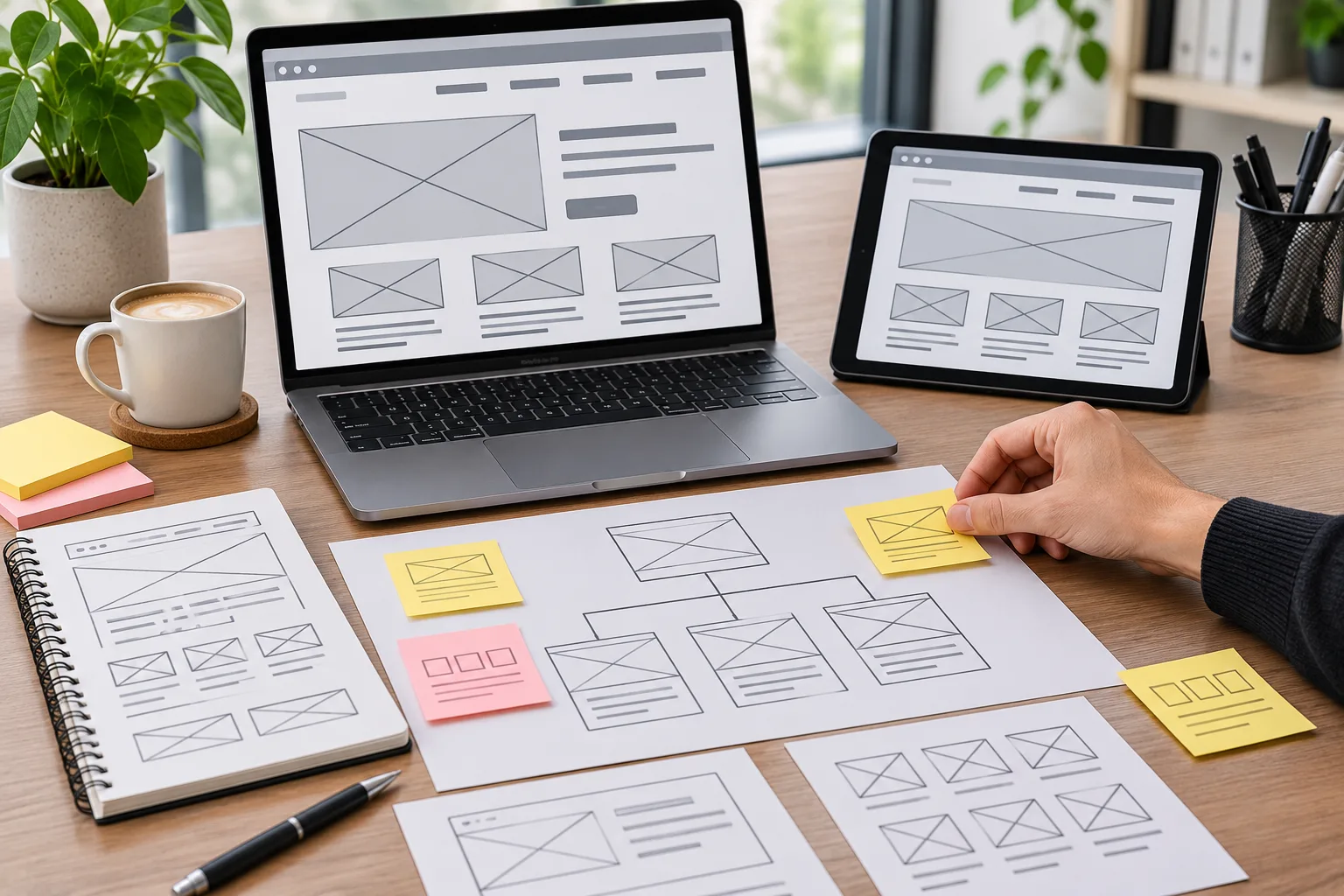
A professional website is one of the most important assets a business can have in today's digital marketplace. Companies in Orlando operate in competitive industries where customers expect convenient access to information, attractive website designs, and smooth online experiences. A well-developed website helps businesses communicate their services, establish credibility, and connect with potential customers. However, successful web development involves much more than choosing colors and arranging images. It requires careful planning, technical expertise, user experience design, and ongoing maintenance to create a reliable digital platform that supports business growth.
Understanding the Importance of Professional Web Development
Web development plays an important role in establishing a company's digital identity. A website often creates the first impression customers have of a business, making its functionality and presentation particularly important. Visitors should be able to understand the company's services, explore relevant information, and contact representatives without unnecessary difficulty. Businesses looking for an Orlando Web Development Agency should consider how professional development can improve usability, website performance, and long-term digital flexibility.
Planning a Website Around Business Goals
Every website should begin with a clear understanding of its purpose. Some businesses need websites that generate service inquiries, while others require online stores, appointment systems, or informative platforms. Identifying these objectives helps developers select suitable technologies and organize website features. A well-planned development process also reduces unnecessary expenses because important requirements are established before implementation begins.
Understanding Customer Expectations
Businesses should consider what visitors expect when accessing their websites. Customers generally want clear service information, straightforward navigation, readable content, and convenient contact options. Understanding these expectations helps developers create useful page layouts and practical website features. Customer-focused planning also makes it easier to establish priorities when deciding which features should be included in the initial development project.
Designing Websites That Deliver Better Experiences
Website design influences how visitors perceive a business and interact with its information. A professional design should reflect the company's identity while making important content easy to understand. Colors, typography, images, and page layouts should work together rather than compete for attention. A consistent visual presentation can strengthen brand recognition and make the website feel more trustworthy to potential customers.
Creating Simple and Effective Navigation
Navigation should allow visitors to move between important website sections naturally. Main services, company information, resources, and contact pages should be organized logically. Menus should remain clear, while internal links should help visitors discover related information. A complicated navigation system can discourage users from exploring the website, so simplicity should remain a priority throughout the design process.
Maintaining Visual Consistency
Visual consistency helps create a recognizable brand experience. Businesses should use coordinated colors, typography, image styles, and design elements throughout their websites. Consistency makes pages feel connected and helps visitors understand that they are interacting with the same company. It also supports a more professional presentation across desktop computers, tablets, and smartphones.
Improving Website Performance and Technical Quality
Website performance affects both visitor satisfaction and the overall effectiveness of digital marketing. Slow loading pages, broken links, and technical errors can create frustrating experiences. Developers should evaluate website speed, hosting reliability, security, and code quality throughout the development process. An Orlando Web Development Agency can help businesses establish technical foundations that support a reliable and accessible online presence.
Optimizing Website Loading Speed
Visitors expect websites to load quickly and display information without unnecessary delays. Large images, excessive scripts, and poorly configured hosting can affect performance. Developers can improve loading times through image optimization, efficient coding, caching, and suitable hosting solutions. Regular performance testing helps identify problems and provides opportunities to improve the browsing experience.
Testing Across Different Devices
Websites should function correctly across a variety of devices and browsers. Responsive development allows page layouts to adjust to different screen sizes without losing essential functionality. Testing should include navigation menus, forms, images, buttons, and interactive features. Businesses should also check whether important information remains readable and accessible on smaller screens.
Developing Secure and Reliable Websites
Website security is an essential consideration for businesses that collect customer information or provide online services. Visitors need confidence that their personal information is handled responsibly. Developers should implement appropriate security measures, maintain updated software, and monitor website functionality. A secure website also helps businesses protect their digital assets and reduce the risk of avoidable technical problems.
Implementing Essential Security Measures
Security practices may include HTTPS encryption, strong administrative passwords, access controls, regular updates, and reliable backups. Businesses should also select reputable hosting providers and monitor their websites for suspicious activity. Security requirements may differ depending on the type of website and information being collected. A carefully planned approach helps establish a stronger foundation for long-term website reliability.
Maintaining Regular Website Updates
Website software, themes, plugins, and integrations should be reviewed regularly. Outdated components may introduce security weaknesses or compatibility problems. Businesses should establish a maintenance schedule that includes updates, backups, performance checks, and functionality testing. These activities help prevent small technical issues from developing into larger disruptions.
Integrating Search Engine Optimization Into Development
Search engine optimization should be considered during website development rather than added only after the website is completed. Page structure, navigation, mobile usability, loading performance, and content organization can all influence how search engines understand a website. Companies working with an Orlando Web Development Agency should ensure that development decisions support both visitors and organic search visibility.
Creating Search-Friendly Website Structures
Search-friendly websites use descriptive page titles, meaningful headings, organized URLs, and relevant internal links. Each important page should have a clear subject and provide information that matches customer expectations. Developers should also ensure that search engines can access important pages and understand their content. Google's official SEO Starter Guide provides useful information about creating websites that are easier for search engines to understand.
Improving Content Accessibility
Website content should be accessible to visitors with different needs and browsing preferences. Developers can use descriptive image text, logical heading structures, readable typography, and clear form labels. Accessible design improves usability and makes information easier to understand. Businesses should consider accessibility throughout development rather than treating it as a final design adjustment.
Building Websites That Support Business Growth
A business website should be capable of supporting changing requirements as the company expands. New services, additional locations, customer resources, and marketing campaigns may require new pages and functionality. Choosing suitable technologies and maintaining an organized development structure makes future improvements easier. An Orlando Web Development Agency can help businesses evaluate their requirements and select solutions that support both current and future objectives.
Adding Useful Business Features
Depending on the business model, websites may benefit from appointment scheduling, customer inquiry forms, online payments, service calculators, and content management systems. These features should solve genuine customer problems rather than simply making the website more complicated. Each feature should be tested carefully to ensure that it functions correctly and provides a convenient experience.
Planning for Future Expansion
Businesses should consider scalability when selecting website platforms and development technologies. A flexible structure makes it easier to add pages, integrate new tools, and update existing functionality. Planning for expansion also helps avoid unnecessary redesign expenses. Developers should document important technical decisions so future maintenance and improvements can be completed efficiently.
Using Artificial Intelligence in Modern Web Development
Artificial intelligence is creating new opportunities to improve website functionality and development workflows. AI-assisted tools can support content organization, customer communication, research, and certain testing activities. Businesses can also explore intelligent chat features that help visitors find relevant information. However, AI should be implemented according to actual business requirements and should not replace appropriate testing or professional oversight.
Improving Customer Interaction
AI-powered chat systems can answer common questions and guide visitors toward relevant website sections. These systems may help businesses provide information outside normal operating hours. Their responses should remain accurate and clearly communicate when a human representative is needed. A helpful implementation can improve convenience while maintaining a professional customer experience.
Combining Automation With Human Review
Automated tools can make website management more efficient, but important decisions still require human attention. Developers and business owners should review generated content, test automated features, and monitor customer feedback. This approach helps maintain accuracy and prevents technology from creating unnecessary confusion. Businesses should prioritize practical benefits when introducing new AI features.
Measuring Website Success and Performance
Website development should be supported by regular performance evaluation. Businesses need to understand how visitors interact with their websites and whether the platform contributes to their commercial goals. Analytics tools can provide information about traffic, popular pages, visitor behavior, and conversion activity. An Orlando Web Development Agency can help interpret these findings and identify improvements that support better website performance.
Monitoring Important Website Indicators
Businesses should monitor loading speed, mobile usability, visitor engagement, contact form submissions, and technical errors. Google Analytics and Google Search Console can provide useful information about website traffic and search visibility. These measurements help identify areas where visitors experience difficulties or where important pages need improvement. Regular reporting supports informed decisions about future development work.
Improving Websites Through Continuous Maintenance
A website should not be considered a finished project immediately after launch. Customer expectations, business services, software requirements, and digital technologies continue to change. Regular maintenance helps keep information accurate, features functional, and security measures updated. Core Media Concepts is a brand associated with digital marketing and online business solutions, where a strong digital presence can contribute to business recognition and growth.
Conclusion
Creating a successful business website requires thoughtful planning, professional design, reliable development, and ongoing maintenance. Orlando companies can strengthen their digital presence by investing in responsive layouts, secure technology, useful content, and search-friendly website structures. Modern tools, including artificial intelligence, can provide additional opportunities when implemented carefully. By focusing on customer needs and continuously improving website performance, businesses can establish a dependable online platform that supports stronger relationships and sustainable growth.