A dining room should be a comfortable and welcoming space where people can enjoy meals, spend time with family and entertain friends. However, designing a functional dining area can be challenging, particularly when the available space needs to accommodate different activities. The furniture must look attractive, provide sufficient seating and remain practical for everyday use.
Two furniture choices that can make a significant difference are extendable dining tables and ceramic dining surfaces. Both offer distinctive benefits and can help homeowners create a dining environment that combines flexibility with contemporary design.
Why Flexible Dining Furniture Matters
Modern homes often need furniture that can adapt to changing requirements. A dining table might be used by two or three people during the week but need to accommodate a larger group during weekends and celebrations.
Purchasing a permanently oversized table is not always the best solution, particularly when floor space is limited. This is where extendable designs become useful.
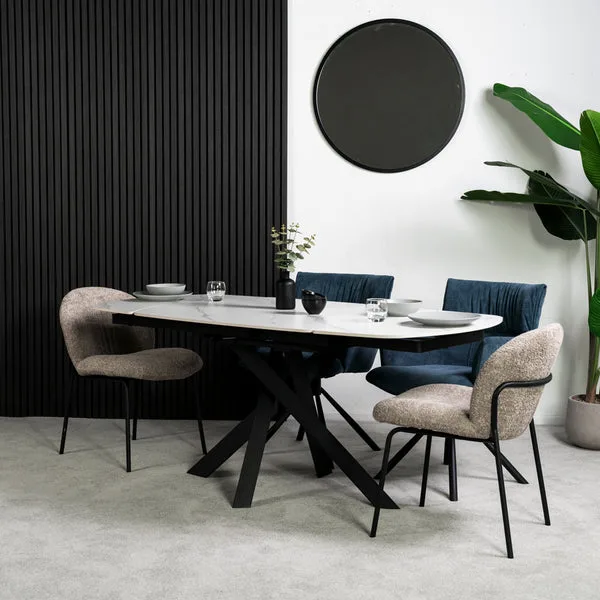
An extendable dining table and chairs arrangement allows homeowners to adjust the available seating according to the occasion. The table can remain compact during everyday meals and expand when additional guests arrive.
This flexibility makes extendable furniture suitable for apartments, family homes and open-plan living spaces. It also means homeowners do not necessarily have to dedicate additional floor space to a large dining table throughout the year.
Understanding Different Extendable Table Mechanisms
Not all extendable dining tables operate in the same way. Some designs use removable extension leaves that are stored separately when not required. Others incorporate butterfly mechanisms, where the additional section folds neatly beneath the main tabletop.
The right mechanism depends on how frequently the table will be extended and the amount of space available.
Before purchasing, consider the following factors:
- Extension capacity: Check how many additional people the extended table can accommodate.
- Ease of operation: The mechanism should be straightforward to operate without requiring excessive effort.
- Stability: Ensure the table remains stable in both its compact and extended configurations.
- Storage: Consider whether extension leaves need to be stored separately.
- Dimensions: Measure the room to ensure there is enough space when the table is fully extended.
It is also important to select chairs that fit comfortably beneath the table and do not interfere with its extension mechanism.
The Growing Appeal of Ceramic Dining Tables
Ceramic surfaces have become an interesting option for contemporary dining interiors. Their distinctive appearance can create a sophisticated focal point while offering practical advantages for everyday use.
Depending on the construction and finish, ceramic tabletops can provide good resistance to scratches, heat and common household stains. This makes them appealing to households that want an attractive surface without excessive maintenance.
A ceramic dining table can work particularly well in modern interiors featuring neutral colours, metallic details and minimalist furniture.
Available finishes may include marble-inspired patterns, subtle stone textures and contemporary solid colours. These designs make it easier to coordinate a dining table with different interior themes.
Homeowners exploring ceramic dining tables can compare different designs and consider how each finish will complement their existing furniture.
Combining Ceramic Surfaces with Extendable Designs
A particularly interesting approach is to combine the flexibility of an extendable table with the sophisticated appearance of a ceramic surface.
This creates a dining solution that addresses two important requirements: adaptability and visual appeal.
However, buyers should pay attention to the construction of the table. The extension mechanism, frame and supporting structure should be designed to work effectively with the weight and characteristics of the tabletop material.
Check whether the ceramic surface continues across the extension section or whether the additional leaf uses a different material. Understanding these details helps avoid surprises after delivery.
The table's overall proportions also matter. A visually heavy tabletop may look more balanced with a simple frame, while a lighter design can work well with contemporary metal legs.
Selecting the Right Chairs
Dining chairs influence both comfort and the overall appearance of the room. Even the most attractive dining table may not provide a satisfying experience if the seating is uncomfortable.
When choosing chairs, consider seat height, back support, upholstery and overall dimensions.
Upholstered chairs can introduce softness and comfort into a room dominated by hard surfaces. Wooden chairs create a more traditional appearance, while metal-framed designs may complement contemporary interiors.
Colour coordination is another important consideration. Neutral upholstery can balance a patterned ceramic tabletop, while darker chairs can create contrast against lighter furniture.
It is not always necessary to purchase matching chairs. Mixing complementary designs can produce an interesting interior, provided the proportions and finishes work together.
Making the Most of a Smaller Dining Room
In smaller homes, every piece of furniture should serve a clear purpose. Extendable dining tables are particularly valuable because they provide additional capacity without permanently occupying a large amount of space.
Positioning the table near a wall can help preserve circulation space when it is not extended. However, ensure that it can be moved or accessed easily when additional seating is required.
Wall-mounted shelves, compact sideboards and carefully selected lighting can provide additional functionality without making the room feel crowded.
Mirrors are another useful design feature. When positioned thoughtfully, they can reflect natural light and create the impression of a more spacious dining area.
Maintenance and Everyday Care
Different tabletop materials require different care routines. Ceramic surfaces are generally easy to maintain, but buyers should follow the manufacturer's recommendations.
Use suitable cleaning products and avoid abrasive materials that could damage decorative finishes or surrounding components. Wipe spills promptly and use protective mats when serving hot dishes, especially if the manufacturer recommends additional protection.
Extendable mechanisms should also be kept clean and operated according to the product instructions. Avoid forcing the mechanism if it becomes difficult to move.
For upholstered chairs, regular vacuuming and prompt treatment of spills can help maintain their appearance.
Lighting and Accessories Complete the Look
Once the main furniture has been selected, lighting and accessories help establish the dining room's atmosphere.
A pendant light above the table creates a visual focal point. The size and height should be appropriate for the table dimensions and ceiling height.
Simple centrepieces, indoor plants and decorative bowls can add character without making the dining surface difficult to use.
For a contemporary look, combine ceramic surfaces with neutral wall colours, subtle metallic finishes and uncluttered accessories.
Final Thoughts
A stylish dining room should offer more than visual appeal. It should adapt to everyday routines, accommodate guests and remain comfortable over time.
Extendable dining tables provide flexibility, while ceramic surfaces introduce a distinctive contemporary aesthetic. By considering table mechanisms, chair comfort, room dimensions and maintenance requirements, homeowners can create a dining space that is both practical and visually appealing.
The most successful design is one that brings together functionality, quality materials and a layout suited to the household's everyday needs.