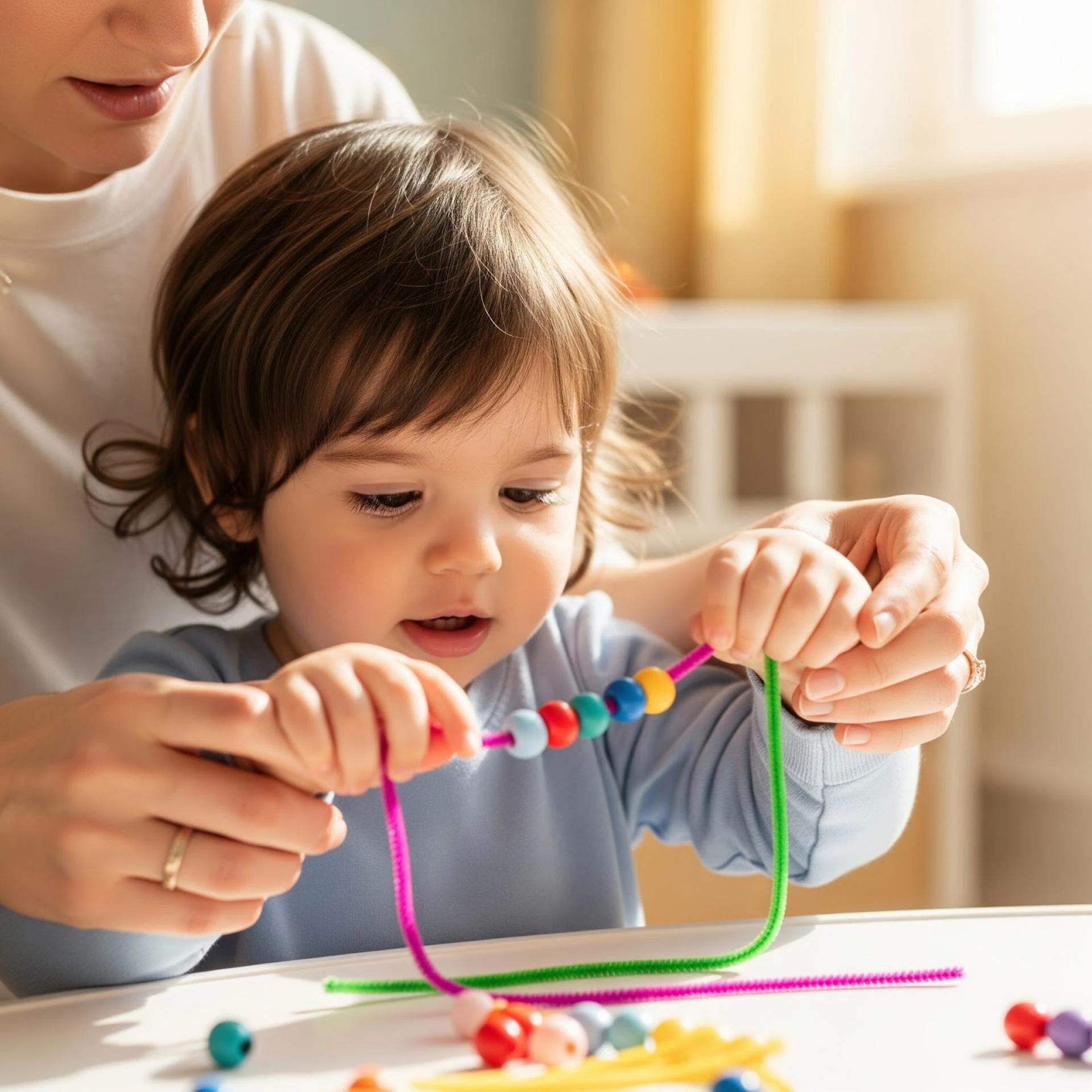
Finding the right rhythm at home is one of the most meaningful aspects of parenting. Montessori-inspired routines offer a perfect balance between structure and freedom — providing enough predictability to make children feel secure, while giving them space to explore and discover.
Why Structure Supports Early Learning
Children thrive when they know what to expect. Routine offers a sense of safety, allowing them to focus their energy on exploring, creating, and problem-solving.
Morning activities in a Montessori home often include calm, purposeful tasks: pouring water, sorting beads, or preparing snacks. These seemingly simple actions cultivate independence, coordination, and focus.
Parents who want to explore how thoughtfully designed routines can transform daily life into learning opportunities can find insight in this deep dive into child-led exploration. It shows how intentional environments nurture both creativity and self-confidence.
The Importance of Flexibility
While structure gives stability, flexibility allows curiosity to flourish. If a child becomes deeply absorbed in a puzzle, a Montessori approach encourages adults to pause and let that focus grow.
This balance ensures that learning is motivated by interest, not pressure. Families often describe the difference as transformative — their children become more independent, confident, and engaged. You can read more about ways parents inspire playful learning while maintaining gentle boundaries here: real-life examples of nurturing learning through play.
Designing a Day That Flows Naturally
A Montessori routine is like a flowing story, not a rigid schedule.
Morning: Practical life activities — setting the table, watering plants, preparing snacks.
Afternoon: Focused play and creative exploration — blocks, sensory bins, or drawing.
Evening: Reflection and calm — tidying, reading, or quiet conversation.
Each part of the day serves a purpose, yet there’s room for spontaneous discovery. For inspiration, check out how families integrate mindful routines into everyday learning, showing how flexibility and structure coexist beautifully.
Observation: The Silent Teacher
Observation is central to Montessori parenting. Instead of rushing to direct or correct, parents watch — noting interests, energy, and engagement.
Through careful observation, adults learn when to intervene and when to step back. Patterns emerge: a fascination with colors, an interest in building, or a preference for sensory exploration.
Reading reflections on creative approaches to mindful learning and child-led exploration can be inspiring, such as those shared in this educational and storytelling portfolio. Observation teaches us patience, respect, and how to honor the child’s natural learning path.
Balancing Independence with Connection
Montessori routines encourage children to act independently, but always within the safety of connection. They choose activities, manage their time, and take responsibility for tidying up — while knowing support is available when needed.
This balance builds confidence, problem-solving skills, and emotional resilience. Parents often find that their own patience and presence grow alongside their child’s independence, which is reflected in thoughtful discussions and community insights like these shared parenting experiences.
Routines That Evolve With the Child
No routine remains static. As children grow, interests shift, and the environment should evolve accordingly. New materials, modified tasks, and seasonal changes allow the daily flow to stay fresh and engaging.
Flexible routines teach children adaptability and help parents respond to changing needs while maintaining the rhythm that children rely on. This evolution is part of the beauty of Montessori living: learning is continuous, organic, and joyful.
Closing Thoughts: The Heart of Montessori at Home
Creating a structured yet flexible Montessori routine is about more than schedules; it’s about presence, observation, and gentle guidance. Through thoughtful planning, purposeful play, and open-ended discovery, children develop independence, focus, and a love of learning.
Every poured cup, stacked block, or carefully sorted bead becomes an opportunity for growth. With Kukoo Montessori, families can weave intention and joy into every day — nurturing children who are confident, creative, and deeply engaged with the world around them.