
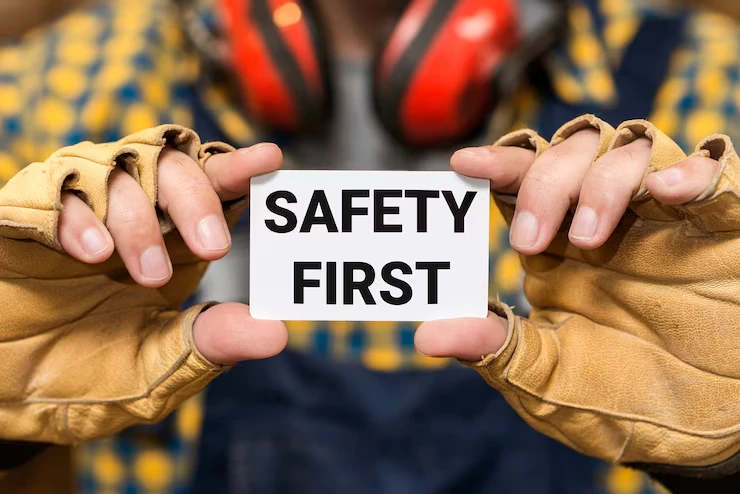
Running a business comes with many responsibilities. Keeping your team safe should always come first. People are more confident at work when safety is part of the company's values. Building a safety first culture takes time and effort, but it creates a better workplace for everyone.
This blog shares steps business owners can take to build a safer environment where employees feel supported, heard, and protected.
Understanding a Safety-First Culture
Safety is not just a topic for crises in a safety first culture; it is a regular part of daily chores, planning and conversations. Employees understand that staying safe is part of their job, and leaders take the lead in setting the right example.
People who think about safety during the day are less likely to get hurt and can help others do the same. Everyone looks out for each other, which builds a strong safety culture.
You may wonder, what is the first step in creating a safety culture? The answer is leadership. It starts when business owners and managers take responsibility for safety and encourage everyone else to follow.
Step 1: Show Leadership Through Action
Safety first culture begins with leaders who drive safe actions. Safety rules may not be followed by workers if owners and managers don't do so. But when leaders wear their safety gear, follow protocols and talk about safety often, employees take it more seriously.
Create a habit of starting meetings with a quick safety update. Wear the right gear and walk around job places. And finally, correct acts that are unsafe when you see them.
Step 2: Define Employee Safety Responsibilities
Everyone should clearly understand what they need to do. Clear employee safety responsibilities reduce confusion and make everyone more accountable.
Examples of safety responsibilities include:
- Wearing proper protective gear
- Following safe work procedures
- Reporting hazards quickly
- Supporting coworkers in staying safe
When everyone understands their role in workplace safety, a strong safety culture starts to grow naturally. Workers know what to do and feel more confident doing it.
Step 3: Offer Regular Safety Training
Training is the foundation of any safety first culture. It’s not enough to hand out a manual. You need to explain the risks, provide hands-on training, and repeat it regularly.
Each new employee should be given a full tour covering all safety rules and procedures. But training shouldn’t stop there. Host monthly safety talks or short refresher sessions so people stay alert. Safety rules may change over time, and employees need updates to keep up.
Training also supports employee safety responsibilities by giving workers the knowledge they need to stay safe.
Step 4: Provide Safety Gear for Construction Workers
In jobs where physical labor is involved, wearing the right gear is non-negotiable. Business owners must supply and maintain proper safety gear for construction workers to help prevent injuries.
This includes items like:
- Head Protection Helmet
- Steel-toe boots
- Gloves
- Eye protection
- Reflective clothing
Teach workers why each item matters. Replace worn or broken gear quickly. When workers understand the importance of safety gear for construction workers, they’ll be more likely to wear it every day.
Step 5: Encourage Two-Way Communication
Open communication is another important part of a safety first culture. Team members need to feel safe sharing any risk or unsafe action they notice. When people stay quiet out of fear, even minor problems can lead to big trouble.
Create safe spaces for honest conversations. Encourage feedback during meetings. Make it clear that reporting issues is a sign of responsibility not a reason for punishment.
When employees share their thoughts, you can improve safety before problems happen. This helps build a strong safety culture where people support each other.
Step 6: Involve Employees in Safety Planning
Workers usually follow rules better when they’ve helped shape them. Involve your team when updating safety policies or setting new goals. Ask for feedback after near-misses or incidents. Let employees help identify risks.
This strengthens employee safety responsibilities by giving workers a say in how things are done. It also helps uncover potential dangers that managers may not see from behind a desk.
Working together creates a shared sense of responsibility and encourages safer habits.
Step 7: Monitor Progress and Set Goals
Like other parts of your business, safety can be measured and improved. Set clear goals such as reducing injury rates or increasing training participation.
Track how well your safety plans are working. Use reports, surveys, or feedback from employees. When things are working fine, it’s okay to keep them as they are. Stick to what works. When something isn’t, adjust it.
Recognizing improvements, even small ones, builds motivation. It also shows that safety efforts are ongoing, not a one-time effort.
Step 8: Celebrate Safe Behavior
When employees make safe choices, recognize them. A simple thank-you, a shoutout in a team meeting, or a small reward can go a long way. This kind of positive reinforcement supports a strong safety culture.
Recognition doesn’t need to be formal. A manager thanking a worker for reporting a hazard can have a big impact. It shows that safety is valued and encourages others to do the same.
Step 9: Understand the Benefits of Safety Culture
Building a safe workplace is not just about avoiding injuries. One of the big benefits of safety culture is that it improves how people feel at work. When employees feel safe, they’re more focused, productive, and loyal.
Other benefits of safety culture include:
- Lower insurance costs
- Less downtime from accidents
- Better team communication
- Stronger company reputation
Companies that value safety often find it easier to attract skilled workers. They also spend less time dealing with legal or financial problems caused by accidents.
Step 10: Stay Committed
Even with a strong plan, you need to keep safety on your radar. A safety first culture is something that needs attention every day. Keep updating your training. Review reports. Walk the job sites.
Make sure your safety policies grow as your business changes. If you add new equipment or job roles, update your safety plans too.
Most importantly, remind your team why safety matters. It’s not just about rules it’s about people going home in one piece.
Moving Forward
You can’t rush the process of creating a strong safety culture. It takes leadership, time, and involvement from everyone in the workplace. But the result is worth it.
When employees understand their employee safety responsibilities, wear their safety gear for construction workers, and speak up when they see something wrong, your company becomes a safer place to work.
A safety first culture lives in daily actions, not just posters or plans. It’s about actions, habits, and care for your team. Start with small steps, and keep building. Every safe day is a win for your workers and your business.