
Introduction
Electrostatic discharge (ESD) is a major concern in industries that manufacture, assemble, test, and repair sensitive electronic equipment. Static electricity can accumulate on people, surfaces, and equipment during everyday activities. When this electrical charge is suddenly released, it can damage delicate electronic components, affect product performance, and lead to unexpected equipment failures.
For businesses handling circuit boards, processors, semiconductor devices, and other sensitive electronics, implementing proper static-control measures is essential. A well-designed ESD-protected environment helps minimize these risks while supporting productivity and product quality. Two important elements of an effective electrostatic protection system are anti static flooring and an ESD bench. Together, they help create a controlled workspace where electronic components can be handled more safely.
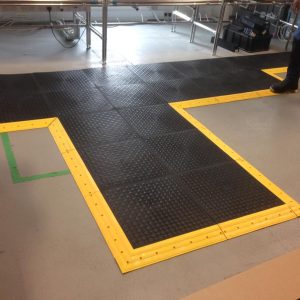
Understanding the Importance of Anti-Static Flooring
Anti-static flooring is specially designed to help control the accumulation and movement of electrostatic charges. Unlike conventional flooring materials, ESD flooring incorporates electrical properties that help dissipate static charges in a controlled manner when installed and grounded correctly.
Static electricity can develop when employees walk across ordinary flooring, move materials, or interact with different surfaces. In electronics manufacturing environments, these activities can create electrostatic risks for sensitive components.
Key Benefits of Anti-Static Flooring
Installing suitable anti-static flooring offers several advantages:
- Static charge control: Helps reduce the accumulation of electrostatic charges on floor surfaces.
- Component protection: Supports a safer environment for handling electrostatic-sensitive electronic devices.
- Workplace safety: Helps establish controlled conditions in electronics manufacturing and testing areas.
- Durability: Many ESD flooring solutions are designed to withstand regular industrial traffic.
- Easy maintenance: Suitable products can be maintained using manufacturer-approved cleaning procedures.
- Wide applications: Appropriate for electronics factories, laboratories, cleanrooms, assembly units, and repair facilities.
Common Applications of Anti-Static Flooring
Different industries require static-control flooring depending on their operations and equipment sensitivity
Some common applications include:
- Electronics manufacturing and assembly facilities.
- Semiconductor production environments.
- Computer hardware repair centers.
- Research and development laboratories.
- Pharmaceutical and specialized production areas.
- Testing and inspection departments.
Selecting the right flooring solution helps businesses maintain consistent electrostatic control across their facilities.
What Is an ESD Bench?
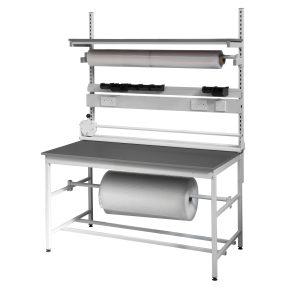
An ESD bench is a specialized workstation designed for handling electronic components that are sensitive to electrostatic discharge. It provides a controlled working surface and appropriate grounding provisions to help prevent static-related damage during assembly, testing, inspection, and maintenance.
Unlike conventional worktables, an ESD workstation incorporates materials and accessories specifically selected for electrostatic protection.
Important Features of an ESD Bench
A quality ESD workstation may include the following features:
- Static-dissipative work surface: Helps manage electrostatic charges during component handling.
- Grounding connections: Provides connection points for compatible grounding equipment.
- Durable construction: Supports regular use in industrial and technical environments.
- Ergonomic design: Helps technicians work comfortably during extended operations.
- Organized storage: Shelves and accessories provide convenient access to tools and electronic components.
- ESD-compatible accessories: May include wrist strap connections, grounding cords, and protective work mats.
These features help create a suitable workstation for professionals who regularly handle sensitive electronic equipment.
How Anti-Static Flooring and an ESD Bench Work Together
Effective electrostatic protection requires a coordinated approach rather than relying on a single product.
Anti-static flooring helps manage static charges across the working environment, while an ESD bench provides a controlled surface for handling sensitive components.
For example, in an electronics assembly facility, employees may work at grounded ESD benches while standing on appropriately installed and grounded ESD flooring. When used with compatible footwear and personal grounding equipment, this arrangement helps maintain a controlled electrostatic environment.
The combination offers several advantages:
- Reduces static-related risks during electronic assembly.
- Supports safer movement around sensitive equipment.
- Creates organized and controlled workstations.
- Helps protect valuable electronic components.
- Supports consistent ESD procedures throughout the facility.
Proper installation, grounding, and verification are essential to ensure that both systems perform as intended.
Choosing the Right Anti-Static Flooring
Selecting appropriate flooring requires an understanding of the facility's operational requirements.
Consider these factors before making a purchase:
- Electrical resistance: Check that the flooring meets the electrical performance requirements of the ESD control program.
- Material quality: Select durable materials suitable for the expected workplace conditions.
- Installation requirements: Ensure that the flooring can be installed and grounded correctly.
- Foot traffic: Consider the number of employees and equipment movements in the area.
- Maintenance: Review cleaning requirements and long-term maintenance costs.
- Safety requirements: Evaluate slip resistance and suitability for the working environment.
Professional installation and periodic testing help maintain reliable flooring performance.
Tips for Selecting the Best ESD Bench
Choosing the right workstation can improve both workplace organization and electrostatic protection.
Look for the following features:
- Appropriate workstation dimensions for daily operations.
- A verified static-dissipative working surface.
- Reliable grounding connections.
- Sufficient load-bearing capacity.
- Comfortable working height and ergonomic design.
- Compatibility with ESD mats and wrist straps.
- Additional shelves and storage accessories when required.
Businesses should also consider the type of electronic components being handled and the specific requirements of their ESD control program.
Best Practices for Maintaining an ESD-Protected Workspace
Even high-quality ESD equipment requires regular inspection and maintenance.
Organizations should follow these practices:
- Inspect flooring for cracks, damage, and excessive wear.
- Check workstation grounding connections regularly.
- Test electrical resistance according to established procedures.
- Use compatible ESD footwear and wrist straps.
- Clean work surfaces with approved ESD-compatible products.
- Train employees in proper component handling techniques.
- Keep workstations organized and free from unsuitable materials.
These measures help maintain consistent protection and improve the reliability of electronic handling operations.
Conclusion
Creating an effective electrostatic-safe workspace is essential for businesses that manufacture, assemble, and maintain sensitive electronic equipment. Anti static flooring helps control static electricity throughout the facility, while an ESD bench provides a suitable workstation for safely handling electronic components.
By combining appropriate flooring, grounded workstations, compatible protective accessories, and regular maintenance, organizations can reduce electrostatic risks and improve operational efficiency. Investing in reliable ESD protection solutions is a practical step toward maintaining product quality, protecting valuable components, and creating a safer electronics working environment.