Photo source: https://www.pexels.com/photo/woman-wears-yellow-hard-hat-holding-vehicle-part-1108101/
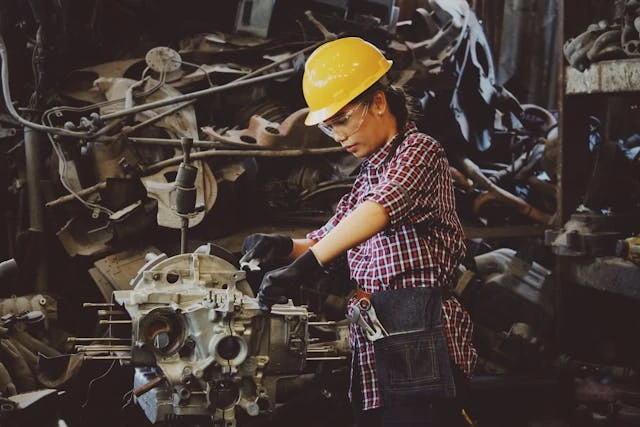
Safety requirements in industrial workplaces need to extend beyond official regulations. Safety should become instinctive. A genuine safety culture emerges through collective self-protection and the protection of others by every worker. A workplace environment of this nature requires deliberate planning and management. Creating safe environments requires deliberate action, combined with genuine care and a thorough understanding of security needs.
Building Trust Through Open Communication
Trust serves as the foundation for creating a safe workplace environment. Workers need to have faith in their leaders and their fellow employees. Workers should feel comfortable enough to report observed problems. The practice of concealing mistakes due to fear can lead to more significant issues. Leaders must actively listen to employees who express their concerns. All minor concerns deserve immediate attention. Trust develops through continuous dialogue between people.
Good communication supports this trust. Safety briefings conducted before shifts serve to refresh workers about potential risks. All signs and labels must present information in a straightforward manner that is easy to comprehend. Every change on the worksite requires immediate notification to all personnel. Fast communication can save lives.
Making Training Real and Memorable
Training plays a big role. Teaching safety should not be a boring chore. It should be a regular part of work life, not just a box to check. Hands-on training helps people remember better. Stories of past incidents can make lessons feel real. Simple drills can make the right responses second nature.
When workers understand the rationale behind a rule, they are more likely to follow it. Regular refreshers, real-life examples, and active participation all create a deeper understanding. Safety is remembered more effectively when it feels genuine, not just words on paper. Involving employees in training builds ownership, boosts confidence, and strengthens team awareness.
Investing in the Right Equipment
Equipment matters, too. Tools and machinery must be properly maintained. Safety guards, emergency stops, and alarms should always be working. Small defects can quickly turn into major hazards. Routine maintenance helps catch issues early before they escalate into serious incidents.
In certain environments, particularly when flammable gases or dust are present, using intrinsically safe lights for hazardous locations can be a critical preventative measure against fires and explosions. Choosing the right tools for the job, including appropriate lighting, shows that management values safety over shortcuts. Regular inspections and prompt repairs prevent small problems from escalating into dangerous situations. Well-kept equipment sends a clear message: safety is a top priority and everyone’s responsibility.
Leading by Example at Every Level
Leadership sets the tone. If supervisors ignore safety rules, workers are likely to follow suit. On the other hand, if leaders always wear their gear, double-check equipment, and ask about safety daily, workers will take notice. Actions speak louder than words. Consistent behavior builds trust and accountability.
Praise and recognition for safe behavior also go a long way. People want to know that their efforts are seen and valued. Leadership should also involve workers when creating safety policies. After all, they are the ones closest to the real risks on the ground. Their insights can prevent accidents before they happen.
Caring for Workers Beyond the Worksite
Fatigue is a hidden danger. Long shifts, overtime, and physical labor can take a toll on people. When someone is tired, mistakes are more likely to occur. Scheduling sufficient rest and encouraging workers to speak up if they feel exhausted can help prevent accidents before they occur.
Mental health also plays a role. Stress, anxiety, and personal struggles affect focus and decision-making. Offering support services or simply fostering a kind, understanding environment can make a difference. Workers who feel cared for will work more carefully, not just for themselves but for the whole team.
Celebrating successes, like a month without accidents, keeps the spirit strong. Recognition reminds everyone that their efforts matter and helps maintain high motivation.
Conclusion
Creating a safe culture does not happen overnight. It grows slowly with every meeting, every conversation, and every action. Mistakes will happen along the way. What matters is how the team responds. Learning from every slip and coming back stronger is the real goal.
At its heart, safety is about respect—respect for life, health, and the future. When safety becomes an integral part of daily work, it becomes invisible yet powerful. A workplace like that does more than avoid accidents. It thrives.