
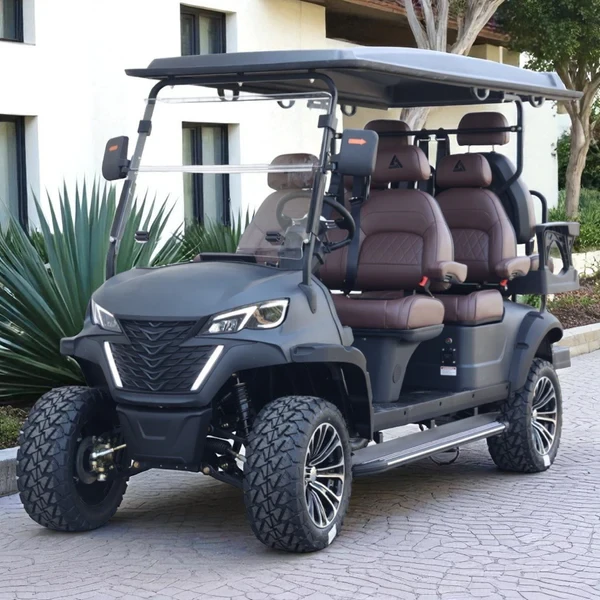
The allure of a personal outdoor sanctuary is undeniable. custom golf carts A well-designed backyard isn't just a patch of grass; it's an extension of your home, a place for relaxation, entertainment, and connection with nature. Whether you dream of a vibrant garden, a cozy fire pit area, or a functional outdoor kitchen, thoughtful planning is the cornerstone of achieving your ideal backyard escape. This guide will walk you through the essential steps and considerations for creating a space that perfectly reflects your lifestyle and enhances your home's value.
Understanding Your Vision and Space
Before diving into design elements, take time to envision how you want to use your backyard. This foundational step is crucial for making informed decisions and avoiding costly mistakes. Start by asking yourself a series of questions:
- What is the primary purpose of your backyard? Do you want a space for entertaining friends and family, a quiet retreat for reading, a play area for children, or a productive vegetable garden? Perhaps a combination of these? Identifying your main priorities will help shape the design.
- Who will be using the space? Consider the needs of everyone in your household, including children and pets. Safety, accessibility, and durability will be key factors.
- What is your aesthetic preference? Do you lean towards modern and minimalist, rustic and natural, or classic and formal? Gathering inspiration from magazines, Pinterest, and online galleries can help you define your style.
- What are the existing conditions of your backyard? Observe sunlight patterns throughout the day and year, identify areas of shade, assess soil quality, and note any existing structures, trees, or landscaping features. Understanding these elements will inform plant choices, seating arrangements, and overall layout.
- What is your budget? Be realistic about how much you're willing to invest. A clear budget will help you prioritize features and make appropriate material selections. Remember that backyard design can be a phased project, allowing you to implement elements over time.
Once you have a clear understanding of your vision and the characteristics of your space, you can begin to sketch out initial ideas. Don't be afraid to experiment with different layouts and concepts.
Key Elements of Backyard Design
A successful backyard design integrates various elements to create a cohesive and functional space. Thinking about these components individually, then how they interact, will lead to a more harmonious outcome.
- Hardscaping: This refers to the non-living elements of your backyard. Patios, decks, walkways, retaining walls, and pergolas fall under this category. Hardscaping provides structure, defines different zones, and offers durable surfaces for various activities. When selecting materials, consider their aesthetic appeal, durability, maintenance requirements, and how they complement your home's architecture. For instance, natural stone pavers might suit a rustic design, while sleek concrete slabs could enhance a modern aesthetic.
- Softscaping: This encompasses all the living elements – plants, trees, shrubs, and grass. Softscaping adds beauty, texture, color, and life to your backyard. When choosing plants, consider your local climate zone, sunlight availability in different areas of your yard, and the mature size of the plants. Opting for native plants can reduce water consumption and support local wildlife. Think about creating layers with different plant heights and textures to add visual interest.
- Lighting: Outdoor lighting is often overlooked but plays a crucial role in extending the usability of your backyard into the evening hours and enhancing its ambiance. Consider a combination of functional lighting (path lights, task lighting for grilling areas), accent lighting (uplighting for trees, spotlights for architectural features), and ambient lighting (string lights, lanterns).
- Furniture and Accessories: Comfortable and weather-resistant outdoor furniture is essential for enjoying your space. Choose pieces that fit the scale of your backyard and complement your chosen style. Accessories like outdoor rugs, cushions, planters, and decorative items can add personality and comfort, making the space feel more inviting and complete.
- Water Features (Optional): From a simple bird bath to an elaborate koi pond or a soothing fountain, water features can add a sensory dimension to your backyard, providing relaxing sounds and attracting wildlife.
Creating Functional Zones and Flow
Effective backyard design often involves creating distinct "zones" for different activities, much like rooms in a house. These zones can be subtly defined by changes in hardscaping materials, plant groupings, or the placement of furniture.
Consider creating zones for:
- Dining and Entertaining: A patio or deck with a dining table and chairs, potentially near an outdoor kitchen or grill.
- Relaxation: A secluded corner with comfortable seating, perhaps a hammock or a fire pit area for cozy evenings.
- Gardening: Raised beds for vegetables, a dedicated flower garden, or a potting bench.
- Play Area: A designated space for children's swings, sandpits, or open lawn for games.
The key is to ensure a natural flow between these zones. Think about how people will move through the space. Pathways should be clear and inviting, guiding visitors from one area to the next. Avoid overcrowding the space, allowing for ample room to move and breathe.
By carefully considering your vision, understanding the key design elements, and thoughtfully planning your zones, you can transform your backyard into a beautiful and functional outdoor oasis that you'll cherish for years to come.
Resource Box:
Backyard Escapism specializes in creating personalized outdoor living spaces that blend aesthetics with functionality. From innovative hardscaping solutions to lush garden designs, our team is dedicated to helping you achieve your dream backyard. Visit BackyardEscapism.com to explore our portfolio and learn how we can help transform your outdoor area into a true escape.