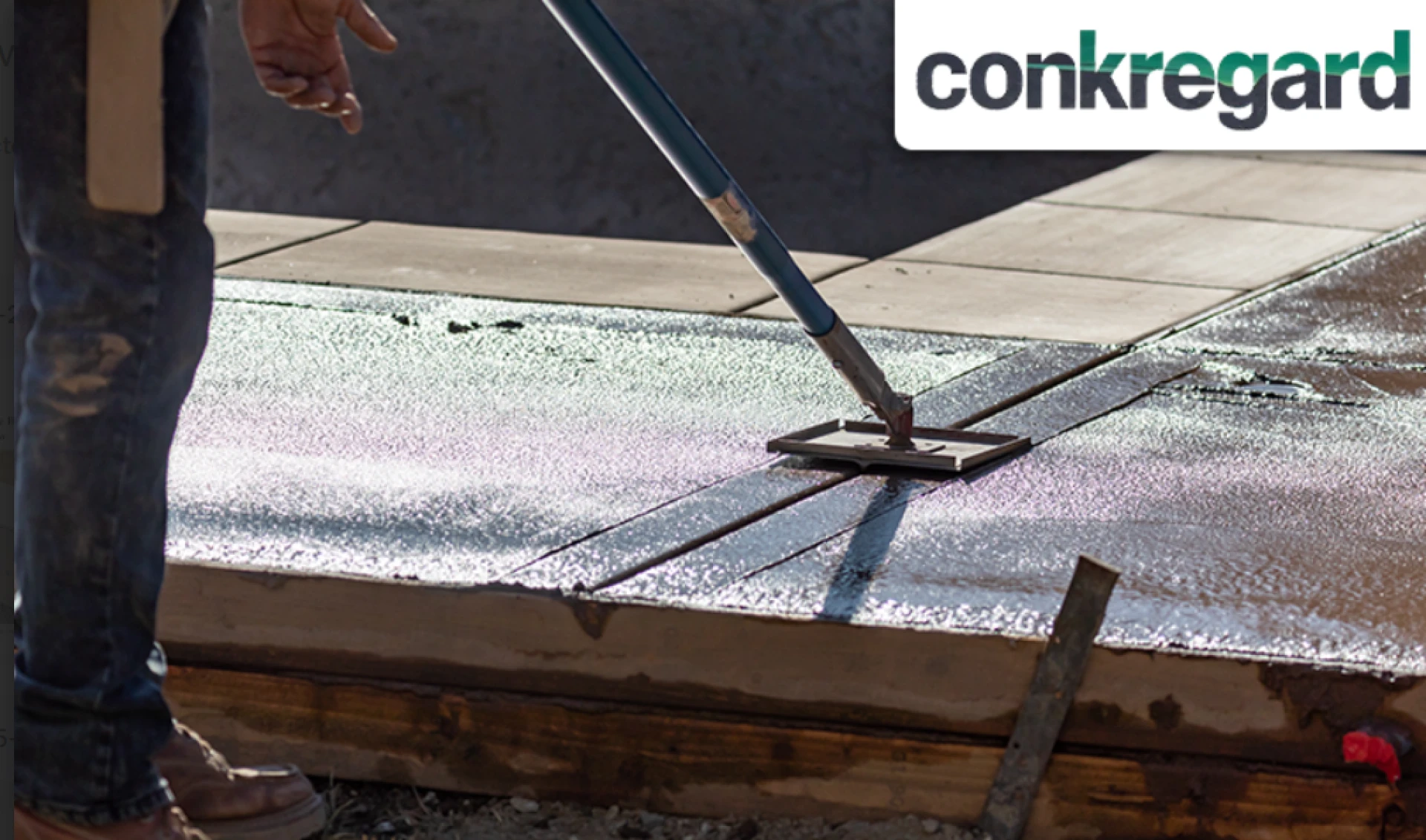
Cracks in concrete may appear as minor blemishes, but beneath the surface lies a ticking time bomb of structural damage, escalating repair costs, and safety hazards. While many property owners and builders underestimate their impact, science reveals that even microscopic cracks can jeopardize the longevity of any concrete structure.
But what if concrete could heal itself like living tissue?
Welcome to the cutting-edge world of self-healing concrete, a revolutionary innovation that’s transforming construction durability — and why you should consider it today.
The Science of Concrete Cracks: Why They Matter More Than You Realize
Concrete is a composite material primarily made of cement, water, and aggregates. Its strength in compression is impressive, but under tension, it is vulnerable to cracking. These cracks may begin as tiny microfractures invisible to the naked eye, caused by:
- Shrinkage during curing
- Thermal expansion and contraction
- Mechanical loads and vibrations
- Chemical reactions like carbonation and chloride ingress
Once cracks form, they become conduits for water and aggressive agents, such as chlorides and sulfates, accelerating corrosion of the embedded steel reinforcement. This chemical corrosion expands the steel, causing internal pressure that leads to further cracking and spalling—significantly compromising the structural integrity.
This degradation process can cut the life expectancy of concrete structures by decades if left unchecked, leading to costly repairs, safety concerns, and operational downtime.
The Breakthrough: How Self-Healing Concrete Works
Self-healing concrete incorporates specially engineered materials that activate when cracks develop and water penetrates. Some common scientific approaches include:
- Encapsulated healing agents: Microcapsules embedded within the concrete matrix rupture upon cracking, releasing adhesives or mineral precursors that fill and seal the crack.
- Bacterial healing: Certain bacteria embedded in the concrete produce calcite (a natural mineral) when exposed to moisture and oxygen, effectively “growing” new concrete inside the cracks.
- Shape-memory polymers: Innovative polymers that respond to stimuli like temperature changes to close cracks automatically.
These mechanisms help restore the concrete’s physical and chemical properties, preventing ingress of harmful substances and maintaining durability without human intervention.
Why You Should Buy Self Healing Concrete in Tamil Nadu
Tamil Nadu’s climate, with its seasonal humidity and heat, can accelerate crack formation and corrosion in concrete. Choosing to buy self healing concrete in Tamil Nadu is a strategic choice to ensure your structures withstand these environmental stresses.
Conkregard specializes in self-healing concrete formulations tailored for local conditions, ensuring:
- Automatic crack repair to prevent corrosion
- Increased water tightness reducing permeability
- Enhanced durability leading to longer service life
- Reduced maintenance frequency and cost
Long-Term Benefits Backed by Science
Investing in self-healing concrete is not just about innovation — it’s about practical, science-backed economics:
- Significantly lowers lifecycle costs by minimizing repair interventions
- Improves sustainability by reducing material waste and carbon footprint from repairs
- Boosts safety by maintaining structural integrity longer
Don’t Let Hidden Cracks Drain Your Resources
Ignoring the science behind concrete degradation means risking expensive consequences down the line. But with Conkregard’s advanced self-healing concrete solutions, you can protect your investment proactively.
Contact us today to discover how our scientifically engineered products can help you build safer, longer-lasting, and more economical structures.