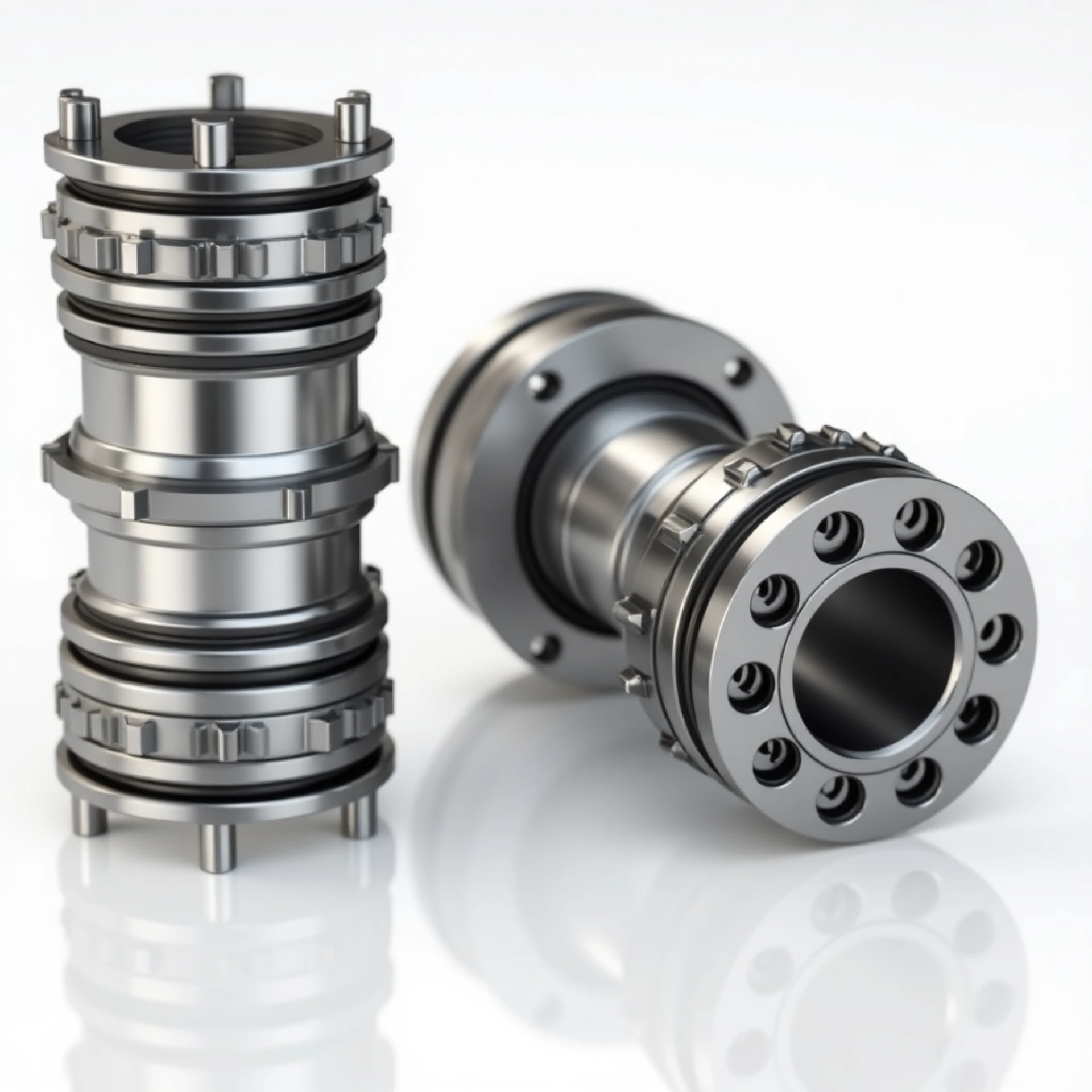
Wind turbines and renewable power systems are at the forefront of sustainable energy generation. These systems rely on precise mechanical motion to convert natural energy sources into electricity efficiently. A crucial component in these systems is the couplings that connect the rotor, gearbox, and generator. Couplings ensure smooth torque transfer, accommodate misalignment, reduce vibration, and protect critical components, all of which are essential for reliable operation in renewable energy installations.
The Role of Couplings in Wind Turbines
Wind turbines consist of several moving parts, including rotor blades, a main shaft, gearboxes, and generators. Couplings link these elements, transmitting torque from the rotating blades to the generator efficiently. They also absorb shock loads from gusts of wind and compensate for slight misalignments caused by mechanical or structural flexing.
Without high-quality couplings, wind turbines may experience:
- Excessive vibration
- Shaft misalignment
- Premature wear of gearboxes and bearings
- Reduced energy efficiency
Therefore, selecting the right coupling type is essential for the longevity and performance of renewable power systems.
Key Requirements for Couplings in Renewable Energy Systems
High Torque Transmission
Wind turbine blades can generate substantial torque under varying wind conditions. Couplings must handle these loads effectively, transmitting power from the rotor to the generator without slippage or failure.
Misalignment Compensation
Even with precise engineering, shafts in wind turbines can experience angular, axial, or parallel misalignment due to thermal expansion, structural shifts, or wind-induced vibrations. Flexible couplings absorb these misalignments, reducing stress on the gearbox and generator.
Vibration Damping
Wind conditions and operational dynamics produce vibrations that can harm mechanical components. Couplings with vibration-absorbing properties protect bearings, shafts, and gearboxes, enhancing system reliability.
Durability and Environmental Resistance
Wind turbines are exposed to harsh environments, including rain, snow, salt air, and temperature fluctuations. Couplings must resist corrosion, wear, and thermal stresses to ensure long-term operation.
Types of Couplings Used in Wind Turbines
Flexible Jaw Couplings
Flexible jaw couplings are widely used in small and medium-scale renewable power systems. They consist of two hubs connected by an elastomeric element, which absorbs shocks and compensates for minor misalignment.
Applications include:
- Small wind turbines
- Auxiliary drive systems
- Low to medium torque applications
They are easy to install and maintain, offering a balance of flexibility and durability.
Disc Couplings
Disc couplings are ideal for high-speed, high-precision applications. They provide torsional rigidity while accommodating angular and axial misalignment. These couplings are particularly suitable for dual-fed generators or high-performance gearboxes where accuracy and reliability are critical.
Benefits include:
- Minimal backlash
- Maintenance-free performance
- High torsional stiffness
Disc couplings ensure smooth energy transfer even in demanding wind conditions.
Gear Couplings
Gear couplings are preferred in heavy-duty turbines with high torque requirements. They feature interlocking gear teeth that transmit substantial power while allowing limited misalignment. Their robust construction makes them suitable for continuous, high-load operation in large-scale wind turbines.
Common applications include:
- Main shaft to gearbox connections
- High-capacity renewable power generators
- Industrial wind farms
These couplings deliver reliability under fluctuating torque and dynamic loads.
Oldham Couplings
Oldham couplings are designed to accommodate parallel misalignment efficiently. They consist of two hubs with a sliding disc in between, allowing lateral movement without compromising torque transmission. They are often used in compact or precision-controlled systems in renewable energy applications.
Applications include:
- Small-scale turbine drives
- Servo-driven positioning systems
- Compact renewable power units
Oldham couplings maintain smooth operation even with slight misalignments in tightly constrained systems.
Advantages of Using High-Quality Couplings in Wind Turbines
Enhanced Equipment Longevity
By absorbing misalignment and reducing vibration, high-performance couplings prevent premature wear of shafts, bearings, and gearboxes. This extends the lifespan of turbines and reduces replacement costs.
Improved Energy Efficiency
Precise torque transmission ensures that the mechanical energy generated by turbine blades is efficiently converted to electrical energy. This improves overall system efficiency and maximizes energy output.
Reduced Maintenance and Downtime
Durable couplings reduce the frequency of maintenance checks and replacements, lowering operational costs and minimizing downtime in wind farms.
Safety and Operational Reliability
Reliable couplings prevent unexpected failures that can damage critical components or create safety hazards. They ensure smooth operation, even under fluctuating wind loads, contributing to consistent energy production.
Factors to Consider When Selecting Couplings for Renewable Systems
Torque and Load Capacity
Assess the expected torque range under normal and peak wind conditions. Couplings must handle both continuous and intermittent high loads without failure.
Environmental Conditions
Consider exposure to temperature extremes, moisture, and corrosive elements. Choosing corrosion-resistant materials and protective coatings extends coupling life.
Alignment Tolerance
Evaluate potential shaft misalignment due to structural flexing or foundation shifts. Select couplings that can accommodate expected angular, axial, and parallel misalignments.
Maintenance Requirements
For large-scale renewable systems, low-maintenance or maintenance-free couplings reduce operational interruptions and labor costs, ensuring long-term reliability.
Conclusion
Wind turbines and renewable power systems demand precise, reliable mechanical components to convert natural energy into electricity efficiently. Industrial couplings are a vital part of these systems, providing smooth torque transmission, vibration damping, and misalignment compensation. By choosing high-quality couplings that match torque, speed, and environmental requirements, renewable energy operators can maximize efficiency, reduce maintenance costs, and extend equipment life. For trusted, high-performance solutions designed to meet the rigorous demands of renewable power applications, rathi couplings offers dependable options that support the long-term success of wind and other renewable energy systems.