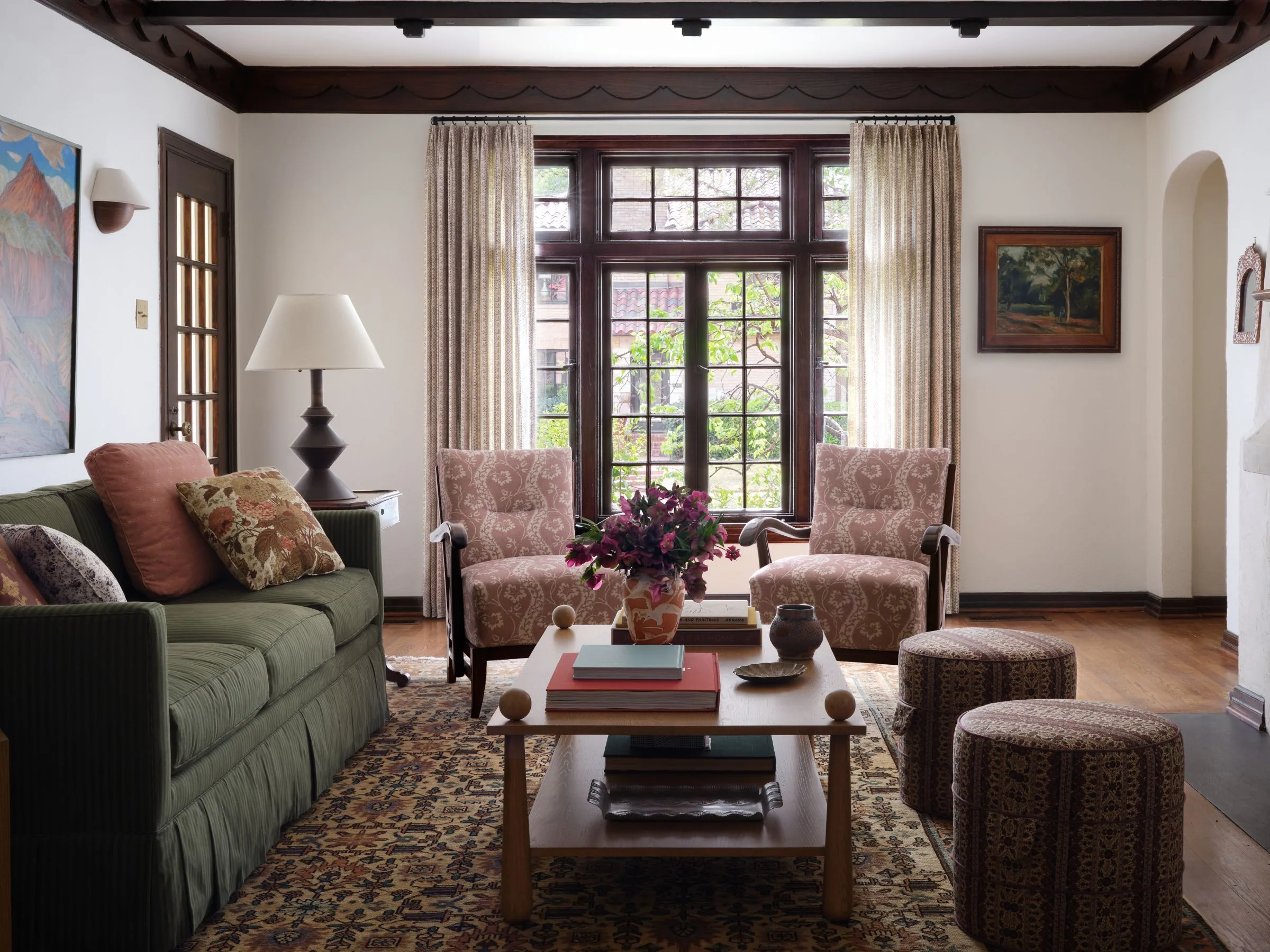
"How much will it cost?" is almost always the first question homeowners ask, and it deserves an honest answer. The cost of whole house remodeling in Walnut Creek CA varies widely because every home, design, and set of finishes is different. Still, understanding the main cost drivers helps you plan with confidence and avoid unpleasant surprises. For a project-specific estimate, you can always reach out to Build Strong Construction Bay for guidance.
Please note: prices change with the market, so the figures and percentages below are general planning guidance, not a quote. Always request a written estimate for your own home.
Why Whole House Remodel Costs Vary So Much
A whole-house project can mean a cosmetic refresh across every room or a complete gut renovation with new layouts, systems, and finishes. Those two ends of the spectrum are very far apart in cost. Prices are shaped by size, scope, material quality, and the age and condition of the home. The Bay Area also has higher labor and material costs than many parts of the country, which affects every project here.
The Main Factors That Drive Cost
Square footage. Larger homes require more materials and labor in almost every category.
Scope of work. Updating finishes costs far less than rebuilding layouts, moving plumbing, or adding rooms.
Structural changes. Removing load-bearing walls requires engineering, beams, and permits, which add to the budget.
Material quality. The difference between builder-grade and high-end cabinets, counters, and flooring can be dramatic.
Age of the home. Older homes may hide outdated wiring, plumbing, or insulation that must be corrected.
Site access and complexity. Hillside lots, tight driveways, and multi-story layouts can increase labor time.
Typical Cost Categories
A whole-house budget is usually divided into several areas:
- Design and engineering: Architectural plans, structural calculations, and drawings
- Permits and fees: City review, inspections, and related charges
- Demolition and disposal: Removing old materials and hauling debris
- Framing and structural work: Walls, beams, floors, and roof changes
- Mechanical systems: Electrical, plumbing, and heating and cooling
- Insulation and drywall: Energy performance and finished walls
- Kitchens and bathrooms: Often the largest share of the budget
- Flooring, paint, and trim: The finishing layers that define the look
- Windows and doors: Appearance, security, and efficiency
- Contractor management and overhead: Supervision, insurance, and scheduling
Seeing the budget this way helps you understand where your money goes.
Kitchens and Bathrooms Take the Biggest Share
These rooms are packed with expensive components, including cabinets, counters, appliances, tile, fixtures, plumbing, and electrical. Even a modest kitchen remodel can account for a large part of a whole-house budget. If you need to trim costs, adjusting finishes in these areas can create the biggest savings without harming function.
Hidden Costs Homeowners Often Miss
Some expenses are easy to overlook:
- Temporary housing or storage during construction
- Upgrades required to meet current building code
- Repairs uncovered after demolition, such as rot or pest damage
- Increased utility connections or panel upgrades
- Landscaping repair after construction traffic
- Furniture, window coverings, and décor for the new look
Building these into your plan prevents financial stress later.
Why You Need a Contingency Fund
Older homes hold secrets. When walls open, issues can appear that nobody could see before. A contingency fund, commonly set between 10 and 15 percent of the construction budget, absorbs these surprises without halting the project. If you do not need it, you keep the money or apply it to an upgrade.
How to Get Accurate Estimates
Accurate pricing depends on clear information. To get reliable estimates:
- Define your scope as precisely as possible
- Share photos, measurements, and priority lists
- Request line-item bids rather than a single lump sum
- Ask which items are allowances and which are fixed
- Confirm what is excluded, such as permits or design fees
- Compare at least three estimates
Contractors working with a detailed scope can provide far more dependable numbers.
Ways to Control Costs Without Cutting Quality
Smart choices keep the budget healthy:
- Keep plumbing and gas lines in their current locations
- Choose mid-range materials where they will not be noticed
- Bundle projects together to save on mobilization and overhead
- Finalize selections early to avoid change orders
- Schedule work during less busy seasons when possible
- Phase the project if cash flow requires it
Working with a team that manages everything under one contract, such as a provider of full house remodeling, also helps keep costs predictable through coordinated scheduling.
Financing Options to Explore
Many homeowners use several funding methods. These can include savings, a home equity line of credit, a cash-out refinance, or renovation loans. Each carries its own interest rates, fees, and risks, so review terms carefully and speak with a qualified financial professional before deciding. Remember that this article is general information and not financial advice.
Does Remodeling Add Value?
A well-planned remodel can raise a home's appeal and market value, especially when it improves layout, kitchens, bathrooms, and energy performance. Returns vary depending on the neighborhood and the quality of the work. Keep in mind that comfort and daily enjoyment are also returns, even if they do not appear on a sales report.
Final Thought
The true cost of a whole-house remodel is shaped by decisions you make, not just market prices. Clear goals, detailed estimates, and a healthy contingency keep the journey smooth. To discuss your project and receive tailored guidance, visit https://buildstrongconstructionbay.com/full-house-remodeling/ and request a consultation.