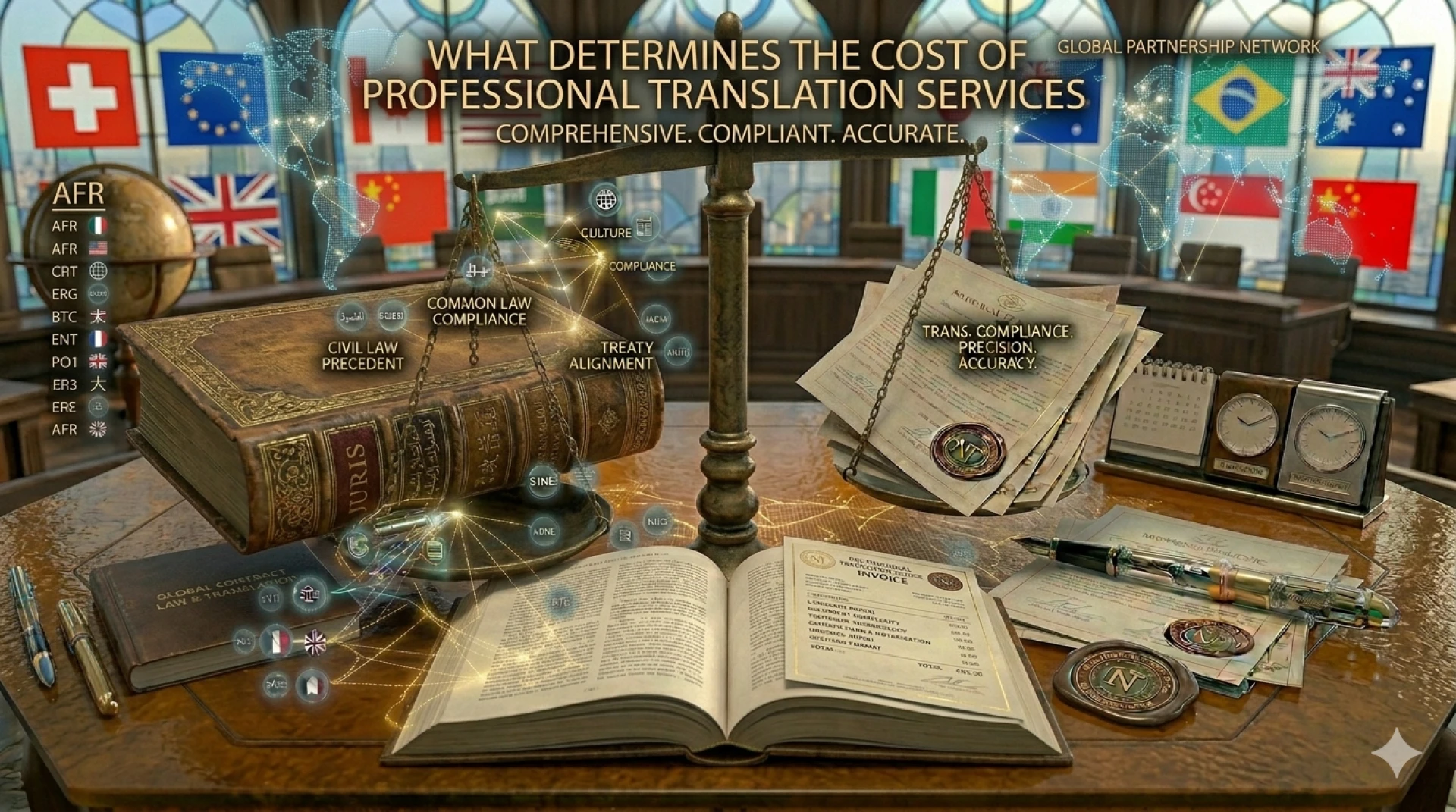
People often assume translation is simple: you hand over a document, someone converts it into another language, and that’s the end of it. But anyone who has worked with professional translators knows the reality is more layered than that. The price of translation isn’t based on word count alone. Behind every translated document sits a process — reading, interpreting, verifying terminology, maintaining formatting, and sometimes preparing the text for legal or official use. Each of these steps affects the final cost. That’s why organisations and individuals working with official paperwork often choose experienced providers such as NotarisedTranslations where the translation process is handled carefully to meet both linguistic and legal requirements. Because when documents are used for legal or international purposes, translation isn’t just about language — it’s about accuracy, accountability, and trust.
Key Factors That Influence Translation Pricing
Several elements influence the cost of professional translation services. Some are obvious, like document length, while others relate more to complexity and the expertise required.
Document Length and Word Count
The most visible factor in translation pricing is word count. Professional translation services typically calculate costs based on the number of words in the source document. Longer documents naturally require more time to translate, review, and format. However, word count alone does not determine the final price. A short legal contract may require more specialised work than a long general text.
Language Pair
The languages involved in a translation project also influence pricing. Common language pairs — such as Spanish to English or French to English — tend to be easier to source translators for. Rarer language combinations may require specialised linguists with limited availability. Because of this, translation involving less common languages can sometimes cost more.
Formatting and Document Structure
Some documents contain complex layouts, including tables, stamps, signatures, or legal formatting that must remain intact during translation. Maintaining these structural elements requires additional attention and sometimes specialised formatting tools. Translators often need to recreate the document layout so that the translated version mirrors the original. For official submissions, formatting accuracy is particularly important. This is why services like legalisation services UK often involve careful document preparation alongside translation.
Why Legal Translation Often Costs More
Legal translation is one of the most specialised areas within the translation industry. The work requires both linguistic expertise and familiarity with legal terminology.
Specialised Terminology
Legal documents contain terminology that carries precise meaning. Words used in contracts, court records, or regulatory filings must be translated carefully so that the legal implications remain intact. Professional translators working in legal fields often specialise in this type of content. Their expertise ensures that the translated document accurately reflects the original legal intent. Because of the expertise required, legal document translation UK services may cost more than general translation projects.
Responsibility and Verification
Legal translations often require certification confirming that the translation accurately represents the original document. In some situations, documents must also be notarised before being accepted by authorities. These verification steps add responsibility to the translation process.
Professional translators take extra care to ensure accuracy when their work will be used in legal or official contexts.
Risk of Errors
Errors in legal translation can have serious consequences. A mistranslated clause in a contract, for example, may lead to disputes between parties. Because the stakes are higher, legal translators typically invest more time in reviewing and verifying their work. This additional effort contributes to the cost of professional translation.
How Project Complexity Affects Translation Fees
Not all translation projects are equal. Some documents require straightforward language conversion, while others involve complex terminology or specialised formatting.
Technical or Industry-Specific Language
Documents relating to law, medicine, finance, or engineering often contain specialised vocabulary. Translators working with these materials must understand the terminology within the relevant field. This expertise helps ensure the translated document remains accurate.
Multi-Document Projects
Large projects involving multiple documents can also affect pricing.
For example, businesses expanding internationally may need translation for contracts, regulatory paperwork, and corporate records simultaneously. Managing these projects requires coordination and consistency across multiple files.
Tight Deadlines
Urgent translation requests can increase costs as well. When a document must be translated within a short timeframe, translators may need to prioritise the project or work extended hours to complete it on schedule. Urgency often requires additional resources to maintain accuracy while meeting deadlines.
Tips for Budgeting International Document Translation
Understanding the factors behind translation pricing can help individuals and businesses plan their budgets more effectively.
Prepare Clear Source Documents
Providing clear and complete source documents helps translators work efficiently. Documents that are difficult to read or incomplete may require additional time for clarification.
Confirm Translation Requirements Early
Some applications require certified or notarised translations. Understanding these requirements before translation begins prevents delays and unexpected costs.
Choose Experienced Translators
While lower-cost translation options may appear appealing, accuracy is particularly important for legal and official documents. Working with experienced professionals helps ensure that translated documents meet official requirements and avoid potential complications later.
For individuals and organisations managing international paperwork, choosing affordable professional translation services UK ensures that documents remain accurate while staying within budget.
Conclusion
The cost of professional translation services reflects the expertise, time, and care required to produce accurate translations. Factors such as document length, language pair, formatting complexity, and subject matter all influence pricing. Legal and official documents often require specialised translators who understand both language and legal terminology. These projects may also involve certification or verification steps that add to the translation process.
Understanding these cost factors allows individuals and businesses to plan translation projects more effectively. By working with experienced translators and preparing documents carefully, organisations can ensure that their translated materials remain accurate, reliable, and ready for official use. In international communication where documents carry legal and professional weight, professional translation is not simply a service — it is an investment in clarity, accuracy, and trust.