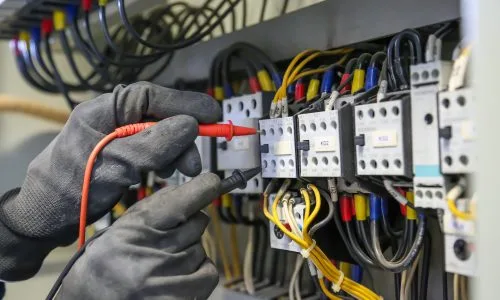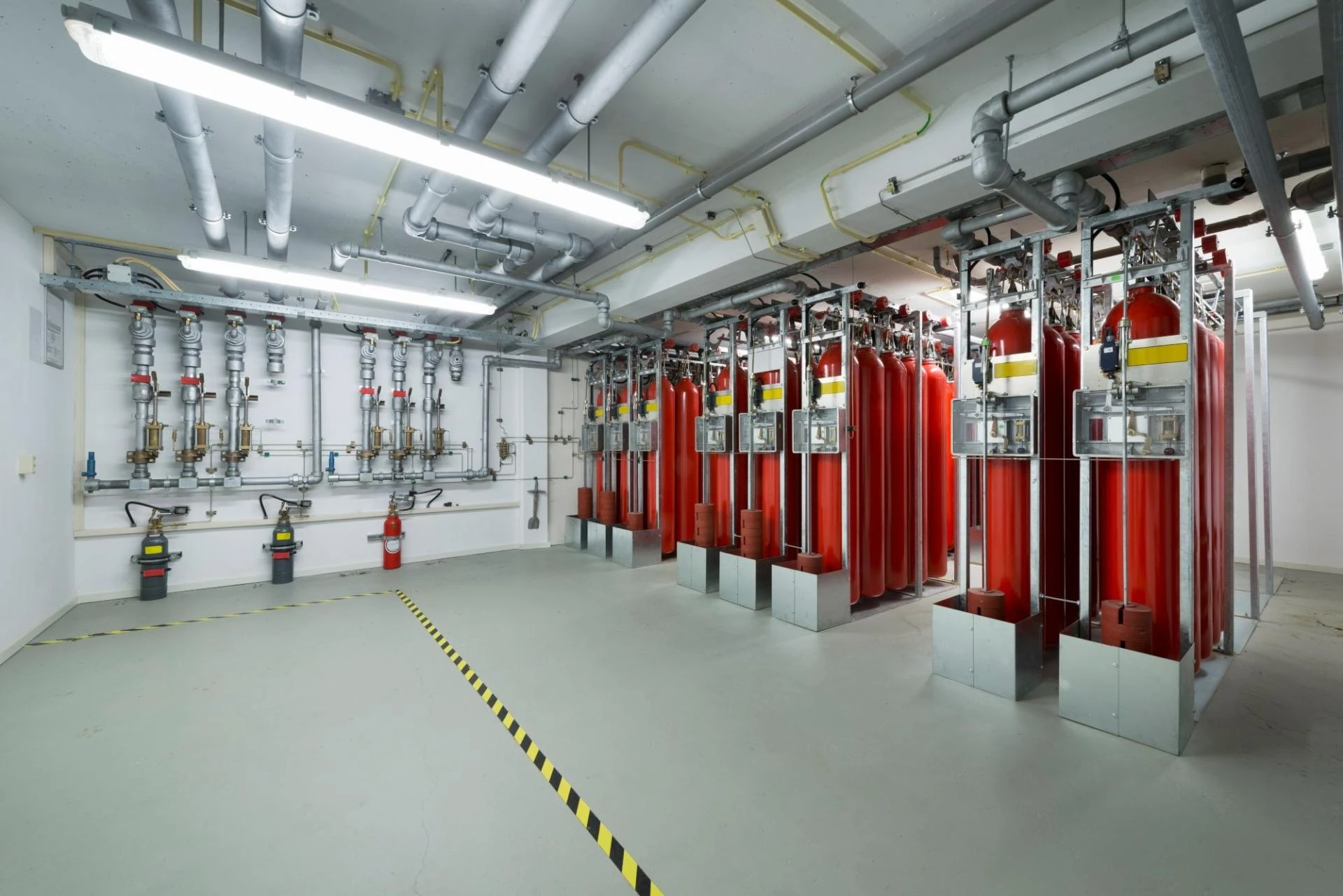
Fire safety is often perceived as a mandatory expense, driven by regulatory compliance rather than strategic value. However, organisations that adopt proactive fire safety management consistently experience significant cost efficiencies over the long term. By shifting focus from reactive incident handling to preventive planning and system optimisation, businesses can control expenses, reduce losses, and improve financial predictability. Providers such as I Focus Solutions support organisations in transforming fire safety from an operational cost into a financially efficient risk management practice.
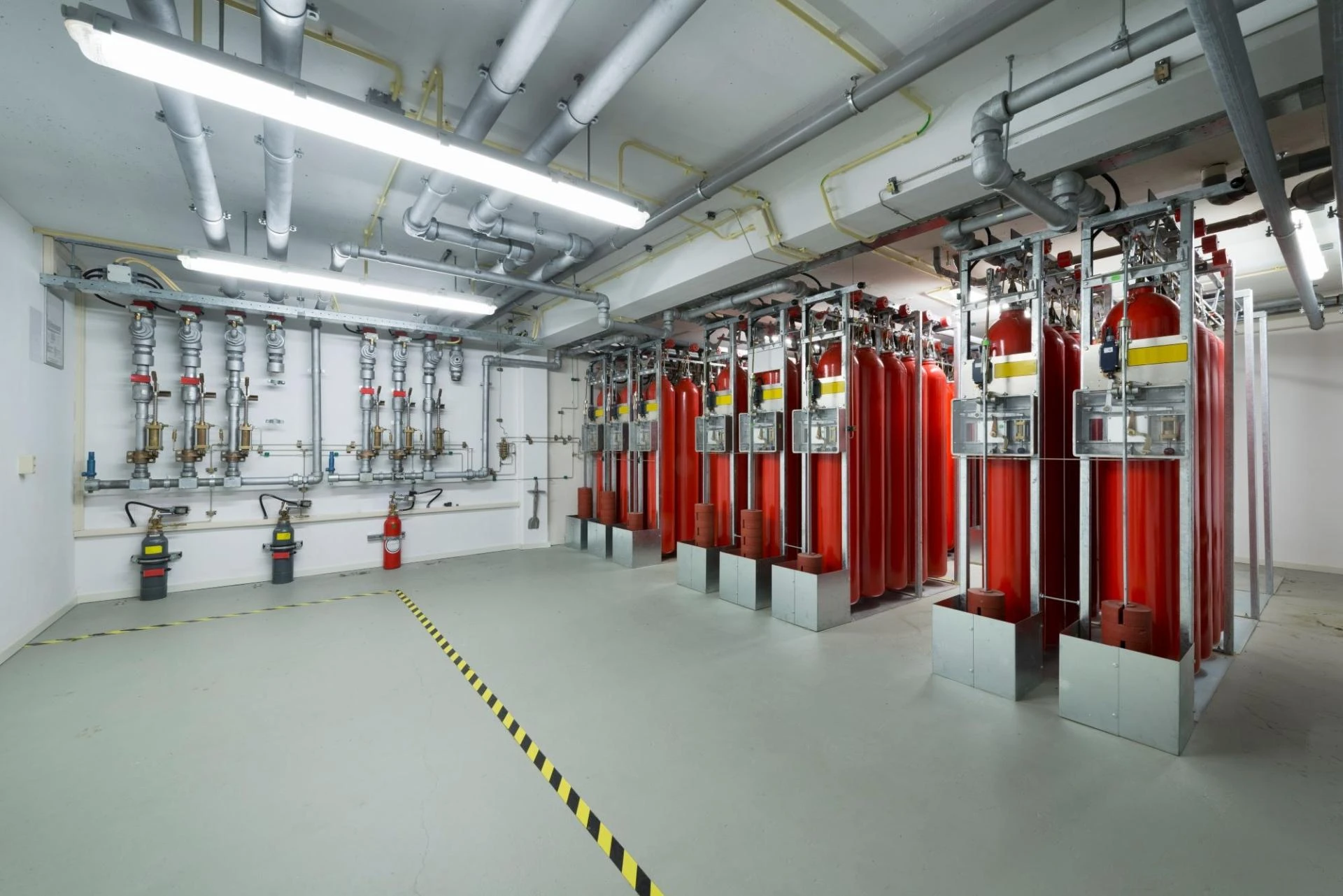
Reducing High-Cost Emergency Interventions
One of the most immediate financial benefits of proactive fire safety management is the reduction of emergency-related expenses. Fire incidents typically involve unplanned costs such as emergency repairs, temporary shutdowns, equipment replacement, and regulatory penalties. These expenses often exceed the original cost of preventive measures.
Proactive systems identify potential fire threats early, allowing corrective action before escalation. Early detection and controlled response reduce damage severity, lowering repair costs and eliminating the need for large-scale emergency interventions. Over time, this prevention-driven approach stabilises operational budgets and reduces unexpected financial strain.
Optimising Maintenance and Replacement Costs
Reactive fire safety practices often lead to inefficient maintenance cycles. Systems are repaired only after failure, which increases labour costs, downtime, and component replacement frequency. Proactive fire safety management introduces structured inspection and maintenance schedules that extend system lifespan.
Regular monitoring identifies wear and minor faults early, enabling low-cost fixes instead of major replacements. A professionally managed fire system installation ensures that components are accessible, documented, and service-friendly, further reducing maintenance complexity and cost.
Midway through lifecycle planning, many organisations rely on I Focus Solutions to design systems that balance performance with long-term service efficiency. This approach lowers total cost of ownership across the system’s operational life.
Lowering Insurance and Risk-Related Expenses
Insurance costs are a significant recurring expense for commercial and industrial facilities. Insurers assess fire risk based on system quality, maintenance records, and incident history. Organisations with advanced and well-maintained fire safety systems are often viewed as lower-risk clients.
Proactive fire safety management improves risk profiles by reducing incident likelihood and demonstrating disciplined safety governance. Over time, this can support favourable insurance terms, reduced premiums, and faster claim resolution. The cumulative financial benefit of these reductions can be substantial.
Avoiding Regulatory Penalties and Project Delays
Non-compliance with fire safety regulations often results in penalties, forced shutdowns, or delayed approvals. These outcomes carry both direct costs and indirect financial impacts such as missed business opportunities or project overruns.
A structured fire system installation process ensures systems meet current standards and are supported by proper documentation. Proactive management also prepares organisations for audits and inspections, reducing the risk of corrective notices or rework expenses.
Improving Asset Utilisation and Return on Investment
Fire damage rarely affects only the immediate area of ignition. Smoke, heat, and suppression-related damage can render adjacent equipment unusable, reducing asset productivity. Proactive fire safety systems limit spread and collateral impact, preserving operational assets.
By protecting equipment and infrastructure, organisations maximise asset utilisation and improve return on capital investments. This protection is especially critical in facilities with high-value machinery, data systems, or specialised installations.
Enhancing Budget Predictability and Financial Planning
Unplanned fire incidents introduce volatility into financial planning. Emergency repairs, temporary relocations, and lost productivity disrupt budgets and forecasts. Proactive fire safety management converts unpredictable risks into planned, manageable expenses.
Scheduled inspections, maintenance, and system upgrades allow organisations to allocate budgets strategically rather than reactively. This predictability improves financial control and supports long-term planning.
Cost Benefits That Extend Beyond Safety
The financial advantages of proactive fire safety management are broad and measurable:
- Reduced emergency repair and replacement costs
- Lower maintenance expenses through preventive servicing
- Improved insurance terms and reduced premiums
- Avoidance of compliance penalties and approval delays
- Extended lifespan of critical assets
- Predictable budgeting and financial stability
These benefits reinforce fire safety as a cost-control strategy rather than a sunk expense.
Conclusion
Proactive fire safety management delivers substantial cost efficiency by preventing incidents, optimising maintenance, and reducing financial risk exposure. When systems are professionally designed, installed, and maintained, organisations gain long-term economic value alongside enhanced safety. With expert support from I Focus Solutions and reliable fire system installation practices, businesses can achieve a balanced approach that protects people, assets, and financial performance with sustained efficiency.