
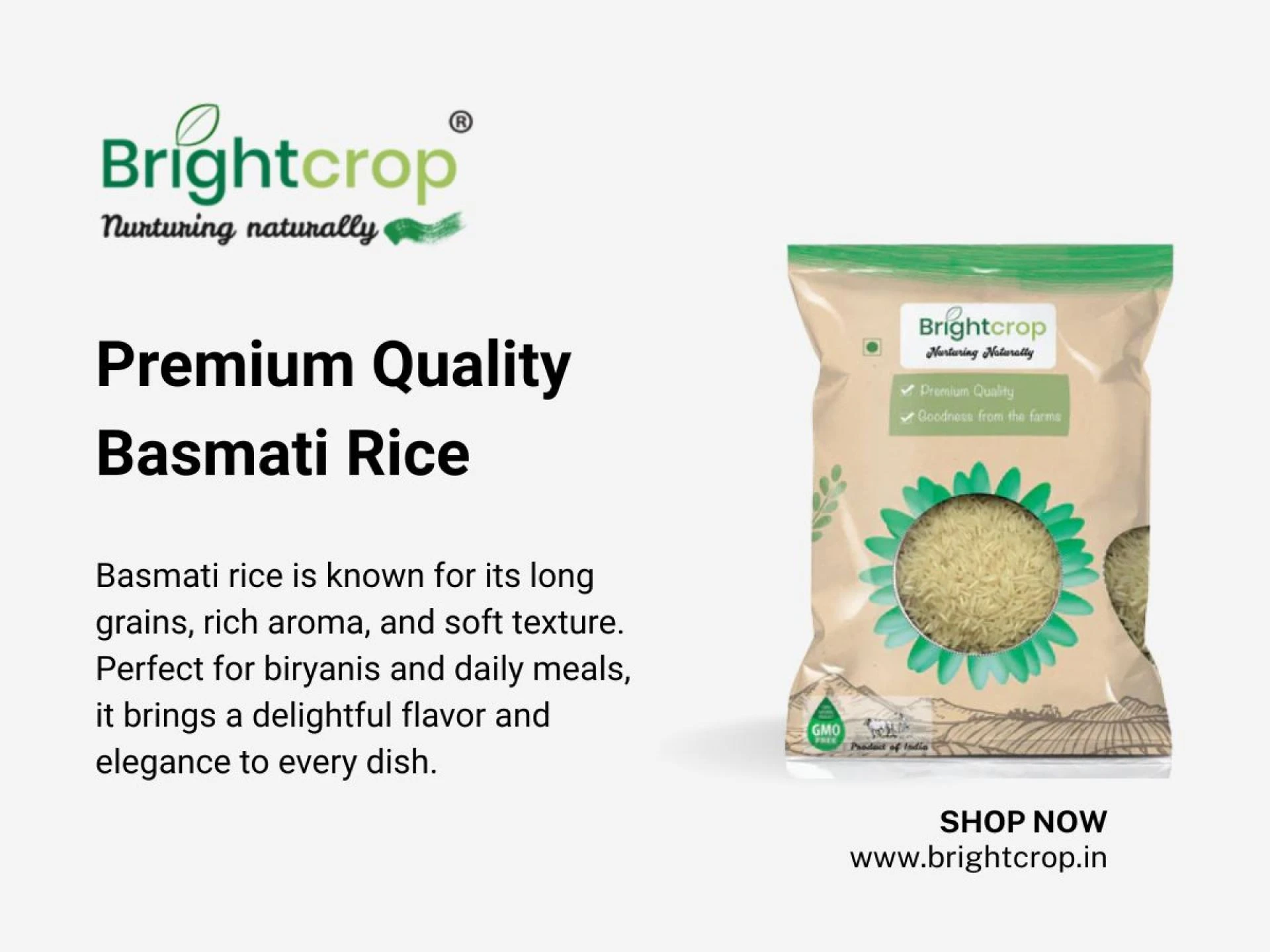
When it comes to culinary traditions, few ingredients hold as much prestige and versatility as long-grain aromatic rice. Whether you are preparing a festive biryani or a simple side dish for a weekday curry, choosing a high-quality basmati rice 10kg pack ensures that you always have the perfect base for your meals. However, even the finest grains require a precise touch in the kitchen to truly shine. Achieving that coveted fluffy texture, where every grain stands separate and aromatic, is an art form that depends on three critical pillars: the water ratio, timing, and heat management.
The Foundation: Understanding the Grain
Basmati is unique because of its aging process and its ability to expand to twice its length when cooked. To get the most out of your bulk purchase, you must treat the rice with care before it even touches the heat.
The first essential step is rinsing. Rinsing the rice under cold water removes excess surface starch, which is the primary culprit behind sticky or clumped rice. You should rinse until the water runs clear. Following this, soaking the rice for 20 to 30 minutes is non-negotiable. Soaking allows the grains to absorb moisture evenly, which prevents them from breaking during the boiling process and ensures a uniform texture from the core to the surface.
The Golden Ratios: Water to Rice
The most common mistake in home kitchens is using too much water. For aged Basmati, the standard ratio for the stovetop absorption method is 1:1.5—that is, one cup of rice to one and a half cups of water.
If you prefer a softer, more tender grain, you might increase this to 1:1.75, but exceeding this usually results in mushy rice. If you are using an open-pot method (boiling like pasta and draining), the ratio matters less, but the timing becomes the ultimate factor. For the best results with a premium basmati rice 10kg supply, sticking to the absorption method preserves the natural oils and the distinct "nutty" aroma that defines this variety.
Mastering the Cooking Time
Timing is the bridge between a perfect meal and a kitchen disaster. Once your soaked rice and measured water are in the pot, bring the mixture to a gentle boil. As soon as it reaches a boil, turn the heat to the lowest possible setting and cover the pot with a tight-fitting lid.
For white Basmati, the magic number is usually 12 minutes. During this time, resist the urge to lift the lid. Peeking releases the steam necessary to cook the grains evenly. Once the 12 minutes are up, turn off the heat but leave the lid on for another 5 to 10 minutes. This "resting period" allows the moisture to redistribute, firming up the grains so they don’t break when you fluff them.
Heat and Texture Tips
The texture of Basmati should be "al dente"—firm to the bite but fully cooked. To enhance the texture and flavor, many chefs recommend adding a teaspoon of oil or ghee and a pinch of salt to the water. The fat coats the grains, further ensuring they remain separate. For a professional touch, a few drops of lemon juice added to the boiling water can help keep the rice exceptionally white and bright.
If you are cooking in large batches, perhaps for a family gathering using your bulk stock, ensure your pot is wide rather than deep. This prevents the weight of the top layers from crushing the delicate grains at the bottom. When the rice is finished, always use a fork rather than a spoon to fluff it. A fork separates the grains without snapping the long, elegant needles of rice.
Troubleshooting Common Issues
If your rice ends up too hard, it likely didn't soak long enough or the lid wasn't tight enough to trap the steam. You can fix this by adding two tablespoons of boiling water and steaming for another 3 minutes. If the rice is too wet, cook it uncovered for a few minutes on very low heat to evaporate the excess moisture, though this may slightly compromise the aroma.
Investing in a high-quality basmati rice 10kg bag is the first step toward gourmet home cooking. By mastering the 1:1.5 ratio, respecting the 12-minute cook time, and allowing for a proper rest, you transform a simple pantry staple into a fragrant, restaurant-quality masterpiece. Whether it is paired with a rich dal or a spicy meat dish, perfectly cooked Basmati remains the undisputed king of the dinner table.