Concrete is one of the most widely used construction materials in the world—known for its durability, strength, and versatility. But what many people don’t realize is that before concrete can be poured and shaped into a driveway, patio, wall, or foundation, a crucial process takes place behind the scenes: concrete formwork.
At Morristown Masonry, Pavers, and Concrete, we’ve worked with all types of concrete jobs—from custom patios to structural foundations—and we know just how vital formwork is to the final result. Whether you're a curious homeowner planning a backyard upgrade or a contractor brushing up on best practices, this guide will break down everything you need to know about concrete formwork.
What Is Concrete Formwork?
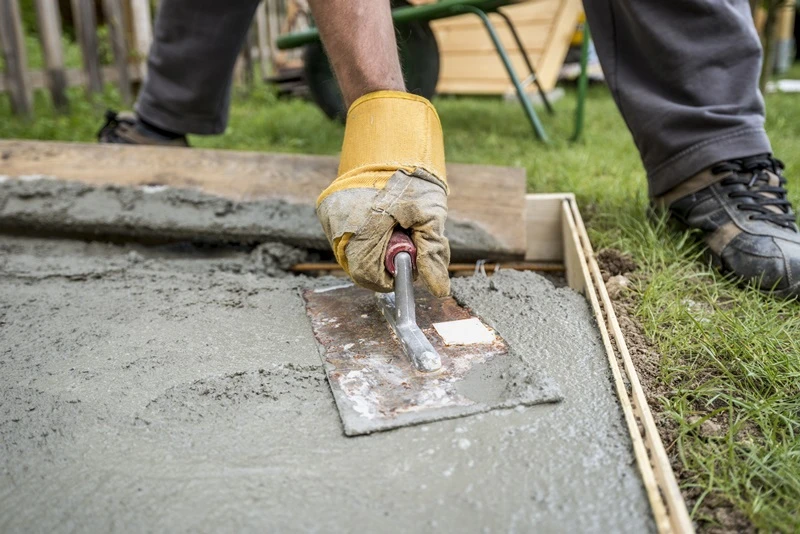
Simply put, formwork is the temporary or permanent mold into which concrete is poured to shape it as it hardens. It acts as a frame that holds the concrete in place until it cures and gains enough strength to support itself.
Formwork can be made of various materials, including:
- Wood – Common, cost-effective, and easy to work with.
- Metal (Steel or Aluminum) – Durable, reusable, and ideal for large-scale or repeat projects.
- Plastic – Lightweight and reusable, often used in decorative or patterned finishes.
- Insulated Concrete Forms (ICFs) – Permanent forms that also act as insulation for energy-efficient building.
Why Formwork Matters
Quality formwork is the foundation of a successful concrete pour. If the formwork isn’t level, secure, or properly aligned, you could end up with:
- Uneven surfaces
- Cracks or structural weaknesses
- Wasted materials
- Costly repairs or rework
In other words, even if you’re using top-grade concrete, poor formwork can lead to poor results. Getting this step right is critical to any concrete structure’s appearance, performance, and longevity.
Types of Concrete Formwork
There are several different kinds of formwork, depending on the project:
1. Traditional Timber Formwork
- Made on-site with wood and plywood.
- Affordable and flexible—great for custom or small-scale projects.
- Best for projects where labor cost is lower than material cost.
2. Engineered Formwork Systems
- Pre-made systems using metal frames (often steel or aluminum).
- Quicker to set up and dismantle.
- Commonly used in commercial or high-volume work due to speed and consistency.
3. Permanent Insulated Formwork
- Left in place after the concrete is poured.
- Offers thermal insulation and soundproofing.
- Popular in residential construction for energy-efficient homes.
4. Slip Formwork
- Used for tall vertical structures like chimneys or towers.
- The form moves upwards as the concrete sets—continuous pouring.
- Requires specialized equipment and expertise.
Best Practices for Formwork Success
Here at Morristown Masonry, Pavers, and Concrete, we follow some tried-and-true principles for flawless formwork:
1. Accurate Measurement & Planning
Before we build anything, we measure meticulously. It’s critical to ensure that forms are level, straight, and aligned to the final design.
2. Reinforcement Compatibility
Formwork must be set up with consideration for steel reinforcement (rebar or mesh), allowing proper spacing and support.
3. Sturdy Support
Concrete is heavy—about 150 pounds per cubic foot. A well-built form must resist bulging or collapsing under that weight.
4. Proper Release Agents
To prevent concrete from sticking to the form, we apply safe and effective release agents that make removal easy and clean.
5. Timely Removal
Once the concrete is cured enough to hold its shape (usually after 24-48 hours, depending on weather), forms should be removed without damaging the surface.
Formwork for Homeowners: What You Should Know
Even if you're hiring a professional team like ours, it’s good to understand the process happening in your yard or driveway. When discussing a new concrete patio, walkway, or retaining wall, ask your contractor:
- What kind of formwork will be used?
- How long will the forms stay in place?
- Will there be visible seams or patterns?
- Is reinforcement included in the formwork plan?
Knowledge is power—and it helps ensure you get the results you expect.
Concrete Formwork and Your Next Project
Whether you’re envisioning a stamped concrete patio, a sleek modern driveway, or a solid retaining wall, it all starts with great formwork. Skipping or rushing this phase is a recipe for poor results.
At Morristown Masonry, Pavers, and Concrete, we bring years of hands-on experience and attention to detail to every concrete form we build. We treat every project—big or small—with the care and craftsmanship it deserves.
So, the next time you admire a beautifully poured concrete surface, remember: it was formwork that shaped it. And with the right team, the form is just as strong as the function.
Ready to start your next concrete project?
Reach out to Morristown Masonry, Pavers, and Concrete today—we’ll walk you through the process from the ground up, starting with the formwork that brings your vision to life.