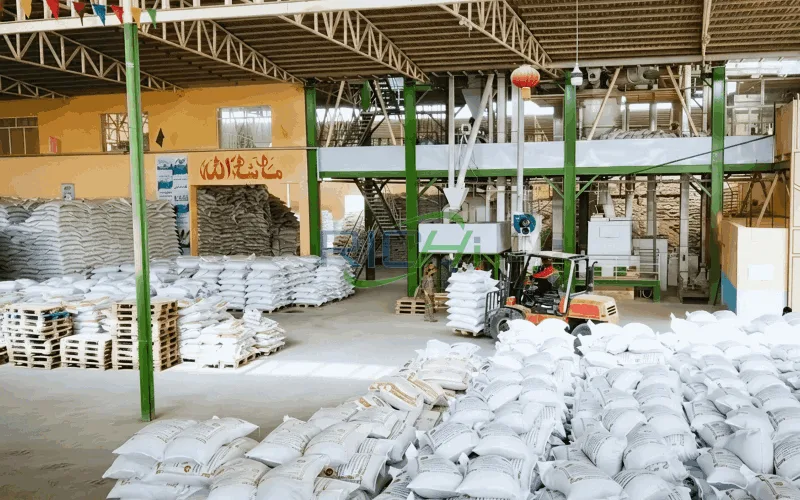
In construction and industrial environments, maintaining concrete equipment is essential for consistent performance and long-term cost control. One of the most effective maintenance practices is chipping concrete , which focuses on removing hardened buildup from silos, mixers, and batching systems. This process plays a critical role in improving efficiency, safety, and equipment lifespan.
What is Concrete Chipping?
Concrete chipping is the process of breaking and removing hardened concrete deposits that accumulate inside equipment over time. These deposits can restrict capacity, disrupt material flow, and increase mechanical stress. Regular removal ensures that equipment continues to operate at optimal levels.
Why Concrete Chipping is Important
1. Improves Equipment Performance
Concrete buildup reduces internal space and affects mixing and discharge efficiency. Removing this buildup restores proper functionality and ensures smooth operations.
2. Prevents Mechanical Failures
Excess hardened material puts strain on moving parts, increasing the likelihood of breakdowns. Routine chipping helps prevent costly repairs and unexpected downtime.
3. Enhances Workplace Safety
Equipment with heavy buildup can malfunction or become unstable. Regular maintenance reduces risks and creates a safer working environment.
4. Reduces Long-Term Costs
Preventive maintenance through concrete chipping minimizes emergency repairs and extends the service life of expensive equipment.
Best Practices for Effective Concrete Chipping
Regular Maintenance Planning
Establishing a routine inspection and cleaning schedule helps identify buildup early and prevents severe accumulation.
Hiring Skilled Professionals
Experienced technicians use the right techniques to remove hardened concrete without damaging equipment surfaces.
Using Proper Equipment
Tools such as pneumatic hammers and controlled-impact devices are commonly used to ensure precise and efficient removal.
Following Safety Protocols
Protective gear, proper ventilation, and adherence to safety standards are essential during the chipping process.
Emerging Trends in Equipment Maintenance
Automation and Robotics
Advanced robotic systems are being introduced to perform chipping in confined or hazardous areas, improving accuracy and reducing risk.
Data-Driven Maintenance
Monitoring systems now help track equipment performance and predict when cleaning is required, allowing for better scheduling.
Sustainable Practices
Industries are adopting environmentally responsible methods that reduce waste and energy consumption during maintenance activities.
Final Thoughts
Concrete buildup is a common but manageable challenge in industrial operations. By integrating concrete chipping into a structured maintenance plan, businesses can improve efficiency, reduce costs, and maintain safer working conditions.
A proactive approach to equipment care not only prevents operational disruptions but also ensures long-term reliability. Investing in regular maintenance today helps avoid larger issues in the future and keeps operations running at peak performance.