
1. Durability:
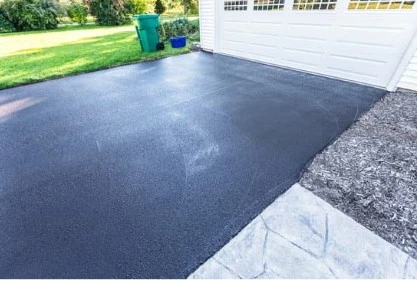
One of the primary considerations when choosing a driveway material is durability. Concrete is renowned for its longevity, with the ability to withstand heavy loads and resist cracking over time. Asphalt, while durable, requires more maintenance to prevent cracks and potholes, particularly in extreme weather conditions. Pavers, made from various materials like concrete, clay, or natural stone, offer excellent durability but may shift over time without proper installation.
2. Maintenance:
Maintenance requirements vary significantly among the different materials. Concrete driveways generally require minimal upkeep beyond occasional sealing to maintain their appearance and structural integrity. Asphalt, on the other hand, needs regular resealing every few years to prevent deterioration and maintain its sleek black finish. Pavers may require periodic re-leveling of the base and replacement of individual units if they become damaged or dislodged.
3. Aesthetic Appeal:
The visual impact of your driveway can greatly enhance your home's overall look. Concrete offers versatility with various finishes and colors available, allowing you to complement your home's exterior design. Asphalt provides a classic, uniform appearance that can be appealing in many residential settings. Pavers, with their interlocking patterns and range of colors and textures, add a touch of elegance and can be customized to create unique designs.
4. Cost Considerations:
Cost is often a deciding factor for homeowners. Concrete driveways typically have a moderate upfront cost, with long-term savings due to minimal maintenance requirements. Asphalt driveways are initially cheaper than concrete but may incur higher maintenance costs over time. Pavers are the most expensive upfront due to material and installation costs but offer flexibility in design and durability that can justify the investment.
5. Climate Suitability:
The climate in your region plays a significant role in determining the suitability of driveway materials. Concrete withstands heat well but may crack in extremely cold climates without proper installation and maintenance. Asphalt is prone to softening in high temperatures and cracking in freezing conditions, requiring careful consideration of local climate conditions. Pavers, when properly installed, can adapt to temperature changes without significant issues.
Conclusion:
Choosing the best driveway material involves balancing factors such as durability, maintenance requirements, aesthetic preferences, cost considerations, and climate suitability. Concrete, asphalt, and pavers each offer distinct advantages that cater to different homeowner priorities. By assessing your specific needs and consulting with professionals, such as the team at Bellevue Concrete Pros, you can make an informed decision that enhances both the functionality and curb appeal of your home for years to come.
In conclusion, the choice between concrete, asphalt, or pavers depends on your specific preferences and priorities. Each material offers unique benefits, whether it's the durability of concrete, the cost-effectiveness of asphalt, or the aesthetic flexibility of pavers. Assessing your needs and working with trusted experts will ensure you select the ideal driveway material that complements your home and withstands the test of time.