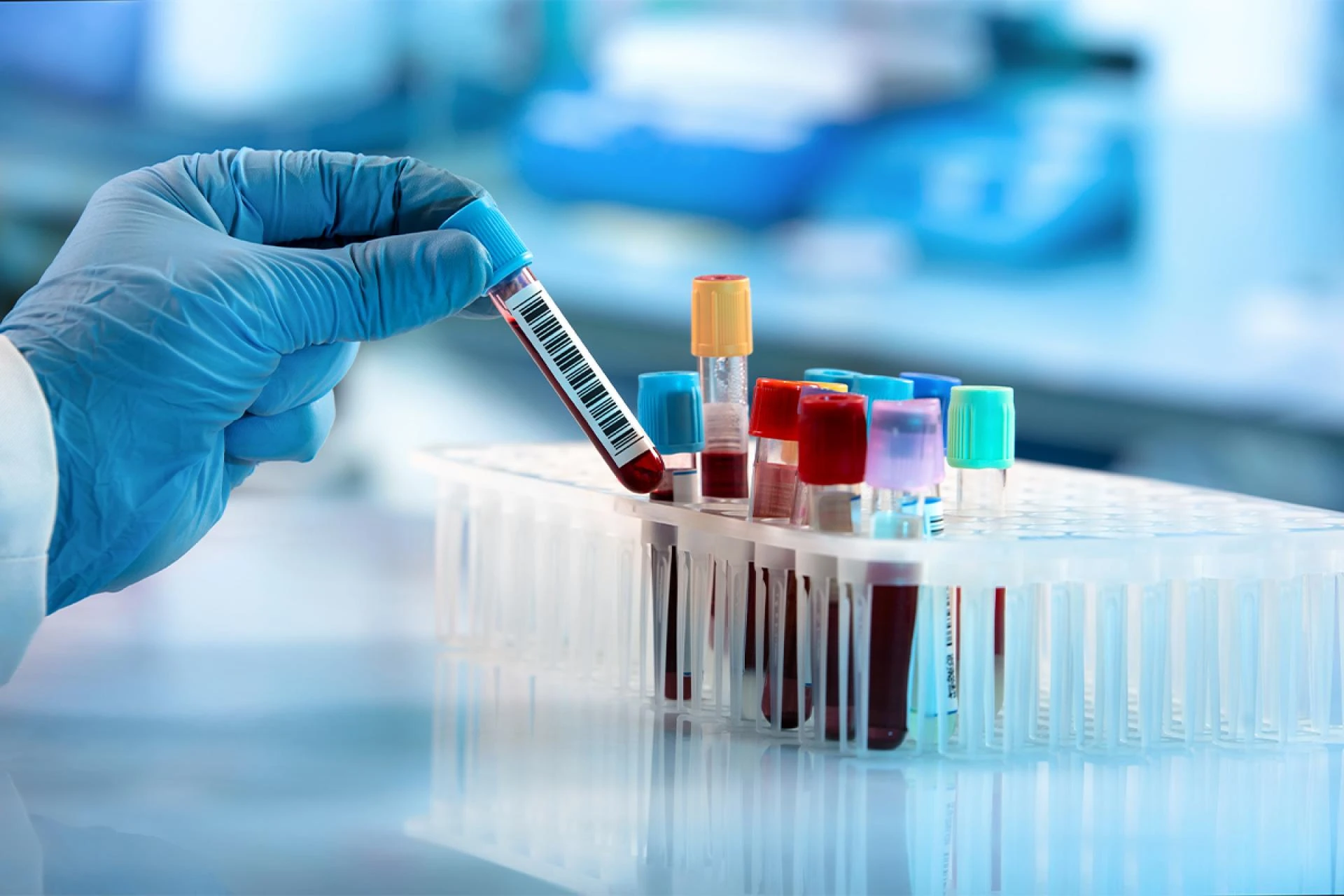
Blood tests are essential tools in modern medicine, providing valuable insights into your overall health, diagnosing conditions, and monitoring treatments. There are numerous types of blood tests, each designed to evaluate specific aspects of your health. Below is a comprehensive list of blood tests categorized by their purpose:
1. General Health and Wellness
These tests provide an overview of your overall health and are often part of routine check-ups.
Complete Blood Count (CBC): Measures red blood cells, white blood cells, hemoglobin, hematocrit, and platelets to assess general health and detect conditions like anemia or infection.
Basic Metabolic Panel (BMP): Checks glucose, calcium, electrolytes, and kidney function.
Comprehensive Metabolic Panel (CMP): Includes BMP tests plus liver function tests (e.g., albumin, bilirubin).
Lipid Panel: Measures cholesterol levels (HDL, LDL, triglycerides) to assess heart health.
2. Hormone Testing
Hormone tests evaluate the balance of hormones in your body, which can affect energy, mood, metabolism, and more.
Thyroid Function Tests: TSH, T3, T4 to assess thyroid health.
Cortisol Test: Measures stress hormone levels.
Sex Hormones: Testosterone, estrogen, progesterone, and FSH/LH for reproductive health.
Insulin and C-Peptide: Evaluates blood sugar regulation and diabetes management.
3. Vitamin and Mineral Testing
These tests check for deficiencies or excesses of essential nutrients.
Vitamin D Test: Assesses bone health and immune function.
Vitamin B12 and Folate: Important for energy and nerve function.
Iron Studies: Includes ferritin, iron, and total iron-binding capacity (TIBC) to detect anemia or iron overload.
Magnesium and Zinc: Essential for muscle, nerve, and immune function.
4. Infectious Disease Testing
These tests detect infections caused by bacteria, viruses, parasites, or fungi.
HIV Test: Detects the presence of the HIV virus.
Hepatitis Panels: Tests for hepatitis A, B, and C.
Lyme Disease Test: Checks for antibodies against Lyme bacteria.
STI Panels: Screens for sexually transmitted infections like syphilis, gonorrhea, and chlamydia.
COVID-19 Testing: Includes PCR, antigen, and antibody tests.
5. Autoimmune and Inflammatory Testing
These tests help diagnose autoimmune disorders and inflammatory conditions.
ANA (Antinuclear Antibody) Test: Screens for autoimmune diseases like lupus.
Rheumatoid Factor (RF): Detects rheumatoid arthritis.
CRP (C-Reactive Protein): Measures inflammation in the body.
ESR (Erythrocyte Sedimentation Rate): Assesses inflammation levels.
6. Cancer Screening
Blood tests can help detect certain cancers or monitor treatment.
PSA (Prostate-Specific Antigen): Screens for prostate cancer.
CA-125: Monitors ovarian cancer.
CEA (Carcinoembryonic Antigen): Used for colorectal and other cancers.
AFP (Alpha-Fetoprotein): Screens for liver cancer.
7. Allergy Testing
These tests identify allergic reactions to specific substances.
IgE Testing: Measures antibodies related to allergic reactions.
Food Allergy Panels: Tests for common food allergens.
Environmental Allergy Panels: Checks for reactions to pollen, dust, or pet dander.
8. Genetic and DNA Testing
These tests provide insights into genetic predispositions and inherited conditions.
Carrier Screening: Identifies genetic mutations that could be passed to children.
Pharmacogenetic Testing: Determines how your genes affect medication responses.
BRCA Testing: Assesses risk for breast and ovarian cancer.
9. Organ Function Tests
These tests evaluate the health of specific organs.
Liver Function Tests (LFTs): Includes ALT, AST, ALP, and bilirubin.
Kidney Function Tests: Measures creatinine, BUN, and eGFR.
Pancreatic Function Tests: Includes amylase and lipase.
10. Specialised Tests
These tests are used for specific conditions or advanced diagnostics.
HbA1c: Monitors long-term blood sugar control in diabetics.
D-Dimer: Detects blood clotting disorders.
Troponin: Diagnoses heart attacks.
Heavy Metal Testing: Checks for toxic metals like lead or mercury.
11. Fertility and Reproductive Health Testing
For individuals or couples trying to conceive, blood tests can provide valuable insights into reproductive health.
AMH (Anti-Müllerian Hormone) Test: Assesses ovarian reserve and fertility potential in women.
Progesterone Test: Evaluates ovulation and menstrual cycle health.
Prolactin Test: Checks for hormone imbalances that may affect fertility.
HCG (Human Chorionic Gonadotropin) Test: Confirms pregnancy and monitors early pregnancy health.
12. Nutritional and Metabolic Testing
These tests evaluate how your body processes nutrients and energy.
Fasting Glucose Test: Measures blood sugar levels to diagnose diabetes or prediabetes.
Insulin Resistance Test: Assesses how effectively your body uses insulin.
Omega-3 and Omega-6 Fatty Acid Testing: Evaluates the balance of essential fats in your diet.
Amino Acid Profile: Checks for deficiencies or imbalances in amino acids, which are essential for protein synthesis and overall health.
13. Cardiovascular Health Testing
Heart health is critical, and blood tests can help assess risk factors for cardiovascular diseases.
Homocysteine Test: High levels may indicate an increased risk of heart disease.
Lipoprotein(a) Test: Measures a specific type of cholesterol linked to heart disease risk.
BNP (B-Type Natriuretic Peptide) Test: Helps diagnose heart failure.
Coagulation Panel: Evaluates blood clotting function, including PT, INR, and APTT.
14. Immune System Testing
These tests assess the strength and functionality of your immune system.
Immunoglobulin Levels (IgG, IgA, IgM): Measures antibody levels to evaluate immune function.
Complement Tests: Checks for deficiencies in proteins that help the immune system fight infections.
Lymphocyte Subset Panel: Evaluates the different types of white blood cells to assess immune health.
15. Endocrine System Testing
The endocrine system regulates hormones, and blood tests can help diagnose disorders in this system.
Adrenal Function Tests: Includes cortisol and ACTH tests to assess adrenal gland health.
Prolactin Test: Checks for pituitary gland disorders.
Parathyroid Hormone (PTH) Test: Evaluates calcium metabolism and bone health.
Growth Hormone Test: Diagnoses growth disorders in children and adults.
16. Gastrointestinal Health Testing
Blood tests can provide insights into digestive health and related conditions.
Celiac Disease Panel: Includes tests for antibodies like tTG and EMA to diagnose celiac disease.
Helicobacter pylori Test: Detects the bacteria responsible for stomach ulcers.
Liver Enzyme Tests: ALT, AST, and ALP to assess liver health.
Pancreatic Enzyme Tests: Amylase and lipase to evaluate pancreatic function.
17. Neurological and Cognitive Health Testing
These tests help diagnose conditions affecting the brain and nervous system.
Vitamin B12 and Folate Tests: Deficiencies can cause neurological symptoms like memory loss or tingling.
Homocysteine Test: High levels may increase the risk of cognitive decline.
Heavy Metal Testing: Detects toxins like lead or mercury that can affect brain function.
18. Environmental and Toxin Exposure Testing
Blood tests can identify exposure to harmful substances in your environment.
Heavy Metal Panel: Tests for lead, mercury, arsenic, and cadmium.
Pesticide Exposure Testing: Detects chemicals from pesticides or herbicides.
Mold Toxin Testing: Identifies exposure to mycotoxins from mold.
19. Pediatric and Developmental Testing
For children, blood tests can help monitor growth and development.
Newborn Screening Tests: Detects genetic, metabolic, and hormonal disorders.
Lead Level Test: Screens for lead poisoning in children.
Vitamin D Test: Ensures proper bone development.
20. Aging and Longevity Testing
As we age, certain blood tests become increasingly important to monitor health.
Telomere Length Testing: Assesses cellular aging.
Inflammatory Markers: CRP and ESR to monitor chronic inflammation linked to aging.
Hormone Panels: Evaluates age-related hormonal changes.
Why Blood Tests Are Essential
Blood tests are a cornerstone of preventive healthcare. They allow for early detection of diseases, often before symptoms appear, enabling timely intervention and better outcomes. Regular blood testing can also help track the effectiveness of treatments, monitor chronic conditions, and provide peace of mind by confirming that your body is functioning as it should.
Conclusion
Blood tests are a powerful tool for understanding your body and maintaining optimal health. From routine check-ups to advanced diagnostics, there’s a blood test for almost every aspect of your well-being. If you’re unsure which test is right for you, consult with a healthcare professional or contact us at Private Blood Tests London for guidance. Your health is worth it!