Introduction
Manufacturing today is no longer just about production. It is about control, clarity, and speed. Many factories still operate with limited visibility, where raw materials, work in progress, and finished goods are managed in disconnected systems. This lack of alignment creates delays, inefficiencies, and costly errors.
Complete manufacturing visibility connects every stage of production into a single, real time view. From the moment raw materials enter the facility to the point finished goods are ready for dispatch, every movement is tracked and accessible. This approach removes blind spots and brings clarity to operations.
What is Complete Manufacturing Visibility
Manufacturing visibility refers to the ability to monitor and track materials, processes, and outputs across the entire production lifecycle. It ensures that system data reflects actual shop floor activity in real time.
Instead of relying on delayed updates, modern systems provide continuous insight into raw material availability, work in progress status, production flow, and finished goods readiness. This creates a synchronized environment where decisions are based on real data.
The Visibility Gap in Manufacturing
Most inefficiencies in manufacturing come from a lack of real time visibility. Materials may be recorded in systems but not available on the floor. Work in progress may remain stuck between processes without clear tracking. Delays are often identified only after production output drops.
Work in progress is one of the biggest challenges because it exists between raw materials and finished goods. Without visibility, it becomes difficult to track movement and performance. As a result, teams are forced to react instead of plan.
Tracking Across the Manufacturing Lifecycle
Raw Material Tracking
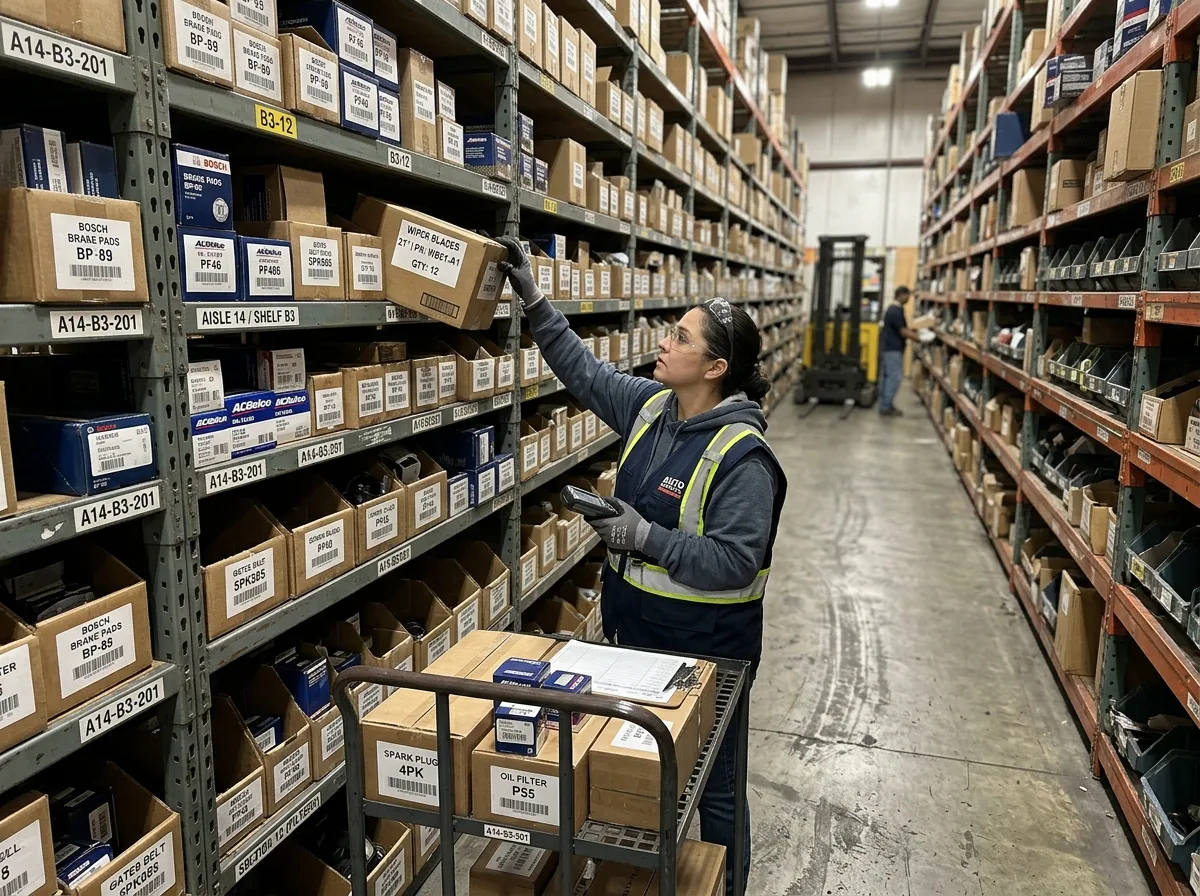
Visibility begins with raw materials. Each batch is assigned a unique identity using technologies such as RFID or barcodes. This ensures accurate inventory records, proper allocation, and reduced shortages or overstocking. Production starts with confidence when inputs are clearly tracked.
Work in Progress Tracking
Work in progress is where most complexity occurs. Real time tracking allows teams to understand where each batch is, how long it has been in a stage, and whether it is moving or delayed. This level of insight enables faster decisions and better control over production flow.
Finished Goods Tracking
Once production is complete, focus shifts to finished goods. Tracking ensures accurate stock levels, faster dispatch readiness, and better coordination with logistics. It closes the loop between production and delivery.
How Real Time Tracking Enables Full Visibility
Modern manufacturing uses track and trace systems powered by RFID, IoT, and integrated platforms. These systems capture data automatically at every stage, eliminate manual errors, and provide real time updates across departments.
Track and trace solutions create a continuous flow of information from raw materials to finished goods, ensuring full lifecycle visibility and transparency.
Key Benefits of End to End Manufacturing Visibility
Early problem detection allows teams to identify issues before they escalate. Reduced production delays help maintain consistent output. Improved decision making ensures actions are based on accurate data. Higher production efficiency reduces idle time and improves throughput. Accurate inventory management keeps stock aligned with actual usage. Enhanced quality control allows defects to be identified and corrected early. Better supply chain coordination improves overall operational flow.
The Role of Technology in Manufacturing Visibility
Achieving full visibility requires the integration of multiple technologies. RFID and IoT enable real time tracking of materials and assets. Manufacturing Execution Systems monitor and control production processes. ERP systems align inventory, planning, and execution. Automation reduces manual intervention and improves accuracy.
Together, these technologies create a connected and data driven manufacturing environment.
From Visibility to Control
Visibility is only the first step. True value comes from control. When manufacturers understand what is happening, where it is happening, and why it is happening, they can act faster and make better decisions. This shift moves operations from reactive to proactive.
Conclusion
Complete manufacturing visibility removes the gap between physical operations and digital systems. By connecting raw materials, work in progress, and finished goods through real time tracking, manufacturers gain better predictability, faster decision making, improved efficiency, and stronger operational control.
In today’s competitive environment, visibility is not an option. It is the foundation of modern manufacturing success.