
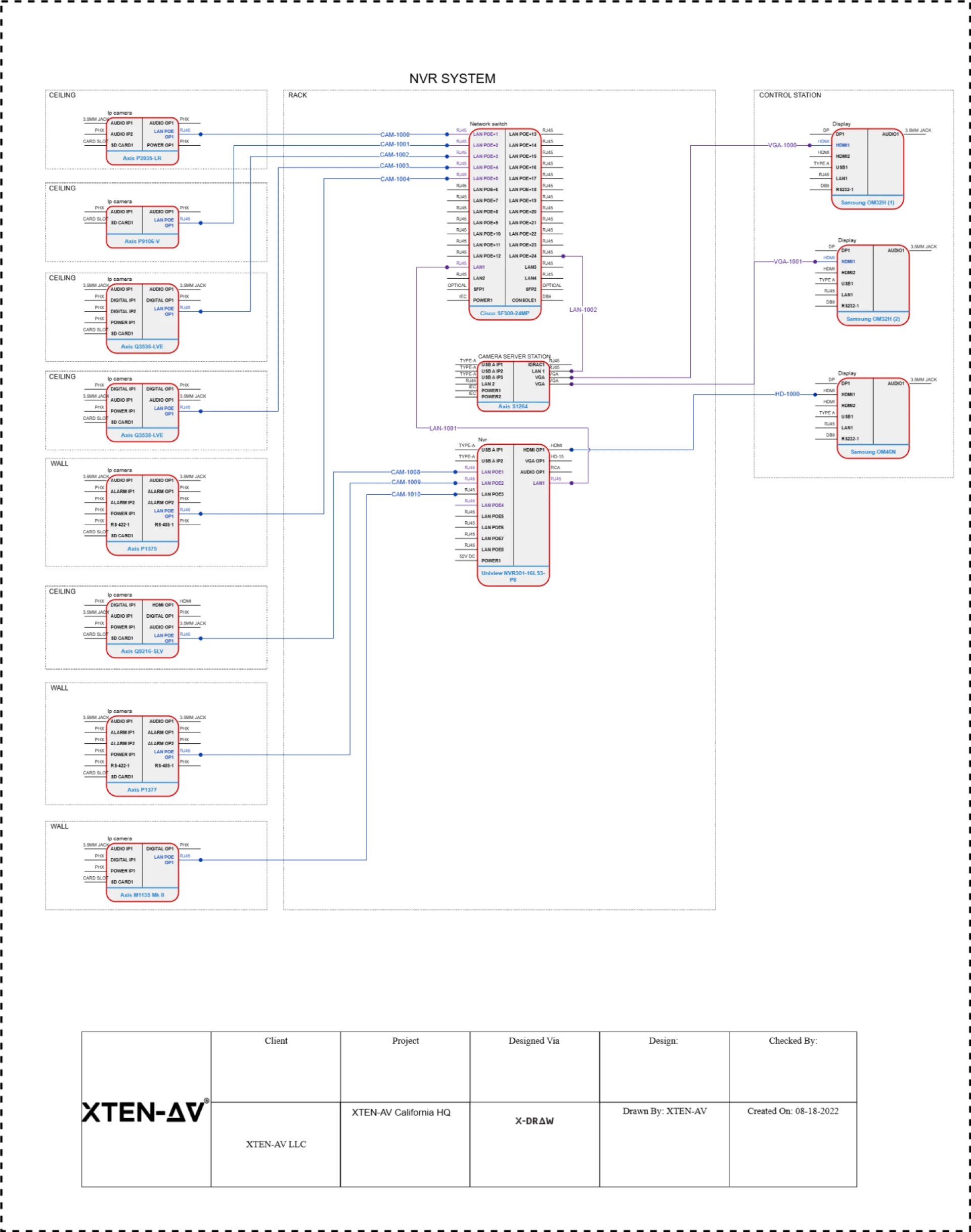
Network Video Recorder or NVR systems have become the backbone of modern security setups for homes and businesses. They offer better video quality, easier installation, and more advanced management features compared to traditional DVR systems. If you are new to security technology, understanding how NVR systems work and what benefits they offer can help you make a smart decision. This beginner guide explains everything you need to know about NVR systems, from how they function to the key features you should look for.
What Is an NVR Security System
An NVR system is a video recording solution that works with IP cameras. Instead of processing footage inside the camera recorder like DVR systems do, an NVR captures and stores video directly from network connected cameras. This means you get better resolution, clearer images, and more flexibility in installation. NVR systems use internet protocol technology to send and receive data, making them the ideal choice for modern surveillance.
How an NVR System Works
NVR systems rely on three main components which include IP cameras, a Network Video Recorder, and a stable network connection. IP cameras capture video and send it to the NVR through an Ethernet cable. The NVR receives the footage, processes it, and stores it on a hard drive. You can then access the footage through a monitor or a mobile app. Since the cameras and NVR communicate through a network, you can place cameras farther away without signal issues. This makes NVR systems more flexible compared to analog setups.
Types of NVR Systems
There are mainly two types of NVR systems which are PoE NVRs and Wireless NVRs. PoE NVRs use Power over Ethernet technology where a single cable provides both power and video transmission. This makes installation cleaner and more reliable. Wireless NVRs connect to cameras over WiFi which makes them ideal for homes where running cables is difficult. Both options have their advantages based on your space and security needs.
Benefits of Using an NVR System
One of the biggest benefits of an NVR system is high resolution video. IP cameras can record in 1080p, 4K, or even higher which gives you sharper and more detailed images. Another advantage is remote access. With an NVR system, you can check your camera feeds from anywhere using a mobile app. NVR systems also offer enhanced smart features such as motion detection, human detection, line crossing alerts, and AI powered video analytics. These features make it easier to monitor your property and identify threats quickly. In addition, NVR systems are easier to scale. You can add more cameras whenever needed without major changes to the system.
Essential Features to Look For in an NVR
When choosing an NVR system, look for features such as the number of channels. More channels allow you to connect more cameras. Also check storage capacity. A good NVR should support large hard drives and offer options for expansion. Look for smart detection features and remote access support. Make sure the NVR is compatible with high resolution cameras to avoid quality limitations. Another important feature is PoE support. PoE NVRs make installation easier and reduce the need for multiple power sources.
Where to Install an NVR System
The ideal location for an NVR is a secure area that is not easily accessible. Many people place their NVR inside a locked room, closet, or a network cabinet. Make sure there is proper ventilation because NVRs can generate heat during operation. Keep the device close to your router for stable network connectivity. For IP cameras, place them in strategic locations such as entry points, driveways, hallways, and outdoor areas. Proper installation ensures maximum coverage and better security.
Setting Up an NVR System
Setting up an NVR system is simple. Start by mounting your cameras at the right spots. Connect IP cameras to the NVR using Ethernet cables if you are using a PoE system. For wireless systems, connect cameras to your WiFi network. Once your cameras are connected, power on the NVR and connect it to a monitor. Follow the setup wizard to configure basic settings such as date, time, detection zones, and recording preferences. Finally, download the companion mobile app to enable remote monitoring.
Common Mistakes to Avoid
Beginners often make mistakes like choosing low resolution cameras, ignoring storage needs, or placing cameras too high or too low. Avoid using weak WiFi connections for wireless NVR systems because it affects video quality. Do not forget to secure your system with a strong password to prevent unauthorized access. Also avoid storing your NVR in an open or visible area because it can be easily tampered with.
Why NVR Systems Are the Future of Surveillance
As technology advances, NVR systems are becoming smarter and more powerful. With features like AI based detection, cloud backup, and remote access, they offer a level of security that traditional systems cannot match. Whether you are protecting your home or a business, an NVR system gives you reliability, clarity, and flexibility. As more users demand high quality surveillance, NVR systems will continue to be the preferred choice.
Conclusion
NVR security systems are easy to use, scalable, and ideal for modern security needs. They offer high resolution video, smart analytics, and complete control from anywhere. Whether you are a homeowner or a business owner, choosing an NVR system ensures long term protection and peace of mind. With the right setup and features, an NVR becomes a powerful tool in creating a safe and secure environment.
Read more: https://avfusionhorizon.weebly.com/blog/how-businesses-can-improve-security-with-nvr-systems