Roofing plays a crucial role in protecting a building from environmental elements while contributing to its overall aesthetics, energy efficiency, and structural durability. Choices Impact Roof Performance. Over centuries, roofing techniques have evolved significantly, transitioning from handcrafted traditional methods to technologically advanced modern systems. Both traditional and modern roofing approaches have their own strengths, limitations, and ideal applications.
Understanding the differences between them can help homeowners, builders, and architects make informed decisions. Below is a detailed comparison of traditional and modern roofing techniques presented in ten comprehensive points.

1. Materials Used
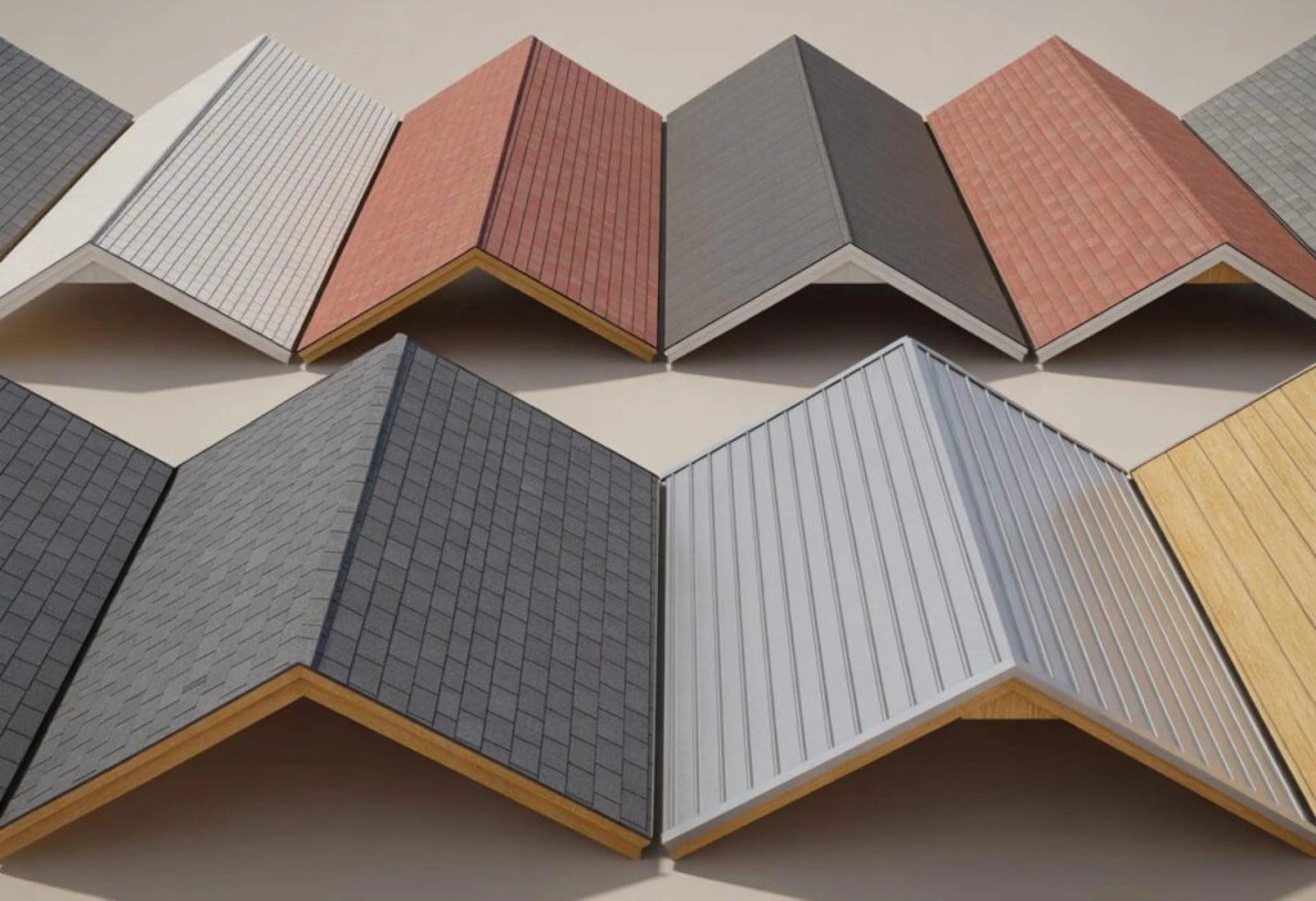
Traditional roofing - relied heavily on locally available natural materials. These included clay tiles, slate, thatch, wood shingles, and stone slabs. For example, clay tiles were widely used in Mediterranean regions due to their heat resistance, while slate was common in mountainous areas because of its durability and natural abundance.
Modern roofing - on the other hand, uses engineered materials such as asphalt shingles, metal roofing panels, synthetic membranes, composite shingles, and reinforced concrete slabs.
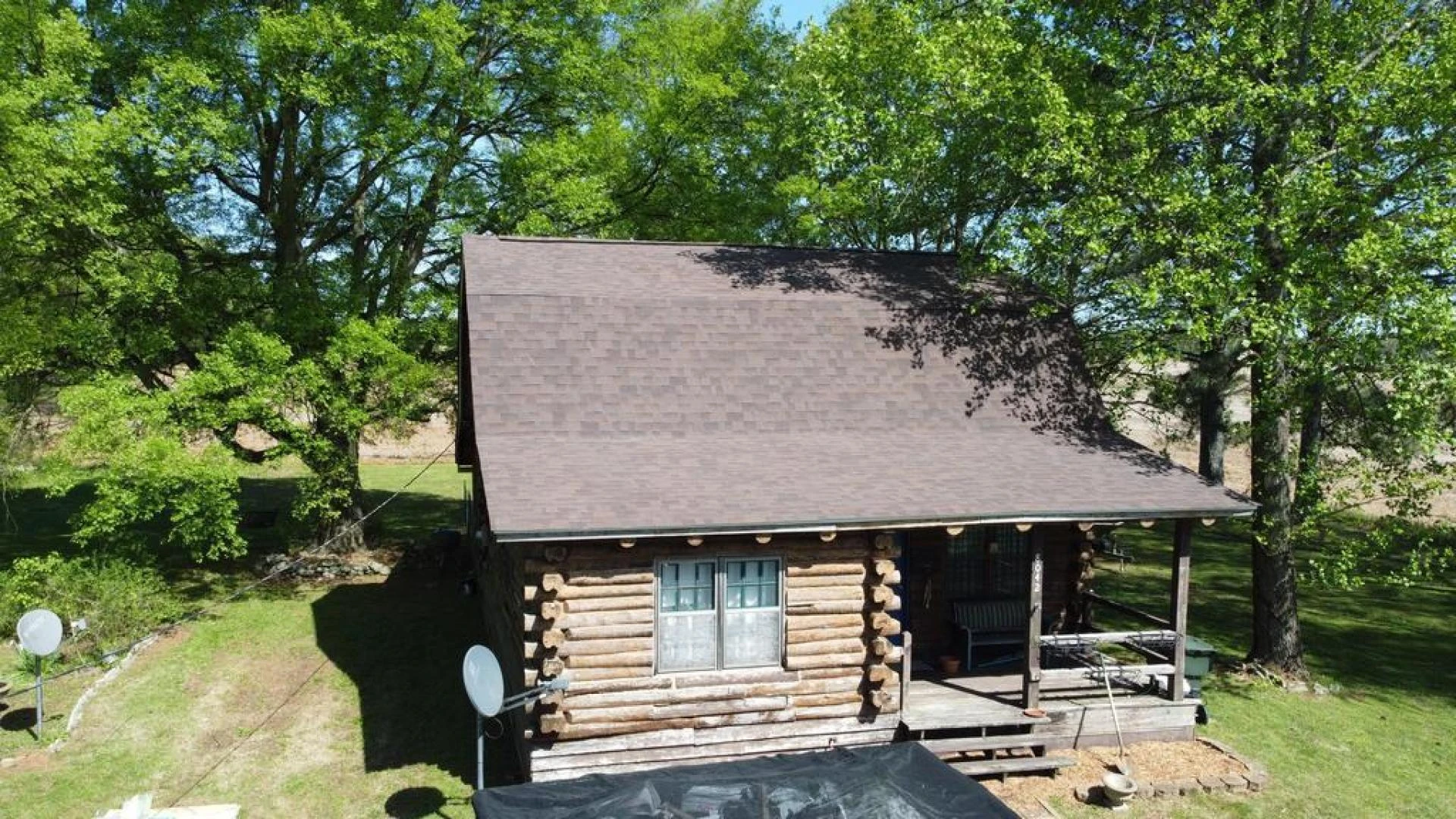
These materials are designed for performance, consistency, and cost-effectiveness. Asphalt shingles, for instance, dominate residential construction in many countries due to their affordability and ease of installation.
2. Installation Techniques
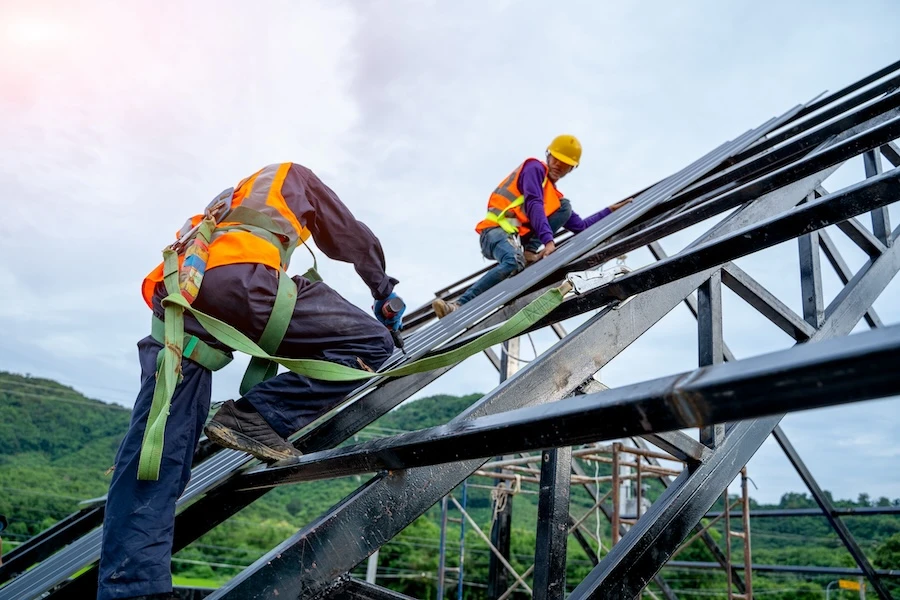
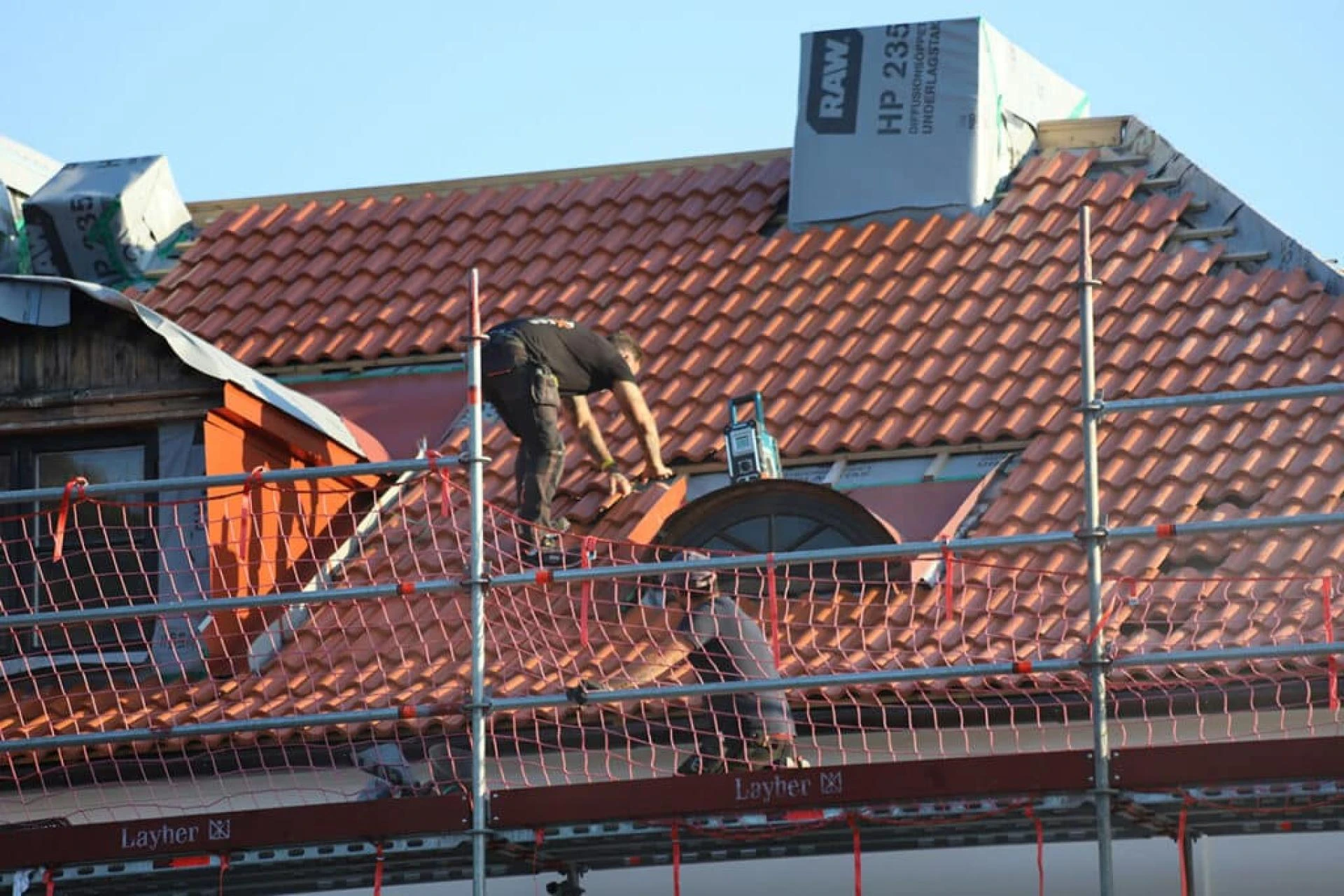
Traditional roofing - methods were labor-intensive and required highly skilled craftsmen. Installing slate or clay tiles involved precise placement, manual shaping, and careful layering. Thatch roofing demanded specialized expertise to ensure proper layering and waterproofing.
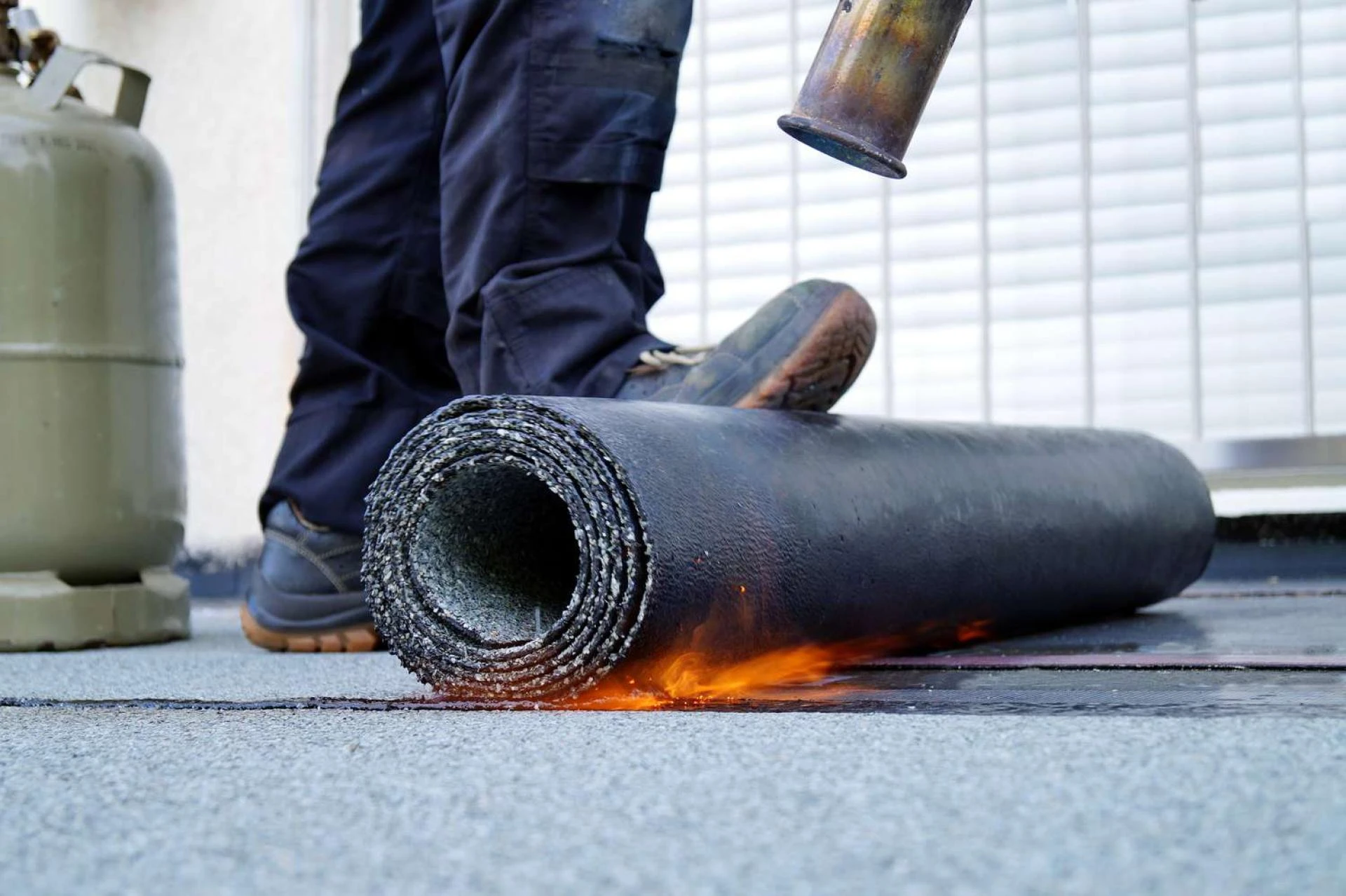
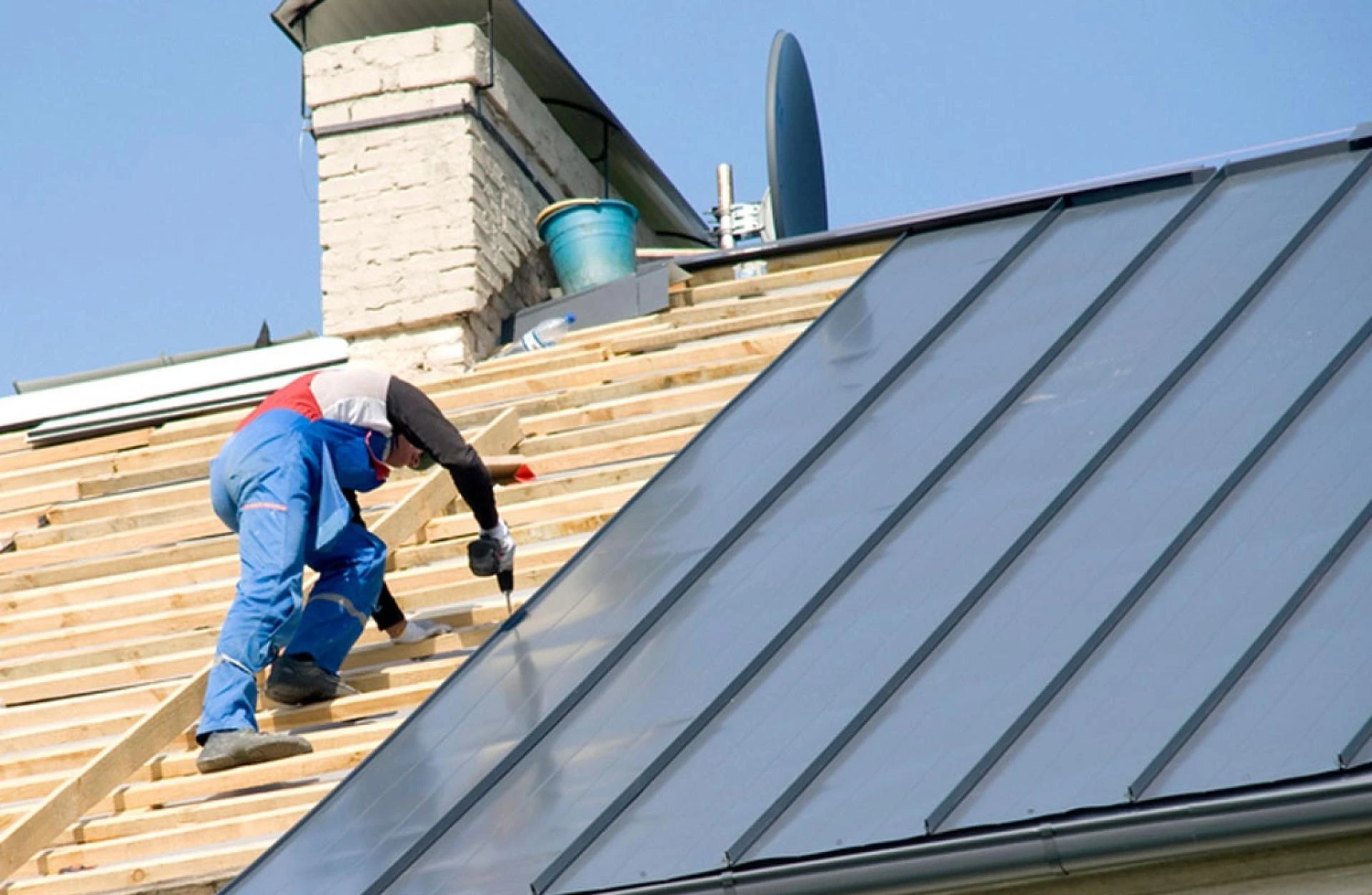
Modern roofing - techniques emphasize speed and efficiency. Pre-manufactured shingles, interlocking metal panels, and membrane systems can be installed quickly using standardized tools and procedures. Machinery and advanced fastening systems have significantly reduced installation time.
3. Durability and Lifespan
Traditional materials - like slate and clay tiles are known for exceptional longevity. A properly installed slate roof can last over 100 years, while clay tiles often exceed 50 years with proper maintenance. However, materials like thatch may require more frequent replacement.
Modern roofing materials - vary widely in lifespan. Asphalt shingles typically last 20–30 years, while metal roofs can last 40–70 years. Advanced membrane systems used in commercial buildings may last 20–40 years depending on maintenance and environmental conditions.
Traditional roofs often boast superior longevity in certain materials, but modern systems offer predictable performance backed by manufacturer warranties.
4. Aesthetic Appeal
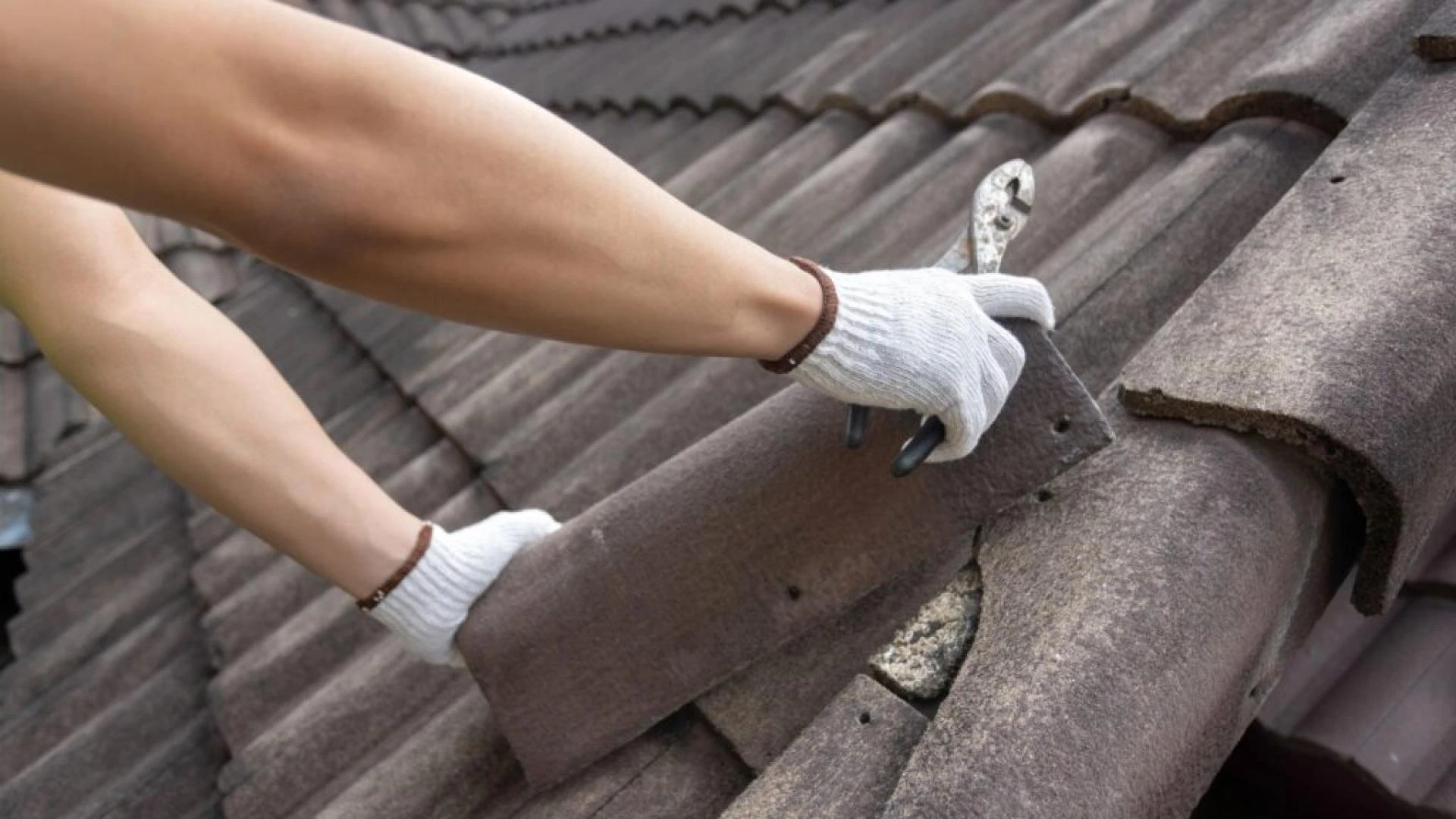
Traditional roofing - techniques are closely tied to regional architectural identity. Clay tiles in Mediterranean homes, wooden shingles in colonial houses, and slate in historic European buildings contribute to a timeless, authentic appearance. These roofs often enhance property value in heritage areas.
Modern roofing - offers a wide range of design flexibility. Today’s asphalt shingles come in various colors and textures, some even mimicking slate or wood. Metal roofing can be sleek and contemporary or styled to resemble traditional tiles. Flat roofing systems support minimalist architectural trends.
5. Energy Efficiency
Traditional roofing - materials offered passive climate control. Thick thatch provided natural insulation, while clay tiles allowed air circulation, reducing heat buildup in warm climates.
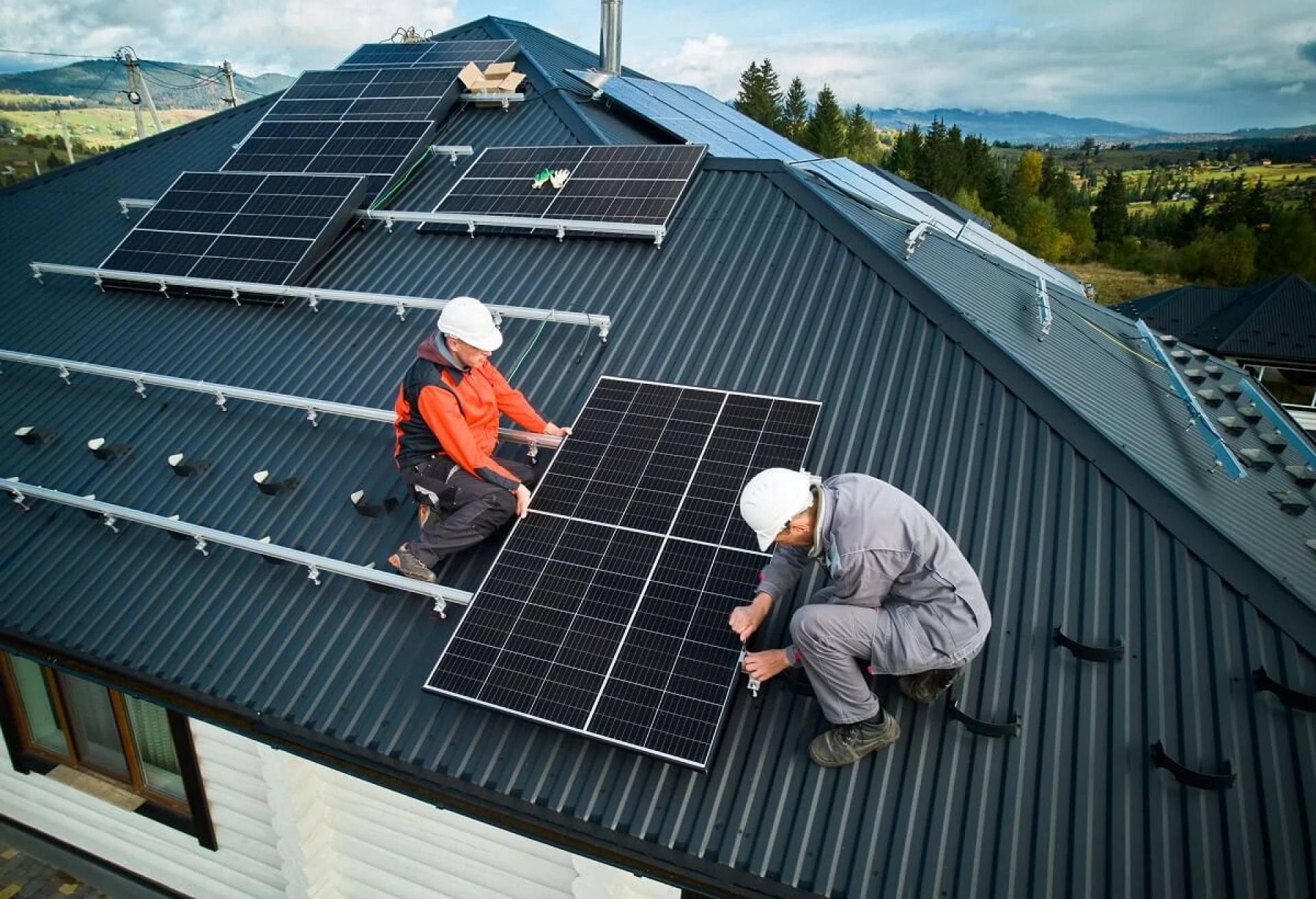
Modern roofing - systems integrate advanced insulation layers, reflective coatings, and ventilation systems. Cool roofing technologies reflect more sunlight and absorb less heat, lowering indoor temperatures and reducing energy consumption. Some modern roofs even incorporate solar panels and green roofing systems for sustainability.
6. Maintenance Requirements
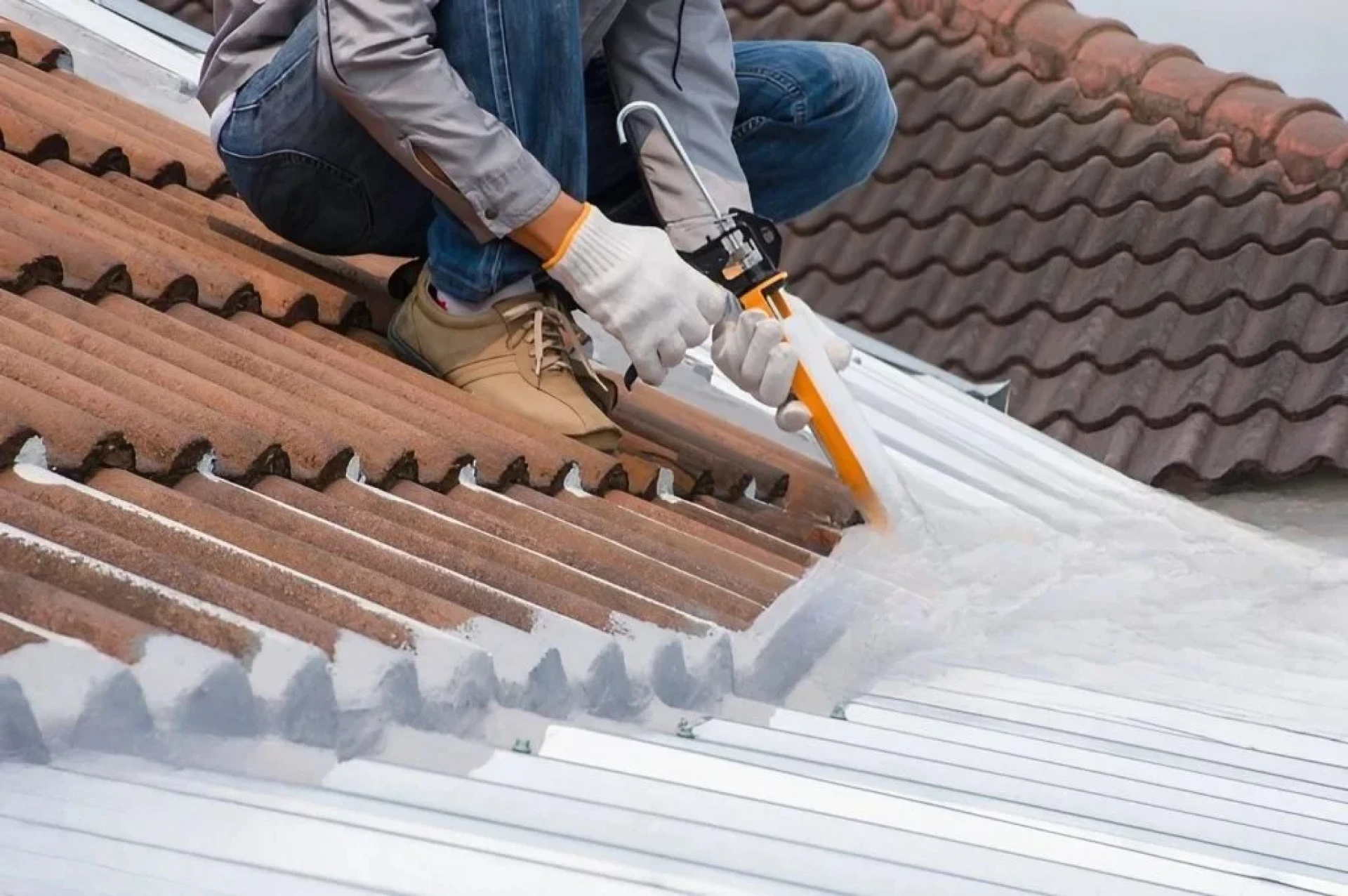
Traditional roofs - often require regular inspection and maintenance. Thatch must be replaced periodically, and wooden shingles may be vulnerable to rot or pests. Clay and slate tiles, while durable, can crack and require individual replacement.
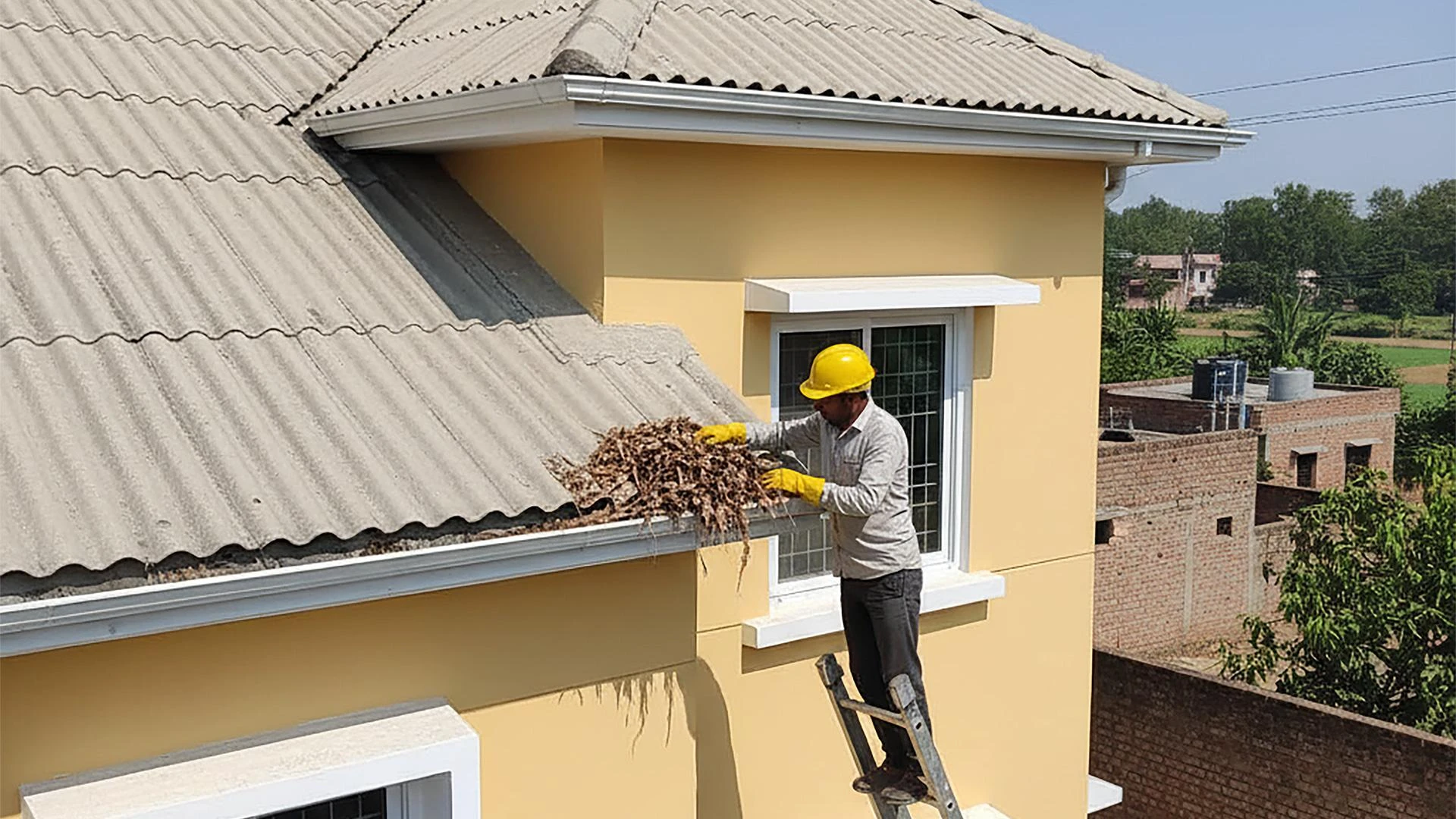
Modern roofing - systems are designed to minimize maintenance. Asphalt shingles and metal panels are relatively easy to repair or replace. Synthetic materials are often resistant to mold, algae, and insects.
7. Cost Considerations
Traditional roofing - can be expensive due to material sourcing and skilled labor requirements. Slate and clay tiles are heavy, requiring reinforced structural support, which adds to construction costs. Additionally, finding skilled craftsmen for traditional installation may increase labor expenses.
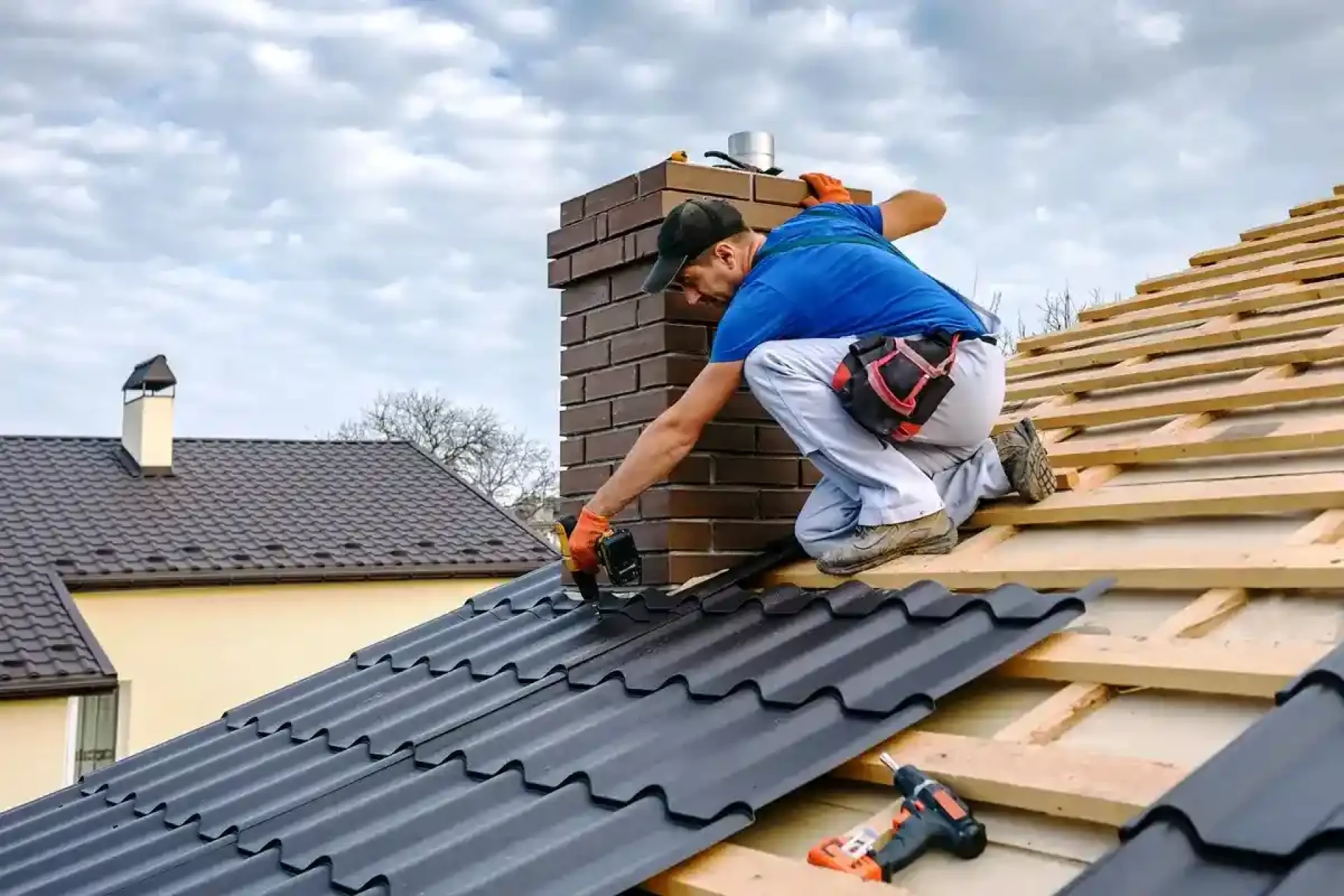
Modern roofing - systems are generally more cost-effective. Asphalt shingles are among the most affordable roofing options. Installation is faster, reducing labor costs. Industrial manufacturing also ensures consistent pricing.
8. Environmental Impact
Traditional roofing - materials are typically natural and biodegradable. Clay, slate, and wood have relatively low manufacturing impact compared to synthetic materials. However, deforestation and quarrying can still pose environmental concerns.
Modern roofing - materials sometimes rely on petroleum-based products and energy-intensive manufacturing processes. However, innovations have introduced recyclable metal roofing, energy-efficient reflective surfaces, and eco-friendly synthetic options.
9. Structural Compatibility
Traditional roofing - materials are often heavy. Slate and clay tiles require strong support structures, limiting their suitability for lightweight or prefabricated homes. Retrofitting older structures with heavy materials can be structurally challenging.
Modern roofing - materials are designed with structural flexibility in mind. Lightweight asphalt shingles and metal panels can be installed on various building types without significant reinforcement.
10. Technological Integration
Traditional roofing - methods were purely functional, focusing on shelter and durability. While effective, they lacked integration with modern building systems.
Modern roofing - incorporates technology such as solar integration, smart ventilation systems, moisture detection sensors, and advanced waterproofing membranes. Roofing systems can now be part of a building’s energy generation and climate control strategy.
Conclusion
The comparison between traditional and modern roofing techniques highlights a balance between heritage craftsmanship and technological advancement. Traditional roofing methods offer unmatched character, durability in specific materials, and cultural authenticity. They reflect regional identity and time-tested construction wisdom. However, they often require skilled labor, higher costs, and ongoing maintenance.
Modern roofing techniques prioritize efficiency, affordability, energy performance, and adaptability. With engineered materials and technological integration, they meet the demands of contemporary construction while offering diverse aesthetic options.
Ultimately, the choice between traditional and modern roofing depends on factors such as climate, budget, architectural style, structural requirements, and sustainability goals. It is always advisable to hire a professional architect to assess these factors carefully and recommend the most suitable roofing solution.
In some cases, a hybrid approach—combining traditional aesthetics with modern performance materials—provides the best of both worlds. By understanding these ten key points, homeowners and builders can make informed decisions that ensure durability, efficiency, and long-term value in their roofing investments.