
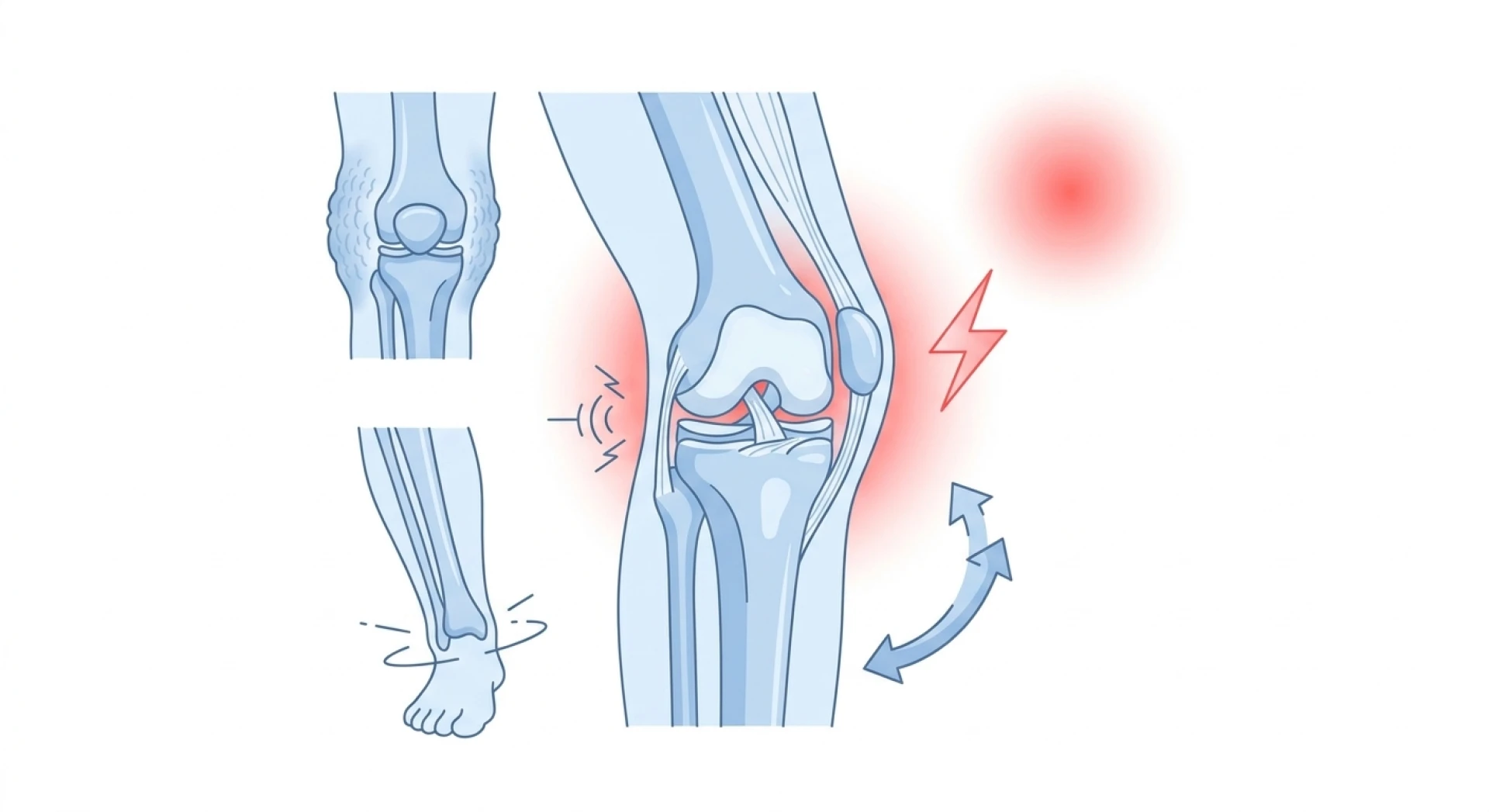
In today’s time knee pain is very common in public. Knee pain can be a result of serious injuries which includes, broken ligament or torn cartilage and sometimes medical conditions like infections, arthritis can also be common causes of knee pain, many types of knee pain can be recovered by self-care. Physical therapy and knee support also help to relieve pain, but sometimes in some cases you also may require surgery. The location of knee pain may vary, depending on the cause of the problem. Knee problem symptoms are swelling, crunching noises, redness, unable to walk properly, stiffness, instability, and popping noises.
Overview of Knee Anatomy
Our knees are made up of two parts, The part which is at the end of the thigh bone and the shin bone is called Tibiofemoral Joint, and the joint between the end of thigh bone and the kneecap is called Patellofemoral Joint. The joint is surrounded by a fluid called Synovial so it can keep the joint lubricated, the bones are covered by smooth joint surface which is Articular Cartilage it allows them to glide smoothly without friction. If by any chance the joint surface is damaged by wear and tear it can cause arthritis.
Most Common Symptoms of Knee Problems
The main cause of knee problem is aging process and strain on the joint of the knee are the cause of knee related issue like arthritis, injury can also cause other type of knee issues, the following are the most common symptoms of knee problems
Knee Pain (Sharp, Dull and Burning)
Knee pain Symptoms discomfort you will feel in your knee joints, the knee is the biggest joint of your body and it carries a lot of the weight as you move. that's why it is the most common injured joint. The pain in the knee joint can be temporary, short-term problem and long term problem. Knee pain comes and goes, for example you will feel pain in the knees while walking, bending running but it will disappear when you will take rest, people feel knee pain very often like in the morning after waking up, if you were active all day you will feel pain in the knees. You can self care the knee pain with over the counter (OTC).
Swelling and Inflammation
Swelling is the enlargement of the organ or body part, it is buildup of fluid in the tissue. Extra tissue can lead to increase in weight over a short period of time. Swelling can occur in the full body or it will occur in one part of the body. Inflammation is basically a part of our body which responds to the injuries and germs, it heals your body and helps you feel better, but if inflammation happens in your body without any injury it can harm your healthy body parts, symptoms of inflammation are discolored skin, not able to move the body part, skin feel hot in touch.
Stiffness and Limited Range of Motion
Stiffness is the sensation of tightness and cramps in the muscle, once in a lifetime you have also experienced muscle stiffness, it basically happens due to sleeping in a wrong position, stretching your body too hard, sitting at a place for too long, it all can lead to soreness and tightness in muscles, simple treatments can relieve and can loosen tight muscles. Limited Range of Motion is a term which means that a joint of your body cannot move through its normal range of motion, this motion may be limited due to the problem within a joint like swelling of tissue, stiffness in ligament or muscle, cause dislocation, fracture, infected joint.
Knee Instability or Weakness
Knee Instability is knee twisting or moving side to side while doing regular activities like jogging and walking. It can result in a range of causes, most likely ligament injury. The knee instability caused by ACL mostly happens in sports, PCL also known as dashboard injury specially caused in car accidents, MCL. Knee weakness is lack of strength in the knees and can make every movement uncomfortable and challenging. Every person experiences different knee pains like strong knee pain after a workout, others may feel pain in knees like it will give out while standing up from the chair or going down from the stairs. If you don't want insatiable or weak knees you just have to do some yoga, jogging and be active.
Popping, Clicking, or Grinding Sounds
The sound of Pop, Clicking or Grinding is called knee crepitus, its a sensation from the joint of the knee, it can be harmless like gas trapped under the kneecap or it can be a symptom of serious medical injury, if grinding is not accomplished by pain or swelling, it can cause due to air bubbles, or rubbing of cartilage on the soft tissue of the joint, but if you are feeling pain in knee grinding it can be a sign of joint damage, Painful Crepitus can be symptoms of Meniscus Tear, Osteoarthritis and PFS.
Locking or Catching Sensation
It occurs when a person can not bend or stand straight on their knees, It include injury on the area and inflammation of the joint, knee are the important joints of the body, from supporting a person's weight, knee allow everyday activities, like walking, jogging, climbing stairs, due to so much frequent use the which can cause to knee injury and can lead to locked knee, There are Two types of Locked Knees which are False locked knees and True locked knees, The false locked knees pain occurs when the knee pain trigger the knee muscle to spasm and contract. The true locked knee occurs when something prevents the knee from straightening.
Redness and Warmth Around the Knee
The Redness and Warmth around the knee specifies active inflammation caused by some kind of injury, infection or condition like arthritis, these type of symptoms require immediate action, especially if you are suffering from fever, inability to lift weight, warmness can come anywhere in your knees, but front and the back of the knees is where people feel mostly the warmness, it occurs in the knee after an accident, overuse injury and strain.
Difficulty Bearing Weight
Difficulty in bearing weight can significantly impact independence. This can make your daily activities like jogging, walking, exercising and standing, difficult and may restrict your ability to participate in your daily life, it basically can cause some serious injuries that are.
- Fracture: It is basically broken bones like tibia and fibula
- Arthritis: It can cause joint pain, inflammation and limited mobility
- Sprain and Strain: It is caused due to injury in ligament and muscle in the knee and it can make it impossible or painful to bear weight.
- Infection: Infected bones and joints can cause pain and difficulty in place weight on the leg
- Joint Dislocation: Dislocation in the knee can cause unbearable pain and can prevent weight bearing.
What Different Types of Knee Pain Indicate
Different types of knee pain generally indicate underlying issues ranging like ligament tear, damage to chronic conditions like arthritis, bursitis, patellar tendonitis. There are pin points of knee pain which are front knee pain, inner knee pain, outer knee pain and behind the knee pain.
Front Knee Pain (Patellofemoral Pain Syndrome)
It is the pain which occurs in the front knee around the knee cap. It is also known as the runner’s knee because it is more common in the people who run and play sports which involve running. The pain increases when you run, walk, or sit for a long period of time . The pain and stiffness caused by Patellofemoral Pain Syndrome. It can cause difficulty in climbing stairs, walking and many more activities . The significance factor of PFPS are problems with the alignment of the knee cap and the overuse by the athletes or training.
Inner Knee Pain (MCL Injury or Meniscus Tear)
The inner knee pain occurs when your inside part of the knee hurts. It is mostly common. Every type of injury like short term injuries, arthritis, MCL tear can cause.
MCL Injury - Medial Collateral Ligament which is a major ligament that’s located on the inner side of your knee . The tear can be partial or complete, a ligament basically is a band of tissue that connects one bone to another bone or holds organs in place. There are 3 types of MCL tears which are Grade 1, Grade 2, Grade 3.
Meniscus Tear - it is the most common knee injury mostly happens with the athletes those who play contact sports like rugby, football, volleyball, are at risk of meniscus tear. Anyone at any age can get their meniscus tear. When people are talking about the torn cartilage of the knee they are basically talking about the meniscus tear.
Outer Knee Pain (IT Band Syndrome)
It is a very common pain which occurs in the thigh or the outside of the hip most common in athletes and runners. It is an overuse injury due to repetitive friction of the IT band which moves along with the outside part of the hip and knees. It is usually caused by overtraining and sometimes it can happen due to natural physical conditions that can result in skeletal misalignment. Symptoms of knee pain are clicking, popping on the outside of the knee, stiffness, aching and burning on the outer side of the knee, pain that travels up and down to the entire length of the leg.
Pain Behind the Knee (Baker’s Cyst)
It is a small fluid which fills the bump in the back of your knees. It develops when something damages your knee joint or the tissue around it the damage drains out the extra fluid out of your knee. The fluid can only drain in one direction and that is out of the back of your joint, that is built from a sack that became the baker’s cyst. Symptoms of the baker’s cyst are knee pain, stiffness, trouble in bending your knees, swelling in your knees, calves and thighs.
Knee Injuries and Conditions Linked to Specific Symptoms
Knee swelling caused by injuries like twist, direct blow and common injuries involve damages to ligament, tendon and cartilage and the conditions linked to the specific symptoms are ACL and PCL injuries, Meniscus Tear, Osteoarthritis Rheumatoid arthritism, Tendonitis, knee bursitis.
ACL and PCL Injuries
The Anterior Cruciate Ligament is one of the four main ligament of the knee, it plays an important role in stabilising the knee joints by controlling the movement of the shin bone relative to the thigh bone., ACL provide the shinbone from sliding to far forward and help maintaining the stability of the knee during activities like stop, jump and change direction, symptoms of ACL are sudden and severe pain, swelling, instability and limited range of motion.
The Posture Cruciate Ligament is also a main ligament of the knee which is located at the back of the joint, its work is to stabilize the knee by preventing the shinbone from sliding to far from the thigh, Anterior Cruciate Ligament Treatment also help controlling the knee movement during activities like binding and weight-bearing. Causes of PCL injuries are falling on a bent knee, sport activities, direct trauma and the symptoms of the PCL injuries are difficulty in walking, pain and swelling.
Meniscus Tear
Meniscus Tear - it is the most common knee injury mostly happens with the athletes those who play contact sports like rugby, football, volleyball, are at risk of meniscus tear. Anyone at any age can get their meniscus tear.The meniscus can tear through acute trauma or as the result of degenerative that happens over time. The tears are noticed by how they look as well as where the tear occurs in the meniscus common type of tear include bucket handle, flap and radial. The acute meniscus tear often happens during sports, these occur in contact or non-contact sports injury like cutting injury, a pivoting.
Osteoarthritis of the Knee
Osteoarthritis of knee happened when the cartilage of your knee broke down and causing your bone to rub together. this rubbing cause pain and swelling in your knees which lead to stiffness it is a degenerative joint disease, it gets worse over time, its very common disease, and knee which carry your weight for the lifetime is the with the most common joint affected. It is a long term disease with no cure, it gets worse with time and can also lead to disability.There are 4 stages of Osteoarthritis,
- Stage 1 (Minor) - it means you got wear and tear in your cartilage in your knee without any pain.
- Stage 2 (Mild) - it is when you start feeling pain and stiffness in your knees. Because the cartilage is enough to keep grinding the bone
- Stage 3 ( Moderate) - if you are at this stage, it means your cartilage has reduced, and this causes more pain especially when you run, walk, and kneel, you will have stiffness or difficulty in moving the joint.
- Stage 4 ( Severe) - if you are at the last stage it means that the cartilage in your knees are almost gone leaving the bone to grind on each other when they move. You will feel stiffness, pain and not properly moving joint,
Rheumatoid Arthritis
It is a disease that can cause unbearable pain, swelling and stiffness in your joints. It mostly affects the joints in your fingers, hands, wrists, knees, ankles, feet and toes, it mostly occurs in the same joints on both sides of the body, which makes it different from some other arthritis. Uncontrolled inflammation and damaged cartilage, it works as a shock absorber in your joints there are 4 stages.
- Stage 1 - It starts with inflammation around the tissues of your joints, you may feel some joint pain and stiffness .
- Stage 2 - The inflammation has started to damage the cartilage in your joints, you will feel joint pain and stiffness.
- Stage 3 - the inflammation is extremely bad that it start to damaging your bones, you will feel more pain, stiffness and less range in motion than the upper two stages,
- Stage 4 - In the final stage the inflammation will stop but your knee's condition will keep getting worse, you will have extreme pain, swelling and loss of mobility.
Tendinitis (Jumper’s Knee)
It's an injury that occurs in the tendon which joins the kneecap to the shinbone. The tendon works with the muscles at the front of the thigh to help straighten the knee. It is called the jumper's knee. Mostly happens to athletes who play sports which involve jumping like basketball and volleyball. And the people who don't play jumping sports can also get patellar tendinitis. The symptoms of Jumper knees are knee pain in front knees, stiffness.
Knee Bursitis
It is basically a condition in which one or more small fluid-filled sacs near the knee joint become inflamed. The sacs are called bursae. It reduces friction and pressure points between bones, tendons, muscles and skin near the joints. The bursae in the knee can be affected by painful swelling, also called inflammation. Mostly knee bursitis happens over the kneecap or on the inner side of the knee below the joint. The knee bruising caused by direct blow on the knee, overuse of knee.
When to See a Doctor for Knee Pain
When home remedies and OTC aren't working and the knee pain is getting worse, it's time for you to call the doctor, you should see a doctor if you are having a extreme knee pain which is affecting your function and the ability to exercise, another time you would want to call a doctor is when you will have an acute pain in the knee. Signs of acute injury are swelling in the knee, buckling and collapsing, , your doctor will want to further assess your knee injury and discuss treatment options and pain control. If you are unsure about what to do in the pain, like if your knee pain is getting better by the home remedies it is a good sign of knee healing, but if the knee pain is getting worse seeking further attention is important.
Diagnosis and Medical Evaluation
Physical Examination
Physical examination is the process of analysing objective anatomy through the use of observation, palpation. The information obtained must be thoughtfully integrated with the patient's history and pathophysiology. Moreover, it is a unique situation which are showing patient and physician that can understand the interaction is intended to be diagnostic. The physical examination, thoughtfully performed, should yield 20 percent of the data necessary for patient diagnosis and management.
Imaging Tests (X-ray, MRI, CT Scan)
X-ray - it is also known as the Radiograph, its work is to send radiation to the body, in the area where there is high level of calcium (bones and teeth) they block the radiation which help them to appear white in the image, the soft tissue help the radiation to pass through them and the tissue became grey or black on the image. X-Ray is the fastest way to form an image, X-ray only takes a few minutes to examine. X-ray allows us to see major problems with bones, X- ray are majorly used for fracture, dislocation and misalignment.
MRI- It is a magnetic resonance imaging, it uses a powerful magnet to send radio waves through the body, the protons in the body reacts to the energy and create a highly detailed picture of our body structure which include soft tissues, nerve and blood vessels, MRI doesn't use any type of ionizing radiation, MRI can be done in 10 minutes or less, MRI is a highly specialised machine which is not available in all the hospitals, MRi is specially used for Spinal injuries, cartilage loss and joint inflammation
CT Scan - IT is a computed tomography test, which sends radiation through the body, unlike the X-ray study, it offers a much higher level of details like creating computerised 360 degree view of our body structure, CT scans are fast and detailed, they take longer time than x ray but are still fast like a minute, this makes them perfect for emergency situation, CT scan can spot blood clot, organ injuries and bone fracture,
Laboratory Tests
These test measures different part of the immune system which are important to diagnose an individual with Primary immunodeficiency (PI) and determine which of the different conditions they may have, these tests are usually promoted by individuals experiencing clinical symptoms, an accurate medical history, family history and physical examination, are critical in developing the best strategy for laboratory, this begins with screen testing, if the clinical problem includes infection then the type of microorganism causing infection, the site of infection and the therapies required to treat the infection helps in the laboratory study, The most common laboratory test to evaluate the immune disorder are antibody deficiency, cellular defect, complement deficiencies and neutrophil disorder.
Treatment Options Based on Symptoms
Home Remedies
Home remedies are not only effective but are also not costly, these remedies are from generations in India, the best natural treatment that can help reduce knee pain and improve mobility.
Turmeric - it is very useful with its active compound curcumin, it is a powerful anti-inflammatory and antioxidant, it basically helps in reducing the inflammation and pain, which makes it perfect for knee pain relief.
Ginger - it is known for its anti-inflammatory properties and it can help in relieving the joint pain. It helps in better circulation, reducing swelling and stiffness.
Mustard Oil - it is mostly used in Indian households for its healing properties, it helps in enhancing blood circulation, reducing pain and inflammation in the knee.
Ashwagandha - it is considered as the powerful herb for knee pain and inflammation .
Physical Therapy and Exercises
If you are having problems which are affecting your knees or if you have knee problem here are some exercises which you should try which can help to reduce the knee pain and will give you relief.
Straight-leg raise - sit back on your chair with a straight back, now straighten and raise your one leg, hold it for 10 seconds and then slow your leg down, do it for 10 times each leg.
Muscle stretch - lay down on your back with a rolled towel under the ankle of your leg, bend the other leg to the knee, use the muscle of your straight leg to push the back of your knees toward the bed or the floor. Repeat this for 5 times with each legs.
Leg stretch - sit on the floor with your leg stretched straight in front of you, now slowly bend your one knee toward your chest, sliding your foot along the floor,until you feel a stretch after that hold it for 5 second, straighten your leg as long as you can and hold it for 5 seconds and now repeat it for 10 times with each legs.
Straight leg raise (lying) - first lay down on the floor and then bend one leg at the knee, hold your one leg straight and lift your foot up from the floor. Hold it for 5 second then lower, repeat it for 5 times with each legs.
Medications and Injections
Medication - There are several medications for knee pain including OTC drugs, prescription options, injections, the best knee pain varies between individuals, it can start slowly and can get worse over time. The medication a person will take will depend on the cause of the pain. Medications are- Nonsteroidal anti-inflammatory drugs, Acetaminophen.
Injection - if a person is suffering from severe pain from injuries or illness like arthritis, a doctor may administer an injection to treat the knee pain, Doctor may recommend hydrocortisone and hydrochloric acid injections.
Surgical Treatment Options
The knee pain can be more than an inconvenience, it can be a barrier to the joy of your daily life. It can be an obstacle to your activities and can be a source of discomfort there are different types of knee surgeries
- Total knee replacement
- Partial knee replacement
- Knee cap surgery
- Complex knee surgery
Prevention Tips for Knee Problems
- Maintain a healthy weight
- Protect knees from injuries
- Treat injuries promptly
- Kick the habit
- Pay attention to pain
- Eat healthy diet
- Practice good posture
- Take care in selecting footwear
- Be good to your bones
Conclusion
Knee pain can affect your daily life, limited range of motion and overall quality of life, for the patient with structural damage and pain. Surgical intervention such as arthroscopy or total knee replacement. Ligament reconstruction provides an effective and long-term solution. In this topic you will get to know about types of knee pain, what precaution you should take while suffering from knee pain, what kind of surgery needed for knee, signs of knee injury, symptoms of knee pain and what causes knee swelling, what kind of exercise you should do for knee pain and home remedies.