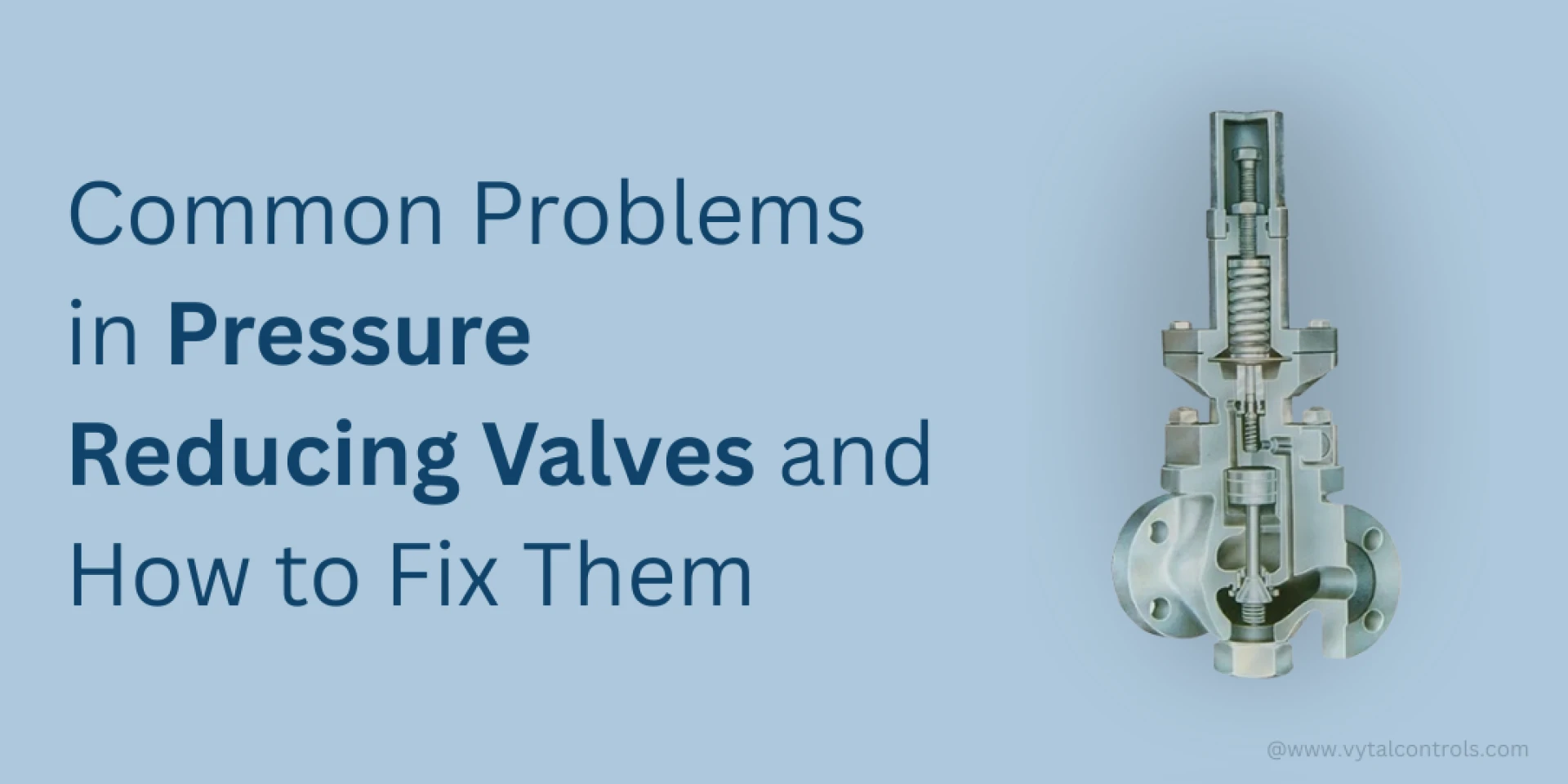
A Pressure Reducing Valve (often called a PRV) is one of the most important components used in steam, water, air, and gas systems to maintain safe operating pressure. It ensures that the outlet pressure remains stable, even when the inlet pressure fluctuates. In industries like power plants, oil & gas, manufacturing, chemical processing, and HVAC systems, a PRV plays a vital role in protecting equipment, preventing damage, and ensuring efficient workflow.
However, like all mechanical devices, a PRV can develop problems over time. These issues affect system performance, waste energy, and may even pose safety risks. In this article, we will explain the most common problems in Pressure Reducing Valves, why they happen, and how you can fix them. The goal is to help you understand your valve better and maintain your system more efficiently.
1. Pressure Fluctuation in Outlet Line
What’s the problem?
You may notice that the outlet pressure keeps going up and down instead of staying constant.
Why it happens
- Worn-out diaphragm
- Loose or damaged valve seat
- Dirt or dust blocking internal parts
- Incorrect spring adjustments
- Unstable inlet pressure
How to fix it
- Clean the valve thoroughly to remove dirt or debris.
- Replace diaphragm and seat if they are worn.
- Adjust the spring setting to recommended values.
- Stabilize inlet pressure by checking upstream components.
This is one of the most common issues with a PRV Valve, and a timely inspection usually solves it.
2. Water Hammer, Vibration, or Unusual Noise
What’s the problem?
You may hear loud banging noises, vibrations, or rattling when the valve operates.
Why it happens
- Sudden changes in water flow
- Trapped air inside pipes
- Flow velocity is too high
- Loose or worn-out internal components
How to fix it
- Reduce flow velocity to recommended level.
- Install air release valves to remove trapped air.
- Inspect internal parts and tighten/replace loose components.
- Use proper piping support to reduce system vibration.
Regular inspection prevents this issue from damaging other pipeline components.
3. PRV Not Reducing Pressure Properly
What’s the problem?
The valve is supposed to reduce high inlet pressure, but the outlet pressure remains too high.
Why it happens
- Incorrect valve installation direction
- Blocked filter or strainer
- Damaged diaphragm
- Wrong spring adjustments
- Excessive scaling or rust inside the valve
How to fix it
- Check the valve flow direction (follow the arrow marking).
- Clean the filter or replace it if clogged.
- Replace damaged diaphragm or parts.
- Adjust the spring gradually until required pressure is achieved.
- Descale or clean internal components.
Improper installation is a major reason for this malfunction.
4. External Leakage Around the Valve Body
What’s the problem?
Water, steam, or fluid starts leaking from the valve body or surrounding connections.
Why it happens
- Worn-out seals or O-rings
- Loose bolts or fittings
- Excessive system pressure beyond PRV capacity
- Cracks or corrosion in valve body
How to fix it
- Replace seals and O-rings regularly.
- Tighten bolts and fittings carefully (avoid over-tightening).
- Use a valve with correct pressure rating.
- Replace damaged or corroded body parts.
Leakage is a serious issue and should be addressed immediately to avoid accidents.
5. Slow Response Time or Delayed Pressure Control
What’s the problem?
The PRV takes a long time to adjust pressure when there is a sudden demand change.
Why it happens
- Dirt or rust buildup
- Sticking piston or diaphragm
- Lack of lubrication
- Clogged pilot valve in pilot-operated PRVs
How to fix it
- Clean the valve thoroughly.
- Lubricate moving parts as recommended.
- Replace any part that is corroded or stuck.
- Inspect and clean the pilot valve section.
Slow response reduces energy efficiency and affects overall system performance.
6. Wrong Valve Size Selection
What’s the problem?
Oversized or undersized valves cause multiple performance issues such as instability, noise, and poor pressure control.
Why it happens
- Incorrect sizing calculations
- Not considering minimum/maximum flow requirements
- Selecting based on pipe size instead of flow characteristics
How to fix it
- Conduct proper flow and pressure calculations.
- Refer to manufacturer sizing charts.
- Replace with correctly sized PRV for optimum performance.
Correct sizing is the foundation of reliable operation.
7. Poor Maintenance and Lack of Inspection
What’s the problem?
The PRV does not work efficiently due to long-term neglect.
Why it happens
- No scheduled maintenance
- Failure to clean strainers
- Using non-standard spare parts
- Ignoring early warning signals like noise or leakage
How to fix it
- Create a routine maintenance schedule.
- Clean strainers and filters frequently.
- Use genuine spare parts.
- Train technicians to detect early signs of valve failure.
Preventive maintenance saves both time and money in the long run.
Best Maintenance Practices for Pressure Reducing Valves
To ensure long-lasting performance, follow these best practices:
- Install a strainer before the PRV to avoid dirt entry
- Maintain proper inlet pressure conditions
- Regularly inspect diaphragms, seats, and springs
- Avoid oversizing the valve
- Clean and lubricate internal components
- Replace worn-out parts on time
- Conduct quarterly or bi-annual maintenance depending on usage
These preventive steps reduce downtime and extend the valve's lifespan.
Why the PRV Valve Is Essential in Industrial Systems
A PRV Valve offers several important benefits:
Ensures safe working pressure
Protects sensitive equipment
Reduces chances of burst pipes or leaks
Improves energy efficiency
Enhances system reliability
Supports smooth and stable operations
This makes the PRV a vital part of steam systems, pressure networks, and industrial process pipelines.
Conclusion
The Pressure Reducing Valve is an essential component in any pressure management system. But like all mechanical devices, it can face problems due to wear, dirt, incorrect installation, or lack of maintenance. By understanding common issues such as pressure fluctuations, leakage, water hammer, and slow response, you can take timely action to fix them.
With regular inspection, correct sizing, and proper maintenance, you can ensure long-term, efficient, and safe operation of your PRV Valve. This helps reduce downtime, save energy, and maintain stable pressure across your entire system.