
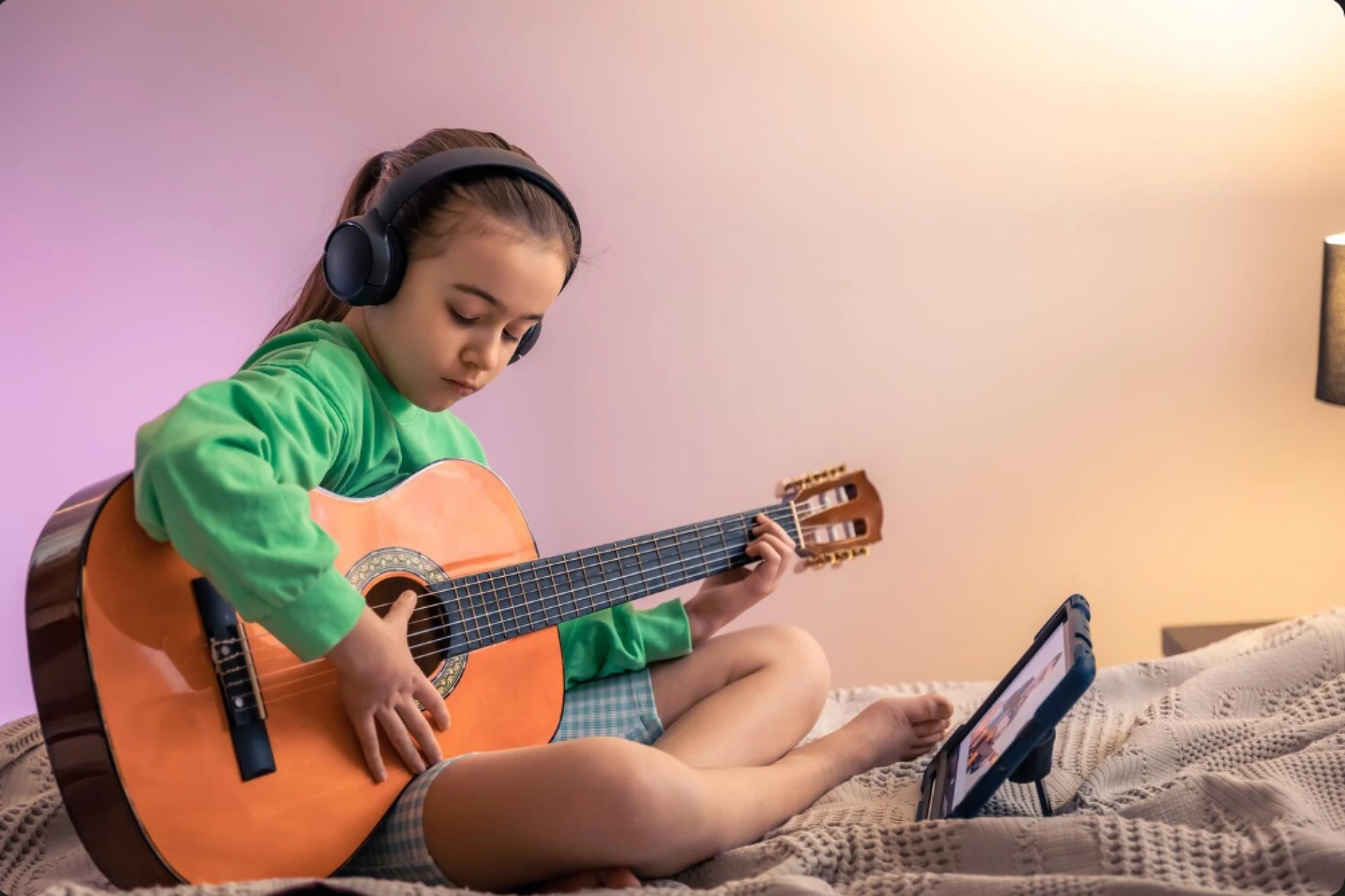
Choosing music lessons for children can be an exciting step for any parent. Whether your child has shown early interest in an instrument or you simply want to introduce them to the joys of music, finding the right lessons matters more than most people think. But with so many options out there — different teachers, schools, styles, and even instruments — it’s easy to make a few missteps along the way. To help you navigate the process more smoothly, here are some common mistakes to avoid when choosing music lessons for your child.
1. Choosing Based on Price Alone
It’s natural to look at cost when considering lessons, especially if you’re not sure whether your child will stick with it. But choosing a music program just because it’s the cheapest can backfire. Lower prices sometimes reflect less-experienced teachers, overcrowded group lessons, or limited one-on-one attention. While you don’t need to splurge on the most expensive school, look for value — a teacher who connects with your child, a comfortable environment, and a structure that encourages steady progress.
2. Ignoring the Teacher’s Personality and Teaching Style
No two music teachers are the same. Some are more relaxed and nurturing, while others may be structured and technique-focused. Neither is wrong, but what matters is how your child responds. A great teacher for one child might not be a good fit for another. If your child feels intimidated or bored, they’re less likely to stay motivated. Whenever possible, sit in on a trial lesson or meet the teacher beforehand. Pay attention to how they engage with your child and whether they seem genuinely interested in teaching kids.
3. Forcing a Specific Instrument
It’s tempting to choose an instrument for your child — maybe the piano seems practical, or the violin is what you played growing up. But forcing an instrument without involving your child in the decision can lead to frustration later. If they aren’t excited about what they’re playing, practice becomes a chore. A better approach is to expose them to a few different instruments, see what they’re drawn to, and make the decision together. A child who’s curious about the drums or guitar is more likely to stick with lessons than one who’s handed a flute without a say.
4. Overlooking the Importance of Location and Schedule
Even the best music program won’t be effective if it’s hard to get to or doesn’t fit your family’s routine. Parents often underestimate the impact of logistics. If lessons are across town during rush hour, or they conflict with sports or schoolwork, attendance and enthusiasm will start to drop. Look for something that works with your weekly schedule and won’t cause unnecessary stress. Consistency is key — and that’s easier to maintain when lessons are convenient.
5. Expecting Immediate Results
Learning music takes time. A few weeks in, you might not hear anything that resembles an actual song, and that’s okay. One common mistake is putting too much pressure on kids — or their teachers — to show fast results. This can quickly turn what should be an enjoyable activity into a stressful one. Instead, focus on small wins, like learning a new note or rhythm, and celebrate your child’s effort, not just the outcome.
6. Not Considering Your Child’s Learning Style
Some children thrive in group settings, while others do better one-on-one. Some respond well to visual aids, while others need hands-on learning. When choosing music lessons for children, it’s helpful to think about how your child learns best in other areas. Don’t assume that just because a school has a good reputation, it’s automatically the right match. Tailoring the lesson style to your child’s needs can make a big difference in their enjoyment and progress.
Conclusion
Starting music lessons is a meaningful journey for both children and parents — one that can nurture creativity, discipline, and confidence. But to make the most of it, it’s important to avoid common mistakes like choosing based on cost alone, overlooking the teacher-student connection, or forcing a specific instrument. By paying attention to your child’s personality, preferences, and learning style, you’ll be more likely to find a program that fits — and encourages a lifelong love of music.