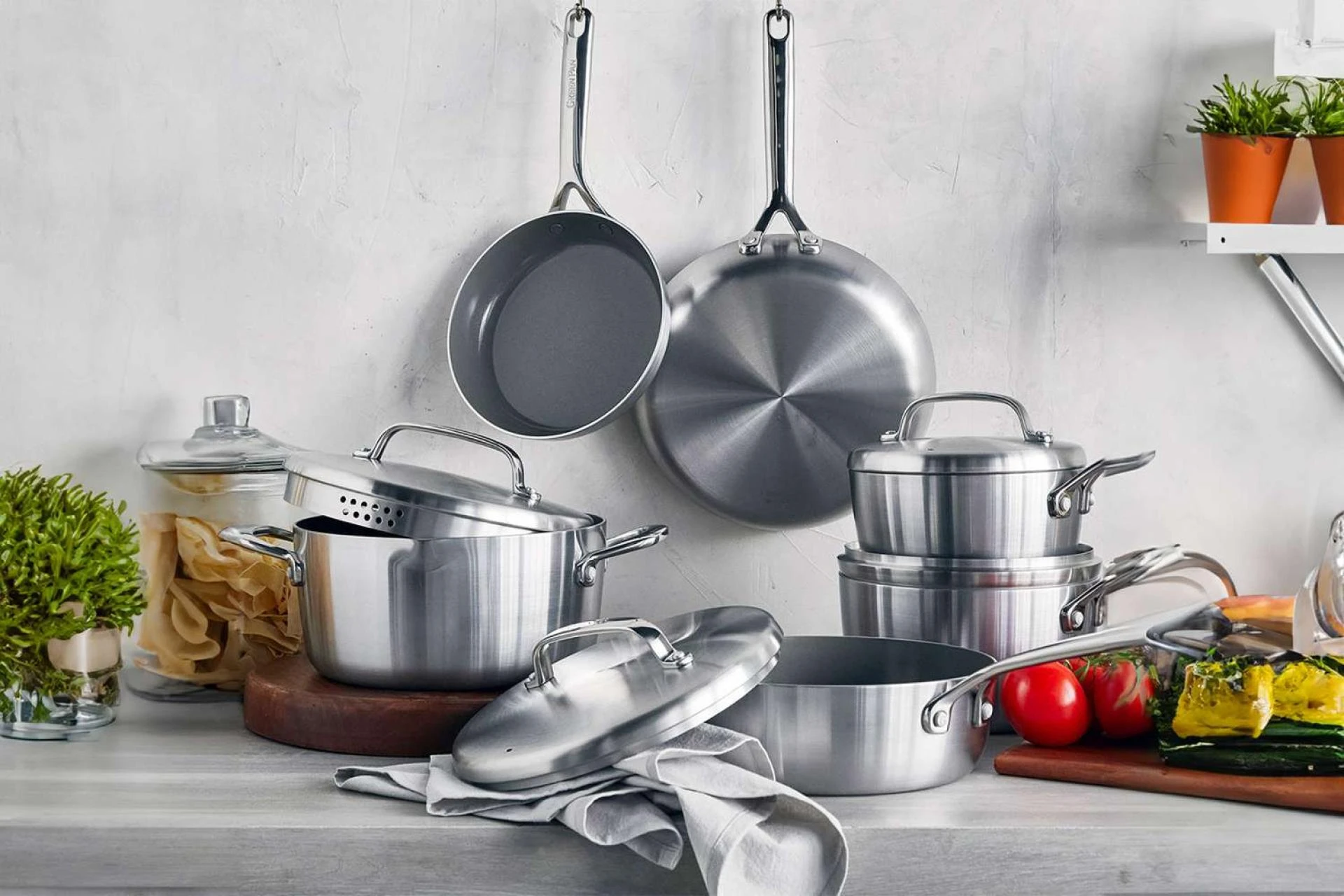
Buying Cookware on Sale can feel tempting, especially when the discounts look generous and the options seem endless. Shoppers often rush to pick attractive pieces without checking the details that matter. This can lead to poor choices, wasted money, or cookware that never fits real cooking needs. A good purchase starts with simple checks such as material, size, durability, and compatibility with daily use. The goal is not only to save money but to bring home cookware that lasts. With a few careful steps, anyone can shop smarter and avoid common mistakes during sale season.
Mistake 1: Ignoring the Material
Many buyers focus only on price and overlook what the cookware is made of. Stainless steel, cast iron, nonstick, and aluminum all behave differently on heat. Low-quality nonstick coatings wear out quickly. Fragile aluminum can warp. Cast iron is durable but heavy for some users. Before buying, it helps to match the material with cooking habits. Daily cooking needs sturdier pieces, while occasional cooking can work well with lighter options.
Mistake 2: Forgetting Stove Compatibility
This small detail can affect everyday use. Some Cookware on Sale does not work on induction. Others heat unevenly on gas or electric stoves. Sale items often hide this information in small print. Buyers can avoid frustration by checking the base for induction marks, flat bottoms, and sturdy construction. Correct compatibility improves heat control and overall performance.
Mistake 3: Choosing the Wrong Size or Set
Large sets on sale may look like a bargain, but they often include pieces that never get used. Single households need smaller pans, while families need wider pots. Oversized or undersized cookware can slow cooking or waste energy. A practical approach is to buy pieces that match daily meals rather than picking sets just because they seem cheap.
Mistake 4: Buying for Looks Instead of Function
Design matters, but performance matters more. Bright colors and stylish finishes can draw attention during sales. However, weak handles, thin walls, and poor coatings reduce lifespan. Cookware must feel steady in the hand and sit flat on the stove. A good test is to check the handle grip, lid fit, and surface thickness. Looks fade quickly if the cookware cannot handle everyday heat.
Mistake 5: Skipping Warranty and Return Policy Checks
Sale items should still offer clear protection. Some discounted pieces come with limited warranties or no return options. This can cause trouble if the cookware chips, warps, or arrives defective. Before buying, it helps to check brand reliability and support. A small review of the return policy protects the purchase even when the price seems attractive.
Mistake 6: Overlooking Maintenance Requirements
Upkeep often decides how long the cookware lasts. Different cookware needs different care. Cast iron requires seasoning. Nonstick needs gentle cleaning. Stainless steel needs proper heat control. When buyers skip maintenance checks, they end up with cookware that feels difficult to manage. Understanding the care instructions makes the purchase easier to use for years.
Conclusion
Sale season can be a great time to buy Cookware on Sale, but a few quick checks help shoppers avoid common mistakes. Buyers gain more value when they look beyond the discount and focus on strength, size, stove type, and warranty. Simple steps like reading labels, testing handles, and comparing materials can make a big difference. The goal is not only to save money but to choose cookware that works well for everyday meals. When shoppers stay mindful of these points, they enjoy long-lasting cookware and better kitchen results.