Landscape design plays a major role in how an outdoor space looks, functions, and feels over time. While many homeowners start with good intentions, common design mistakes can lead to high maintenance, poor plant health, and underwhelming results. The good news is that most of these issues are avoidable with proper planning and informed choices. Understanding where landscape designs often go wrong makes it easier to create a space that is both beautiful and practical.
Skipping the Planning Stage
One of the most common landscape design mistakes is starting without a clear plan. Jumping straight into planting or construction often results in disjointed layouts and wasted space. A successful landscape design begins with identifying how the area will be used, whether for entertaining, relaxation, or family activities. Mapping out walkways, seating areas, and focal points in advance ensures the landscape flows naturally and meets long term needs.
Choosing Plants Without Considering the Environment
Selecting plants based only on appearance can cause ongoing problems. Plants that are not suited to the local climate, soil, or sunlight struggle to survive and require constant care. Choosing native or climate appropriate plants leads to healthier growth, reduced water use, and lower maintenance. Understanding site conditions before planting creates a landscape that thrives naturally.
Overcrowding Plants
Planting too closely together is a mistake that becomes more evident as the landscape matures. Young plants may look sparse initially, but most expand significantly over time. Overcrowding limits airflow, increases disease risk, and forces frequent pruning. Proper spacing based on mature plant size allows the landscape to fill in gracefully without becoming overgrown.
Poor Lawn Placement
Lawns are often added by default, even in areas where they serve little purpose. Grass placed in shaded or narrow areas is difficult to maintain and rarely looks healthy. Lawns should be reserved for functional spaces such as play areas or open gathering zones. Replacing unnecessary turf with planting beds, ground covers, or hardscape adds visual interest and reduces upkeep.
Ignoring Scale and Proportion
Scale and proportion are critical to a balanced landscape design. Oversized features can overwhelm small yards, while undersized elements can appear lost in larger spaces. This applies to plants, patios, pathways, and decorative features. Measuring accurately and selecting elements that fit the space creates a cohesive and comfortable environment.
Hardscape and Drainage Mistakes
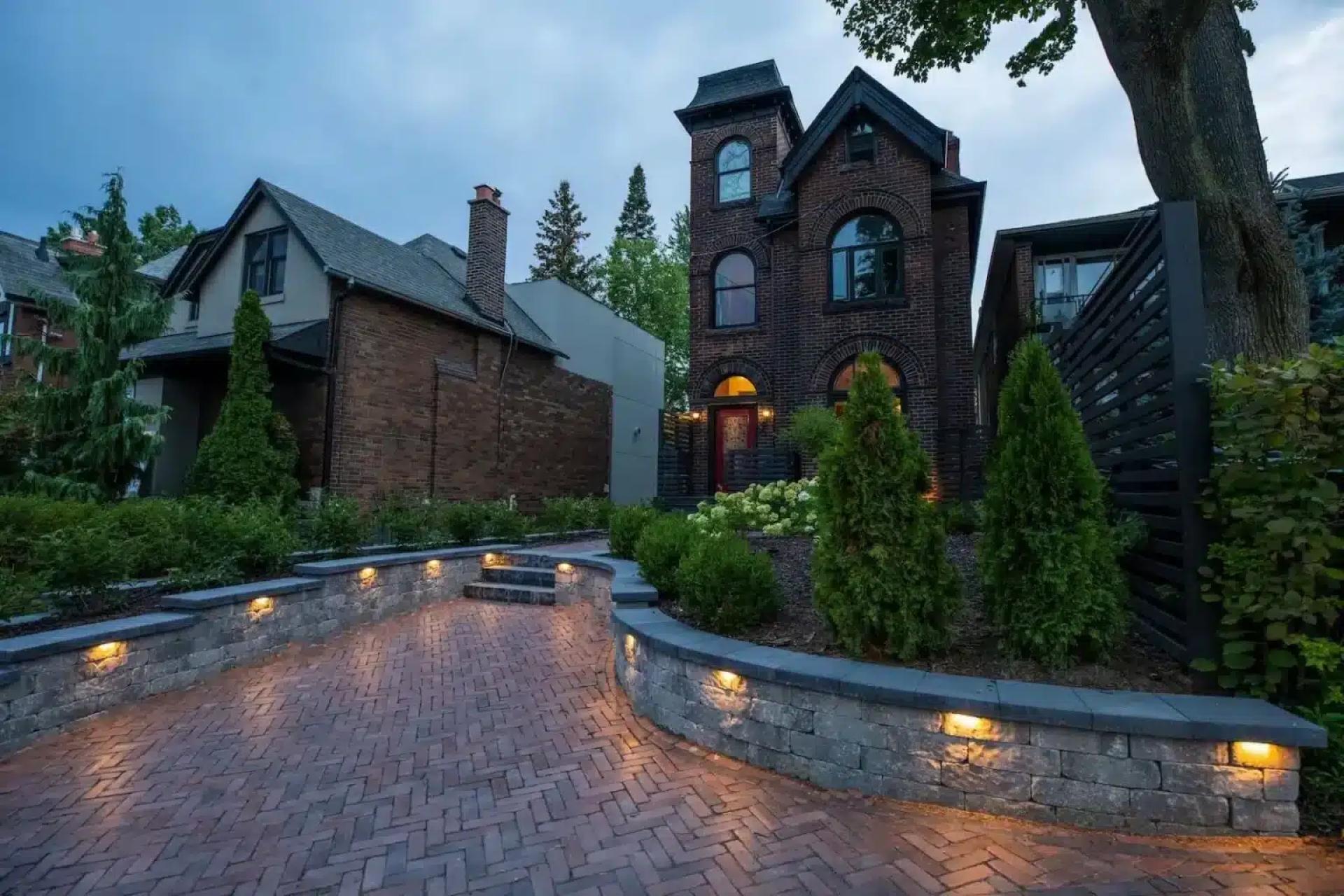
Hardscape features like patios and walkways require careful planning. Poor drainage can lead to water pooling, erosion, and long term damage. Using materials unsuitable for the climate may also cause cracking or safety issues. Proper grading and material selection ensure hardscape elements remain durable and functional over time.
Failing to Plan for Maintenance
A landscape that requires constant upkeep quickly becomes a burden. Complex designs with high maintenance plants and features may look appealing at first but are difficult to sustain. Choosing low maintenance plants, simple layouts, and efficient irrigation systems keeps the landscape manageable and enjoyable long term.
Overlooking Lighting and Seasonal Interest
Lighting is often added last, but it should be part of the initial design. Well placed lighting improves safety, highlights focal points, and extends outdoor use into the evening. Seasonal interest is equally important. A landscape should offer visual appeal throughout the year by incorporating plants with varied textures, colors, and bloom times.
Conclusion
Avoiding common landscape design mistakes starts with thoughtful planning and realistic expectations. By focusing on function, proper plant selection, balanced scale, and manageable maintenance, homeowners can create outdoor spaces that remain attractive and practical over time. A well designed landscape not only enhances curb appeal but also provides long lasting enjoyment and value.