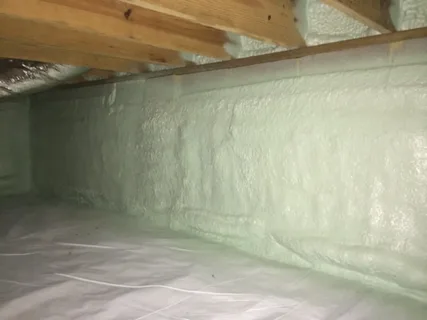
Aging crawl space spray foam insulation often presents issues such as delamination from the subfloor, physical shrinkage that creates air gaps, and concealed termite activity. While spray foam is known for its longevity, installations performed ten or more years ago may begin to show signs of stress due to building movement or improper initial application ratios.
Homeowners often assume that once insulation is installed, it requires no further attention. However, building science experts advise that the dynamic nature of a house, constantly expanding and contracting with the seasons, can eventually break the bond between the foam and the wood framing.
Identifying these problems early is necessary to prevent structural rot and maintain indoor air quality, protecting the living space above from ground-level contaminants.
Physical Degradation and Delamination
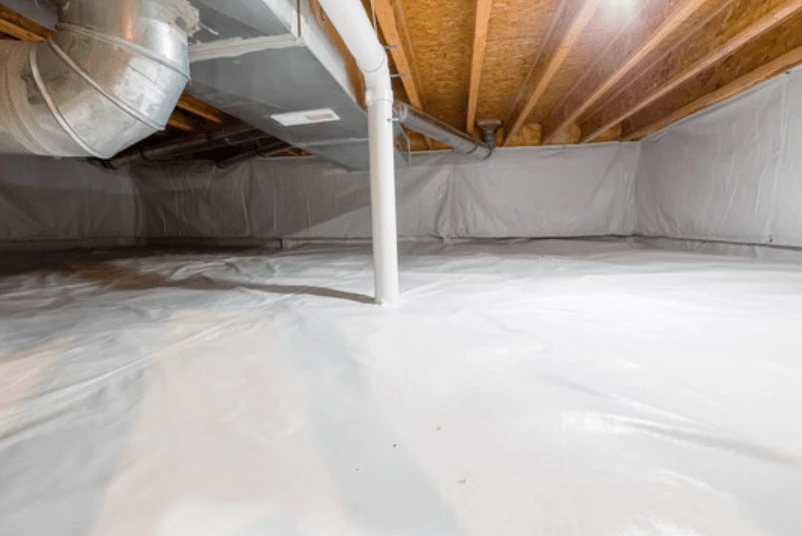
The most common issue in older spray foam applications is delamination, where the foam physically separates from the surface it was intended to seal. This usually occurs because the wooden subfloor and joists expand and contract with changes in humidity, while rigid closed-cell foam remains static. Over time, this differential movement shears the bond, creating a small gap between the insulation and the wood.
Once this separation occurs, the system's "airtight" quality fails. Warm, humid air from the crawl space enters these gaps and contacts the cooler subfloor, causing condensation. This trapped moisture sits against the wood, hidden by the foam, and creates an ideal environment for dry rot to take hold unnoticed.
Shrinkage and Air Gaps
Early formulations of spray foam, or foam that was mixed at incorrect temperatures during installation, can suffer from dimensional shrinkage. The material pulls inward as it ages, pulling away from the studs and rim joists.
These gaps may look small, often hairline cracks, but they break the thermal envelope. Market data suggests that even a 5 percent gap in insulation coverage can result in a 50 percent drop in the effective R-value for that specific assembly. This degradation leads to cold floors in winter and a return of musty odors in the home.
The Challenge of Termite Inspection
In termite-prone areas like the Hanford, CA, fully encapsulated crawl spaces can hide pest activity. Older installations often cover the entire foundation wall, allowing termites to travel undetected behind the foam. Modern codes now require a visible strip of masonry for inspections, but many older retrofits lack this, increasing the risk of severe structural damage before it’s noticed.
Rodent Damage and Nesting
While spray foam is not a food source for rodents, it can become a barrier they chew through to reach warmth. If rats or mice enter the crawl space, they may tunnel into older, softer open-cell foam to create nests.
This tunneling reduces the material's thermal resistance and fills the crawl space with foam dust. Furthermore, urine and fecal matter left behind are absorbed by the open-cell material, creating a permanent odor source that requires complete removal of the contaminated insulation.
Moisture Management Failures
Choosing the wrong type of foam for a crawl space's specific moisture conditions is a standard error in older projects. Open-cell foam acts like a sponge; if installed in a damp, below-grade environment without a vapor retarder, it is likely to hold water.
Inspectors frequently find saturated open-cell foam in aging crawl spaces. This wet insulation holds moisture against the wood framing, accelerating decay. Closed-cell foam is the industry standard for these areas today because it repels water, but past practices were less standardized.
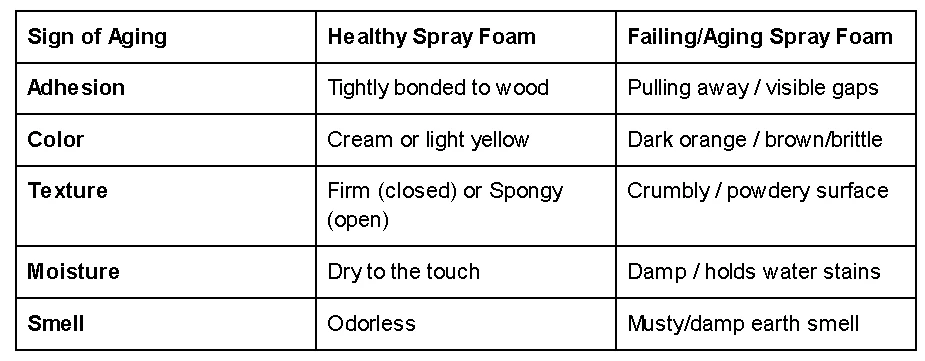
Comparison of Aging Insulation Signs
Wood Rot Indicators
When inspecting an older installation, homeowners should look for discoloration in the foam itself. Brown or black staining on the surface of the insulation often indicates that water is filtering through from the subfloor above or that condensation is forming behind the layer.
Pushing a screwdriver gently into the wood near the edge of the foam can reveal if the timber has softened. Soft wood indicates active rot, necessitating the removal of the insulation to support structural repairs.
Things to Consider Before Making a Decision
When dealing with aging spray foam, homeowners must decide between repair and full replacement. Minor gaps can often be fixed with a touch-up or re-spray, restoring the seal. However, if the foam is crumbling, wet, or concealing termite activity, complete removal is necessary.
Assessing the Cost of Inaction
Failing insulation can lead to higher energy bills and potential structural repairs. Data indicates that crawl space moisture issues are responsible for over 50 percent of indoor air quality complaints.
Investing in removing and replacing bad foam restores the home's health. It also provides an opportunity to upgrade to modern materials with improved fire-retardant and blowing-agent formulations that are safer for the environment.
Region-Specific Challenges in the Hanford, CA,
In Fresno and the surrounding areas, the soil has a high clay content, which holds moisture in winter and dries out completely in summer. This cycle creates significant ground movement and humidity shifts in the crawl space.
Aging foam in this region takes a beating from the extreme summer heat that radiates down through the house. The expansion stress at the bond between the foam and the wood is higher here than in milder climates, leading to faster delamination.
Check the crawl space vents or the dehumidifier if the space is encapsulated. Often, the failure of the mechanical system designed to keep the space dry results in insulation degradation. Keeping humidity below 60 percent helps preserve the foam's bond strength.
Final Thoughts on Insulation Maintenance
Crawl space insulation is not a "set it and forget it" component of the home. Like the roof or the plumbing, it requires periodic inspection to ensure it continues to function correctly. Aging spray foam can develop issues that reverse its benefits, turning an energy-saving asset into a moisture trap.
By recognizing the signs of delamination, pest intrusion, and moisture retention, homeowners can take action before significant damage occurs. Addressing these issues restores the integrity of the thermal envelope and protects the house's wooden structure for future generations.
Expert Assistance for Your Crawl Space
For homeowners in Hanford, CA who are concerned about the condition of their existing insulation, Supreme Spray Foam Fresno offers professional inspection and remediation services. Their team understands the specific failure points of older installations and provides honest assessments regarding repair or removal options.
They use advanced tools to detect invisible moisture and air leaks. To schedule an evaluation of your crawl space, contact them at (559) 545-0800 or send an inquiry to [email protected].
Questions People Ask About Aging Spray Foam
How long should spray foam insulation last?
Correctly installed closed-cell spray foam should last for the life of the building, often exceeding 80 years. However, if the mixture was off or the surface was dirty during application, issues can arise within 10 to 15 years.
Does spray foam shrink over time?
Modern closed-cell foams are dimensionally stable, but older formulas from the early 2000s often exhibited slight shrinkage as they cured and aged. This shrinkage causes the gaps that break the air seal.
Can you spray new foam over old foam?
Yes, provided the old foam is dry, clean, and firmly attached to the substrate. The installer must prepare the surface to ensure a chemical bond between the layers. If the old foam is loose, it must be removed first.
How do I check for termites behind spray foam?
You cannot see through the foam. The only way is to remove a strip of insulation along the foundation wall or use specialized detection equipment. This is why modern codes require a viewing strip to remain uninsulated.
Is discolored foam dangerous?
Discoloration usually signals UV exposure (if near vents) or moisture damage. While the color change itself is not toxic, it is a symptom of a larger problem like a water leak or oxidation that weakens the material.
Reviewer: Emma Robinson contributed her knowledge from 8 years of working with the spray foam industry. Her review helped shape this content, grounded in what contractors and homeowners actually value.