Industrial electric heaters are often blamed for premature failure, uneven heating, or poor system performance. In reality, many of these issues are not caused by heater design or manufacturing quality, but by installation mistakes made during system integration. Even a correctly specified heater can fail early if installation conditions do not support safe heat dissipation, electrical stability, and mechanical integrity.
Understanding the most common installation mistakes and how to prevent them is essential for engineers, HVAC designers, maintenance teams, and system integrators. This is especially true when working with an experienced industrial electric heater manufacturer that designs heaters around real operating conditions rather than ideal assumptions.
Installing Heaters Without Verifying Airflow Conditions
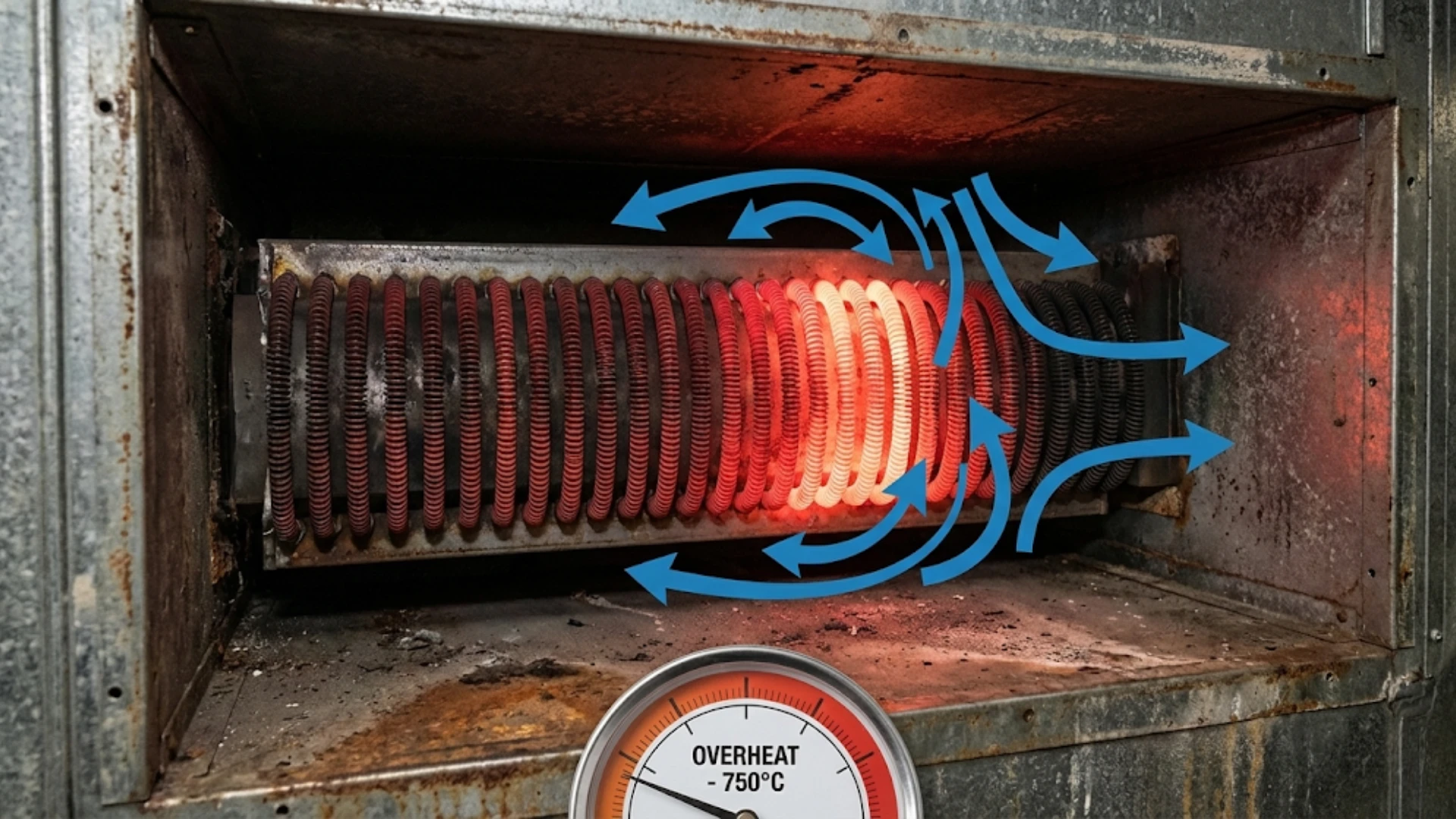
One of the most common installation errors is placing an electric air heater into a system without verifying actual airflow conditions. Heaters are often installed based on design airflow assumptions that do not reflect real operating conditions during startup, shutdown, or part-load operation.
Insufficient airflow reduces the heater’s ability to dissipate heat, causing localized overheating and accelerated element degradation. Uneven airflow creates hot spots that stress specific sections of the heating element, leading to premature failure even when total airflow appears adequate.
This risk is particularly high in open coil electric heaters, where airflow is the primary cooling mechanism for exposed heating elements.
To avoid this issue, airflow velocity and distribution should be verified across the heater face under all operating modes. Heater placement should ensure uniform airflow exposure rather than relying solely on duct size or fan ratings.
Ignoring Clearance and Heater Placement Requirements
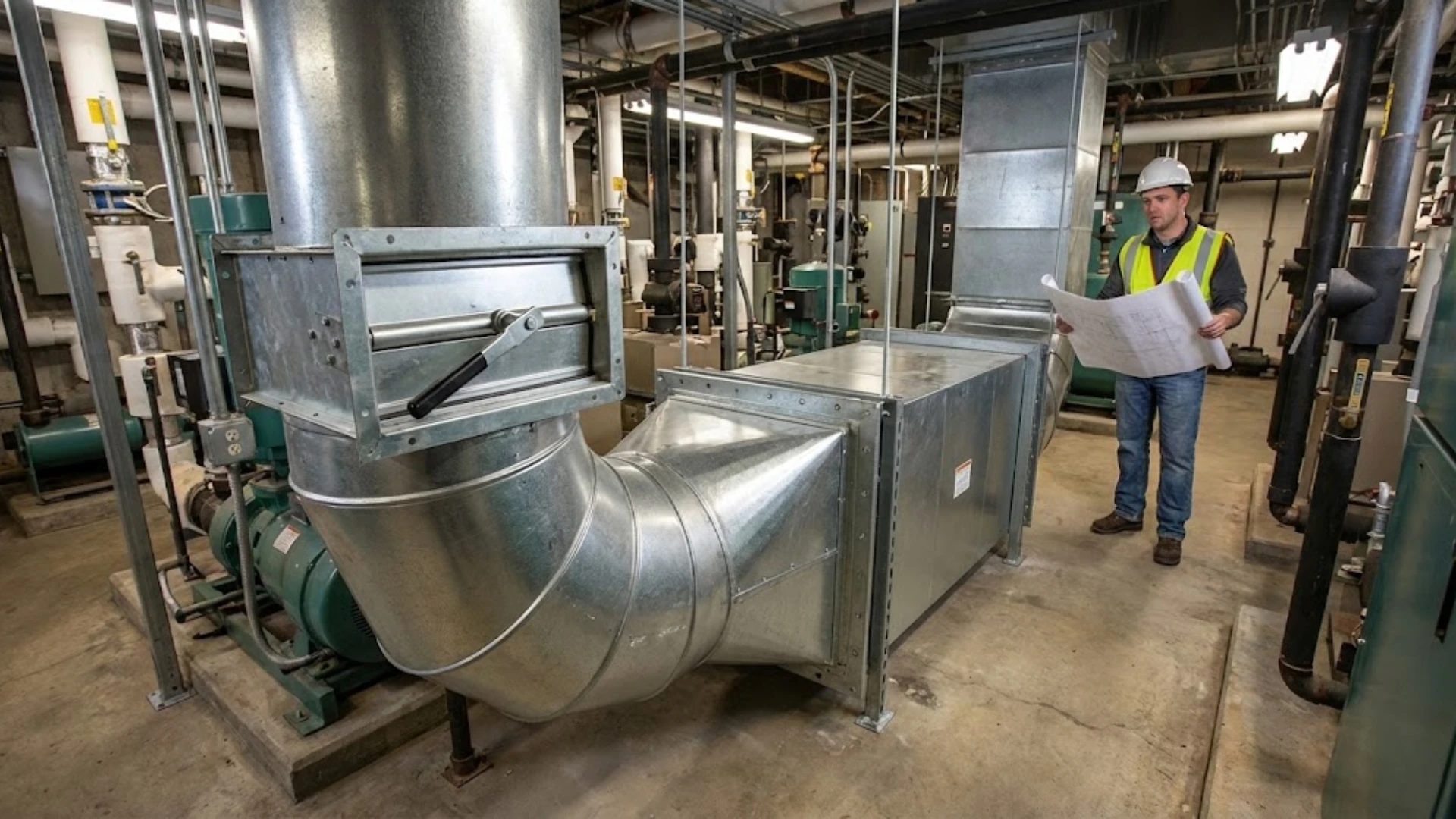
Improper heater placement within ducts or enclosures is another frequent cause of failure. Installing heaters too close to duct walls, filters, dampers, or bends disrupts airflow patterns and creates stagnation zones around the heating element.
Restricted clearance limits heat dissipation and increases surface temperatures beyond design limits. Over time, this leads to oxidation, coil sag, and insulation breakdown.
Correct installation requires maintaining adequate upstream and downstream clearance to allow airflow to stabilize before and after the heater. Placement should also account for service access and inspection rather than prioritizing compact layout alone.
Incorrect Electrical Connections and Phasing
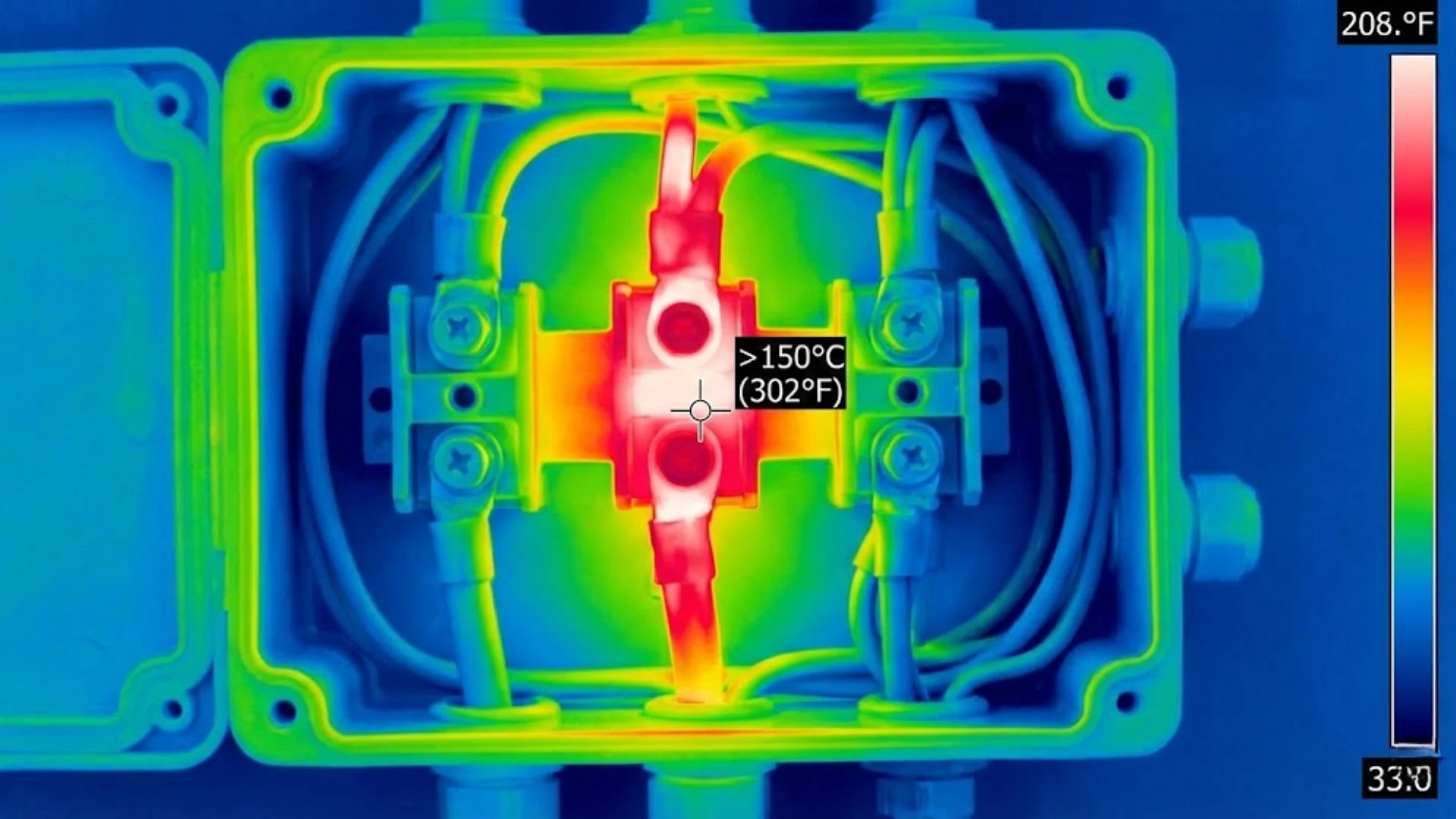
Electrical installation errors often go unnoticed until performance issues or failures occur. Incorrect voltage supply, improper phase balance, or loose connections increase resistance and generate excessive heat at terminals and connection points.
In three-phase systems, phase imbalance can cause uneven heating across elements, resulting in localized overheating and inconsistent output. Loose or undersized wiring accelerates terminal failure and increases fire risk.
Avoiding these issues requires verifying voltage, phase configuration, and current ratings before energizing the heater. All electrical connections should be torqued to specification and inspected during commissioning.
Overlooking Startup and Low Airflow Conditions
Many heaters fail not during normal operation, but during transient conditions such as startup, shutdown, or low airflow events. Installing heaters without accounting for these conditions exposes elements to full power before adequate airflow is established.
This is common in systems where heaters energize simultaneously with fans or where airflow ramps slowly. During these moments, watt density exceeds safe limits and damages the heating element.
Early electric heater design consulting helps prevent these failures by aligning control logic, airflow interlocks, and heater staging before installation.
Installation mistakes often amplify underlying design stresses. In particular, mismatches between watt density and airflow significantly shorten heater life, even when the heater itself is properly manufactured. This relationship is explained further in How Watt Density and Airflow Design Determine Industrial Electric Heater Lifespan.
Failing to Account for Environmental Contamination
Industrial environments often introduce dust, oil mist, moisture, or corrosive particles into airflow systems. Installing heaters without considering these contaminants accelerates insulation breakdown and element oxidation.
Contaminants can accumulate on heating elements, reducing heat transfer and creating localized hot spots. Moisture exposure increases the risk of electrical faults and corrosion.
Proper installation includes filtration upstream of the heater, material selection appropriate for the environment, and periodic inspection schedules to address buildup before it causes damage.
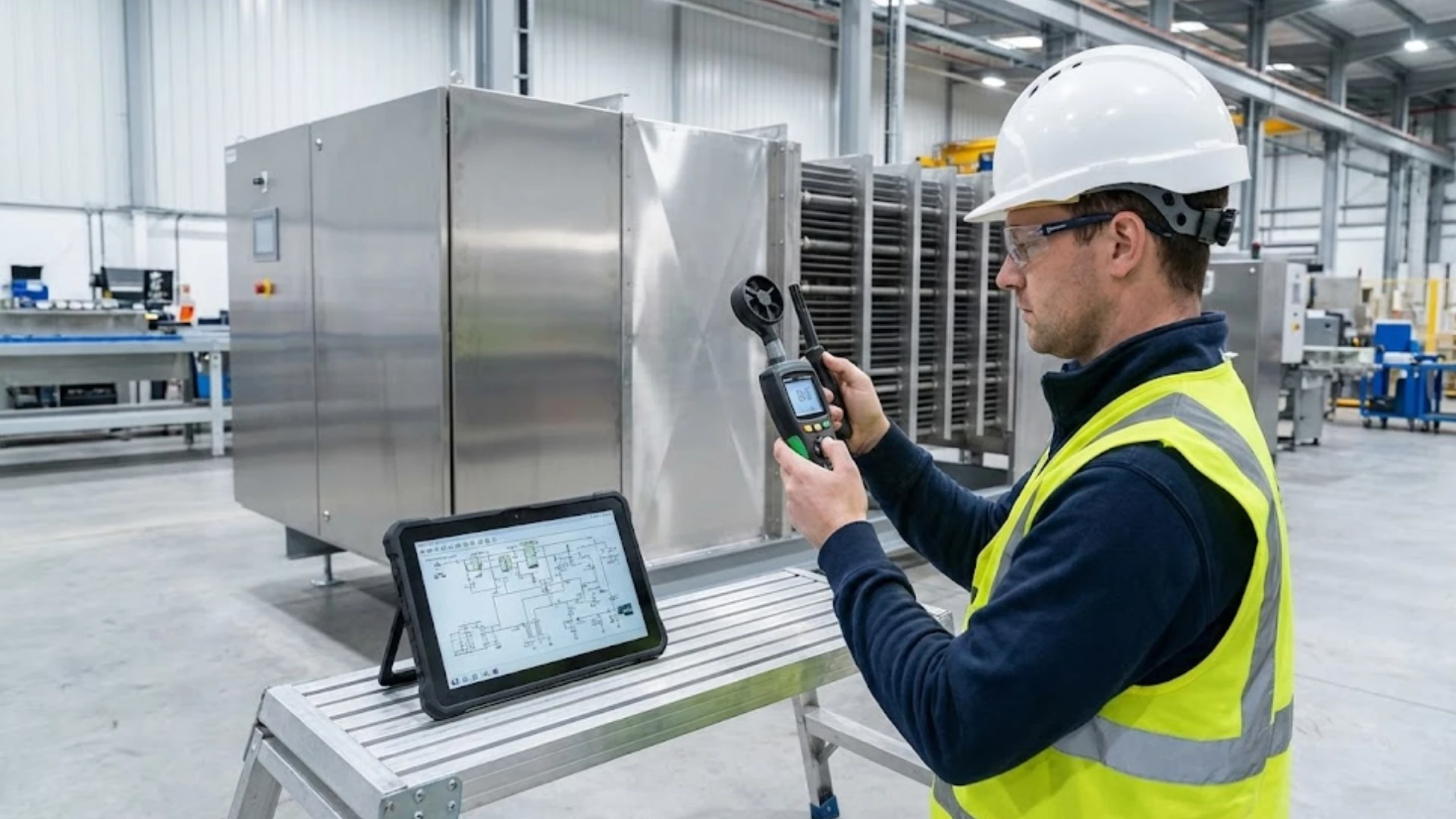
Treating Heater Installation as a One-Time Task
Another common mistake is treating heater installation as a one-time event rather than part of an ongoing system lifecycle. Changes to airflow, system layout, or operating conditions over time can turn a previously acceptable installation into a failure-prone one.
System modifications, filter upgrades, or airflow adjustments should always trigger a review of heater operating conditions. Ignoring these changes often leads to unexplained heater failures months or years after installation.
How Proper Installation Extends Heater Lifespan
Correct installation aligns airflow, watt density, electrical stability, and mechanical support with the heater’s design intent. When these factors are controlled, heaters operate within safe temperature limits, experience less thermal stress, and maintain consistent performance over time.
Many facilities achieve better reliability by using custom heater assemblies designed for their specific installation environment rather than adapting systems around generic catalog models.
Key Takeaways for Engineers and Maintenance Teams
- Most industrial electric heater failures are installation-related
- Uniform airflow is critical for safe heat dissipation
- Clearance and placement directly affect element temperature
- Electrical phasing and connection quality matter
- Startup conditions are high-risk moments for heaters
- Environmental contaminants must be considered
- Installation should be reviewed whenever system conditions change
Avoiding these common mistakes requires viewing heater installation as a system-level engineering task rather than a mechanical afterthought.
When installation aligns with heater design and operating conditions, industrial electric heaters deliver reliable performance and extended service life across demanding environments.