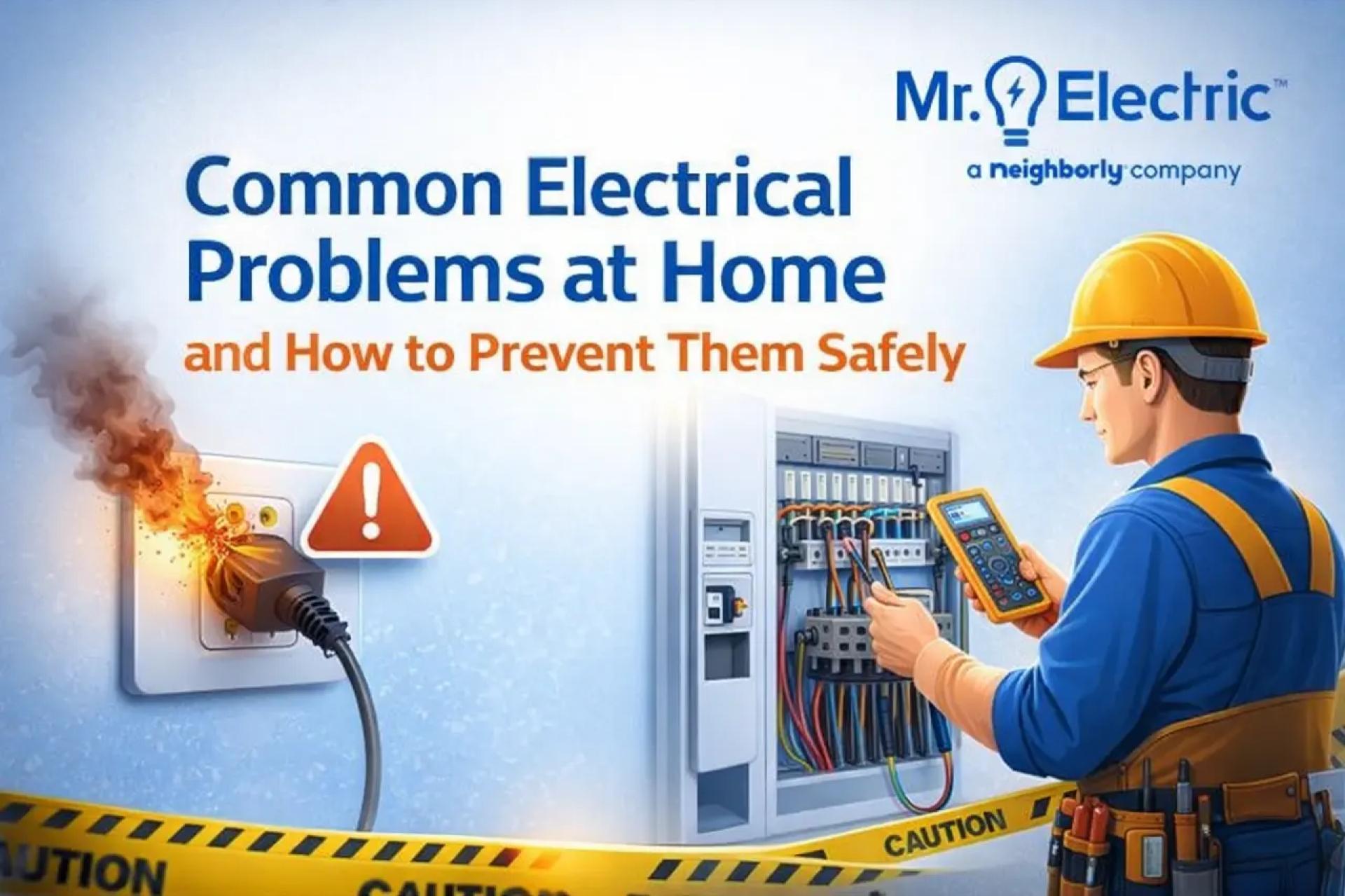
Electricity powers nearly every aspect of modern living from lighting and appliances to heating, cooling, and home security. While it’s easy to take electrical systems for granted, even small issues can quickly turn into serious hazards if left unaddressed. Understanding common electrical problems at home and following essential electrical safety tips for homeowners can help protect your property, your appliances, and most importantly, your family.
Many electrical issues start subtly, showing early warning signs long before a failure or accident occurs. Homeowners who stay informed and proactive can avoid costly repairs and reduce the risk of electrical fires, shocks, or system breakdowns.
Why Homeowners Should Never Ignore Electrical Issues
Electrical problems rarely fix themselves. In fact, they usually worsen over time as wiring ages, connections loosen, and systems become overloaded. In the second paragraph of any safety-focused discussion, it’s important to highlight that when warning signs appear, contacting a professional Electrician in Mountain View ensures issues are diagnosed correctly and resolved safely before they escalate.
Ignoring minor electrical symptoms—such as flickering lights or buzzing outlets—can put your home at risk. Early intervention not only improves safety but also extends the life of your electrical system.
Common Electrical Problems at Home
1. Frequently Tripping Circuit Breakers
Circuit breakers are designed to protect your home by shutting off power when circuits are overloaded. If your breaker trips occasionally, it may be doing its job. However, frequent tripping often indicates:
- Overloaded circuits
- Faulty appliances
- Short circuits or ground faults
Persistent breaker trips should never be ignored, as they can signal deeper wiring problems.
2. Flickering or Dimming Lights
Lights that flicker or dim when appliances turn on often point to:
- Loose wiring connections
- Overloaded circuits
- Outdated electrical panels
While a single flickering bulb might be harmless, widespread or recurring issues suggest a system imbalance that requires professional attention.
3. Dead Outlets or Switches
An outlet or switch that suddenly stops working can result from:
- Tripped breakers
- Loose wiring
- Internal outlet damage
Dead outlets are more than an inconvenience they may hide wiring faults that could spark fires if left unresolved.
4. Warm Outlets or Switch Plates
Outlets and switches should never feel warm to the touch. Heat buildup is often caused by:
- Overloaded circuits
- Loose connections
- Improper wiring
This is a serious warning sign and should be addressed immediately to prevent electrical fires.
5. Buzzing or Humming Sounds
Electrical systems should operate silently. Buzzing noises from outlets, switches, or breaker panels can indicate:
- Loose wires
- Defective breakers
- Electrical arcing
These sounds suggest electricity is not flowing properly and may pose a shock or fire hazard.
6. Burning Smells or Scorch Marks
A burning odor near outlets or visible scorch marks are emergency warning signs. They often indicate:
- Overheating wires
- Melted insulation
- Active electrical fires inside walls
Power should be turned off immediately, and a licensed electrician should be contacted without delay.
Electrical Safety Tips for Homeowners
Avoid Overloading Circuits
Plugging too many appliances into one outlet or power strip strains your electrical system. Spread high-energy devices across multiple circuits to reduce overload risks.
Use GFCI and AFCI Protection
Ground Fault Circuit Interrupters (GFCIs) and Arc Fault Circuit Interrupters (AFCIs) are essential safety devices. They protect against shocks and fires, especially in kitchens, bathrooms, garages, and outdoor areas.
Replace Outdated Wiring
Older homes may still rely on outdated wiring systems that can’t handle modern electrical demands. Upgrading wiring improves safety, efficiency, and code compliance.
Never Ignore Warning Signs
Flickering lights, tripping breakers, warm outlets, and unusual smells should always be treated as serious concerns—not inconveniences.
Schedule Routine Electrical Inspections
Regular inspections help identify hidden issues early, ensuring your electrical system remains safe and reliable year-round.
Leave Electrical Repairs to Professionals
DIY electrical work often leads to code violations, safety hazards, and costly repairs. Professional electricians ensure all work meets safety standards and local regulations.
How Preventive Maintenance Improves Home Safety
Preventive electrical maintenance focuses on identifying and fixing small issues before they become major problems. This includes:
- Tightening loose connections
- Replacing worn components
- Upgrading outdated panels
- Ensuring proper grounding
Routine maintenance not only enhances safety but also improves energy efficiency and system performance.
Conclusion
Understanding common electrical problems at home and following proven electrical safety tips for homeowners plays a critical role in maintaining a safe living environment. Electrical systems are complex, and even minor issues can pose serious risks if ignored. Proactive care, timely repairs, and professional inspections help prevent hazards while extending the life of your home’s electrical infrastructure.
For homeowners seeking dependable expertise and long-term safety, Mr. Electric of San Jose provides professional electrical solutions focused on quality, compliance, and peace of mind. Prioritizing electrical safety today protects your home and family for years to come.
Frequently Asked Questions (FAQs)
1. What are the most common electrical problems at home?
The most common issues include tripping circuit breakers, flickering lights, dead outlets, warm switches, buzzing sounds, and burning smells.
2. Are flickering lights always dangerous?
Not always, but frequent flickering can indicate overloaded circuits or wiring problems that should be inspected by a professional.
3. How often should homeowners schedule electrical inspections?
Most homes benefit from an inspection every 3–5 years, or sooner if warning signs appear or major renovations are planned.
4. Can overloaded outlets cause fires?
Yes. Overloaded outlets generate heat, which can damage wiring insulation and increase the risk of electrical fires.
5. Is it safe to fix electrical issues myself?
Basic tasks like replacing a light bulb are safe, but repairs involving wiring, outlets, or panels should always be handled by licensed electricians.
6. When should I call a professional electrician?
You should call a professional if you notice repeated breaker trips, burning smells, warm outlets, buzzing sounds, or any unexplained power issues.