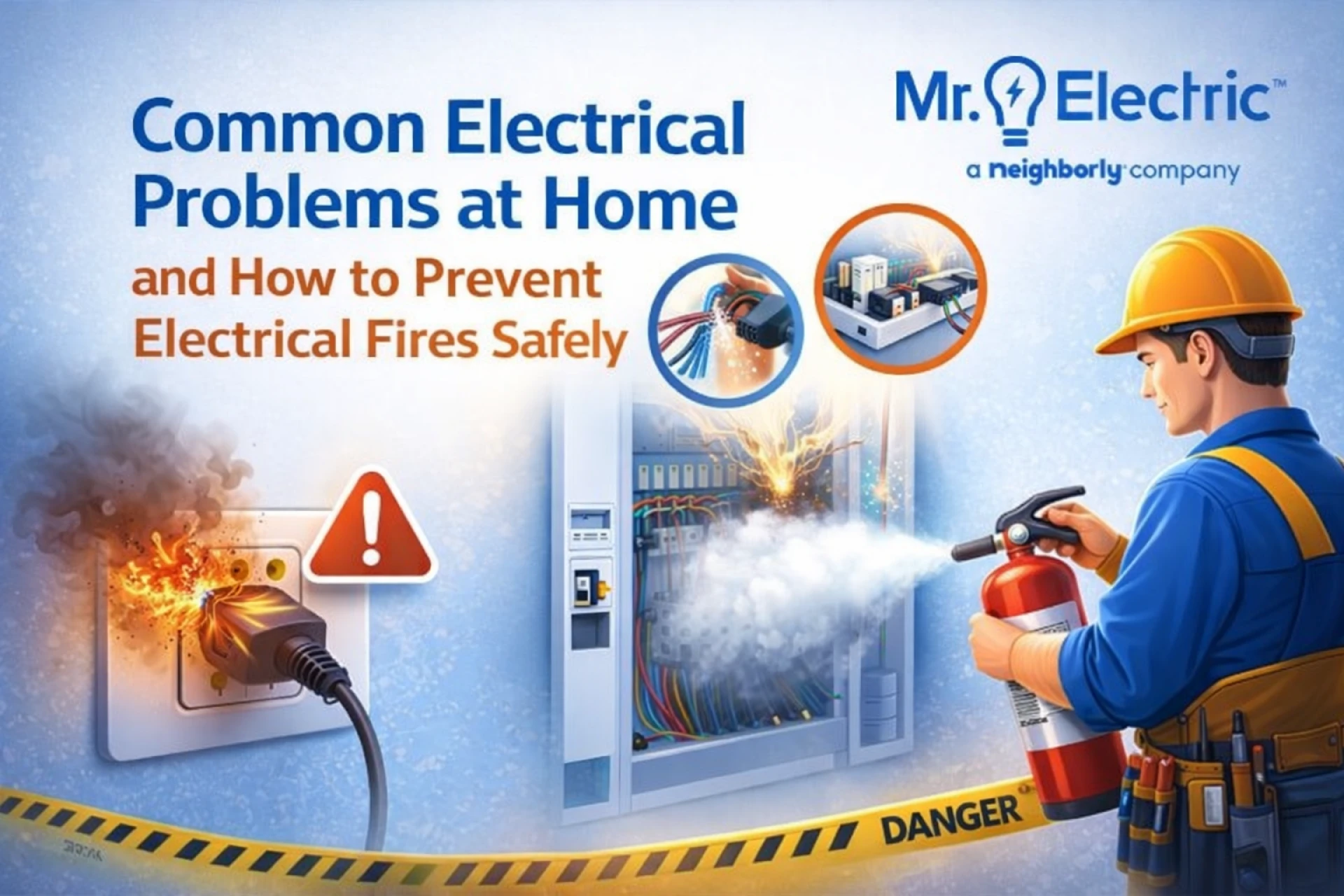
Electricity is an essential part of every modern home. From lighting and appliances to heating and cooling systems, it powers the comforts and conveniences of daily life. However, electrical systems can develop problems over time, some of which may lead to serious hazards like electrical fires if not addressed promptly. Understanding common electrical problems at home and learning how to prevent electrical fires at home is crucial for maintaining a safe living environment.
Homeowners who recognize early warning signs and take proactive steps can protect their property, avoid costly repairs, and ensure the safety of their families. For more serious issues, contacting a professional Electrician in Saratoga ensures the problem is diagnosed and fixed correctly.
Why Electrical Problems Should Never Be Ignored
Electrical issues often start subtly but can quickly escalate into dangerous situations. Small signs like flickering lights, buzzing outlets, or frequent breaker trips may seem minor, but they can indicate underlying problems such as faulty wiring, overloaded circuits, or outdated electrical panels.
Ignoring these warning signs not only risks damage to appliances and electronics but also increases the chance of electrical fires. By addressing problems early, homeowners can prevent emergencies and maintain a reliable electrical system.
Common Electrical Problems at Home
1. Tripping Circuit Breakers
Circuit breakers are designed to protect your home by shutting off power when a circuit becomes overloaded. While occasional trips are normal, frequent breaker trips may indicate:
- Overloaded circuits from too many appliances
- Faulty wiring or short circuits
- Defective appliances
Repeated trips should be investigated by a licensed professional to prevent potential hazards.
2. Flickering or Dimming Lights
Lights that flicker or dim, especially when other appliances are used, can signal:
- Loose wiring connections
- Overloaded circuits
- Aging electrical panels
Even if flickering seems minor, it’s a sign that your electrical system may need inspection.
3. Dead Outlets or Switches
Outlets and switches that stop working may result from:
- Tripped breakers
- Damaged wiring
- Internal outlet malfunctions
Dead outlets are not just inconvenient—they may hide fire hazards if left unaddressed.
4. Warm or Discolored Outlets and Switches
An outlet or switch that feels warm or shows discoloration can indicate:
- Overloaded circuits
- Loose or faulty wiring
- Poor connections
This is a critical warning sign. Continued use of these outlets without repair can lead to electrical fires.
5. Buzzing, Humming, or Popping Sounds
Electrical systems should operate quietly. Buzzing, humming, or popping sounds from outlets, switches, or panels often indicate:
- Loose wiring
- Faulty breakers
- Electrical arcing
These sounds suggest electricity is not flowing correctly and could pose shock or fire risks.
6. Burning Smells or Scorch Marks
The most serious warning signs are burning smells or scorch marks near outlets or panels. They typically indicate:
- Overheated wiring
- Melting insulation
- Active electrical fires within walls
If you detect these signs, immediately turn off power to the affected area and call a professional electrician.
How to Prevent Electrical Fires at Home
Preventing electrical fires begins with awareness and proper maintenance. Homeowners should follow these essential tips:
Avoid Overloading Circuits
Plugging too many high-powered devices into a single outlet or extension cord can overheat wiring. Distribute appliances across multiple circuits to reduce the risk of overload.
Install GFCI and AFCI Protection
Ground Fault Circuit Interrupters (GFCIs) and Arc Fault Circuit Interrupters (AFCIs) are safety devices designed to prevent electrical shocks and fires. Install GFCIs in areas near water, such as kitchens, bathrooms, and garages. AFCIs should be used in bedrooms and living spaces to detect dangerous arcing conditions.
Replace Old or Damaged Wiring
Older homes may have outdated wiring systems that cannot handle modern electrical loads safely. Upgrading wiring improves overall safety, energy efficiency, and compliance with current electrical codes.
Inspect Electrical Panels Regularly
A properly functioning electrical panel is crucial for preventing overloads and fire hazards. Periodic inspections by a licensed electrician help identify issues such as corroded connections, outdated breakers, or overloaded circuits before they become dangerous.
Pay Attention to Warning Signs
Never ignore flickering lights, buzzing outlets, warm switches, or burning smells. Promptly addressing these issues reduces the risk of electrical fires.
Use Licensed Professionals for Repairs
DIY electrical work can be risky and may violate local codes. Hiring a professional ensures all work is completed safely and correctly.
Preventive Maintenance Tips for a Safer Home
Regular maintenance helps keep your electrical system in top condition and reduces the risk of fire:
- Schedule routine electrical inspections every 3–5 years.
- Replace worn outlets, switches, or cords.
- Ensure all appliances and devices are used according to manufacturer guidelines.
- Keep wiring away from moisture, heat, and combustible materials.
Preventive maintenance not only protects your home but also enhances energy efficiency and prolongs the life of electrical systems.
Conclusion
Understanding common electrical problems at home and implementing strategies for how to prevent electrical fires at home is essential for a safe and worry-free household. Electrical issues often start small, but ignoring them can lead to costly damages, system failures, and even life-threatening situations.
For reliable electrical services and peace of mind, trust Mr. Electric of San Jose. Their team of licensed professionals ensures that all electrical issues are diagnosed accurately, repaired safely, and maintained according to industry standards. Don’t wait for a problem to escalate—taking preventive action today safeguards your home and family for years to come.
Frequently Asked Questions (FAQs)
1. What are the most common electrical problems at home?
Frequent issues include tripping circuit breakers, flickering lights, dead outlets, warm or discolored outlets, buzzing sounds, and burning smells.
2. Can flickering lights cause electrical fires?
Flickering lights themselves are not typically dangerous, but they may indicate overloaded circuits or loose wiring, which can increase fire risk if left unchecked.
3. How can I prevent electrical fires in my home?
Avoid overloading circuits, install GFCI and AFCI protection, replace outdated wiring, and address warning signs immediately. Regular inspections are also crucial.
4. Is it safe to attempt DIY electrical repairs?
No. Electrical repairs should always be performed by licensed professionals to ensure safety and compliance with local codes.
5. How often should I schedule electrical inspections?
Electrical inspections should ideally occur every 3–5 years or sooner if you notice warning signs or after major renovations.
6. When should I call an electrician immediately?
Call a professional if you notice burning smells, scorch marks, repeated breaker trips, warm outlets, buzzing sounds, or any other unusual electrical activity.