Commercial floor cleaning services are essential because your floors are the first thing customers, employees, and visitors notice when they walk into your business. A clean, shiny floor makes your place look professional and welcoming. A dirty or damaged floor does the exact opposite. The good news? Most floor problems in offices, stores, restaurants, and warehouses happen because of simple, everyday mistakes that are easy to fix once you know what they are. Let’s walk through the most common ones I see every week and exactly how to stop them from happening to you.
Using the Wrong Cleaner for Your Floor Type
Not all floors are the same, and using the wrong chemical is the fastest way to ruin them. I once saw a brand-new vinyl floor turn cloudy and dull because the night crew kept using a strong bathroom cleaner on it. Always check what your floor is made of – vinyl, tile, concrete, wood, or epoxy – and use a cleaner made for that exact material. When in doubt, choose a pH-neutral cleaner. It’s safe for almost every commercial floor and won’t cause damage.
Soaking the Floor with Too Much Water
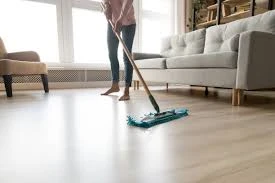
Wet mops might feel like they’re doing a better job, but extra water is terrible for most floors. It sneaks into seams and grout, causes edges to lift, and creates mold underneath. Instead of a dripping mop, use a lightly damp microfiber mop or an auto-scrubber that controls the water. Your floor should look barely wet after mopping, not shiny like a swimming pool. Less water means cleaner, longer-lasting floors.
Forgetting to Dust Mop Every Day
Dirt and sand act like sandpaper under people’s shoes. If you only clean at night but never sweep during the day, that grit keeps grinding away at your finish. A quick dust mop sweep in high-traffic areas (especially entrances) removes 80 % of the dirt before it causes damage. Make it part of the daily routine – it takes five minutes and saves thousands in repairs.
Skipping Walk-Off Mats at Every Entrance
If people walk straight from the parking lot onto your nice floors, you’re cleaning the street every night. Good entrance mats trap dirt, water, salt, and oil before they spread everywhere. Put scraper mats outside, wiper mats in the vestibule, and long carpet mats inside. Change or vacuum them regularly. This simple step can cut your overall floor cleaning time in half.
Using Dirty Mops and Pads
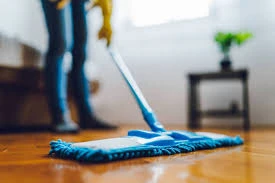
A dirty mop doesn’t clean – it just moves dirt around and leaves streaks. Wash microfiber pads after every shift or use disposable ones. Change mop water when it looks cloudy. Clean auto-scrubber pads and brushes regularly. Clean tools make clean floors – it’s that simple.
Putting On Too Much Floor Wax or Polish
Some crews think more wax equals shinier floors, so they keep adding layer after layer. Too much wax builds up, turns yellow, attracts dirt, and gets black scuff marks that won’t come off. Three to five thin coats of floor finish are plenty. After that, just spray-buff or burnish to bring back the shine instead of adding more wax.
Ignoring Dirty or Stained Grout Lines
In tile floors, dirty grout makes the whole room look unclean even when the tiles are spotless. Clean grout weekly with a soft brush and neutral cleaner. Seal grout every year or two so it stays bright and resists stains. A little grout care makes a huge difference in how clean your floors look.
Letting Staff Rush Through the Job
When cleaning crews are in a hurry, corners get missed, water gets slopped, and chemicals don’t get rinsed properly. Take time to train your team on the right way to clean each type of floor. A few extra minutes per area prevents big problems later. Good training is the cheapest insurance you can buy for your floors.
Not Reading the Manufacturer’s Care Instructions
Every flooring company tells you exactly how to clean and maintain their product. Skipping those instructions is like ignoring your car’s oil change schedule. Keep a simple folder or phone note with the care guidelines for each floor in your building. Follow them, and your floors will stay beautiful for years.
Quick Recap: Fix These Mistakes and Save Money
Avoiding these common commercial floor cleaning mistakes is easier than you think. Use the right cleaner, keep water under control, sweep daily, use good entrance mats, keep tools clean, don’t over-wax, care for grout, train your team, and follow the manufacturer’s advice. Do these simple things and your floors will look better, last longer, cost less to maintain, and keep your customers happy.
Ready to get it right? Start with one change this week – maybe better mats or daily dust mopping – and watch the difference it makes.
Frequently Asked Questions
How often should commercial floors be deep cleaned?
Most businesses need a proper deep clean (scrub and recoat or similar) every 3–12 months depending on traffic. Daily and weekly maintenance is what keeps them looking good in between.
Are steam mops safe for commercial floors?
Usually no. The heat and moisture can damage seals, adhesives, and grout in most commercial flooring.
Can I use household cleaners like Pine-Sol or bleach on commercial floors?
Almost never. They’re too harsh or leave residue. Stick to cleaners made for commercial use.
What’s the best neutral cleaner for any floor?
Look for ones labeled “pH 7” or “daily neutral floor cleaner” from brands like Diversey, Betco, or Spartan. They’re safe and effective on almost everything.
How long do walk-off mats need to be?
At least 10–15 feet in the direction people walk. The longer the mat, the more dirt gets removed.
Should I hire a professional floor cleaning company?
For deep restores, stripping, or special finishes – yes. For daily and weekly care, a well-trained in-house team works great if they follow the right steps.
My vinyl floor looks cloudy. Can it be fixed?
In most cases, yes! A proper strip and refinish removes the old damaged layers and brings back the original shine.