Underwater infrastructure inspection is a critical part of maintaining marine, industrial, and municipal structures. From pipelines and bridges to ports and offshore installations, these inspections ensure safety, compliance, and operational efficiency. However, conducting inspections beneath the surface comes with unique challenges that require specialized skills, advanced technology, and precise planning. Companies like Ven-Tech Subsea have developed expertise in navigating these difficulties, offering comprehensive underwater inspection solutions for a variety of clients.
Difficult Environmental Conditions
One of the most significant challenges in underwater infrastructure inspection is the unpredictable and often harsh marine environment. Water currents, tides, waves, and weather conditions can all impact the safety and effectiveness of an inspection. Strong currents can make positioning divers or remotely operated vehicles (ROVs) difficult, increasing the risk of accidents or incomplete assessments. Additionally, temperature variations and seasonal changes can affect both equipment performance and human endurance.
Salinity, water density, and underwater debris also play a role in complicating inspections. For instance, higher salinity levels can accelerate corrosion on metal structures, necessitating more frequent and detailed inspections to detect potential weaknesses. Similarly, underwater debris such as fishing nets, sand, or sediment buildup can obstruct access to inspection sites, requiring specialized tools and techniques to navigate safely.
Environmental conditions are not just limited to natural factors. Urban and industrial waterways may introduce chemical contamination, oil, or other hazardous materials. These hazards demand strict safety protocols, protective equipment, and careful planning to ensure that inspection teams can complete their work without compromising safety or accuracy.
Limited Visibility and Access
Another critical challenge in underwater infrastructure inspection is limited visibility. Murky water, sediment, algae, and other particulate matter can drastically reduce sightlines, making it difficult to identify structural damage, corrosion, or other issues. Even with advanced lighting and camera systems, visibility constraints can hinder thorough assessments and extend project timelines.
Access to underwater structures often presents additional challenges. Pipelines, bridge pilings, submerged platforms, and other installations may be located in deep or confined areas. In some cases, underwater structures are situated near operational equipment, shipping lanes, or restricted zones, which requires careful coordination and planning to ensure safe access. Divers may need to navigate tight spaces or complex layouts, while ROVs must be equipped with specialized maneuvering capabilities to reach every critical inspection point.
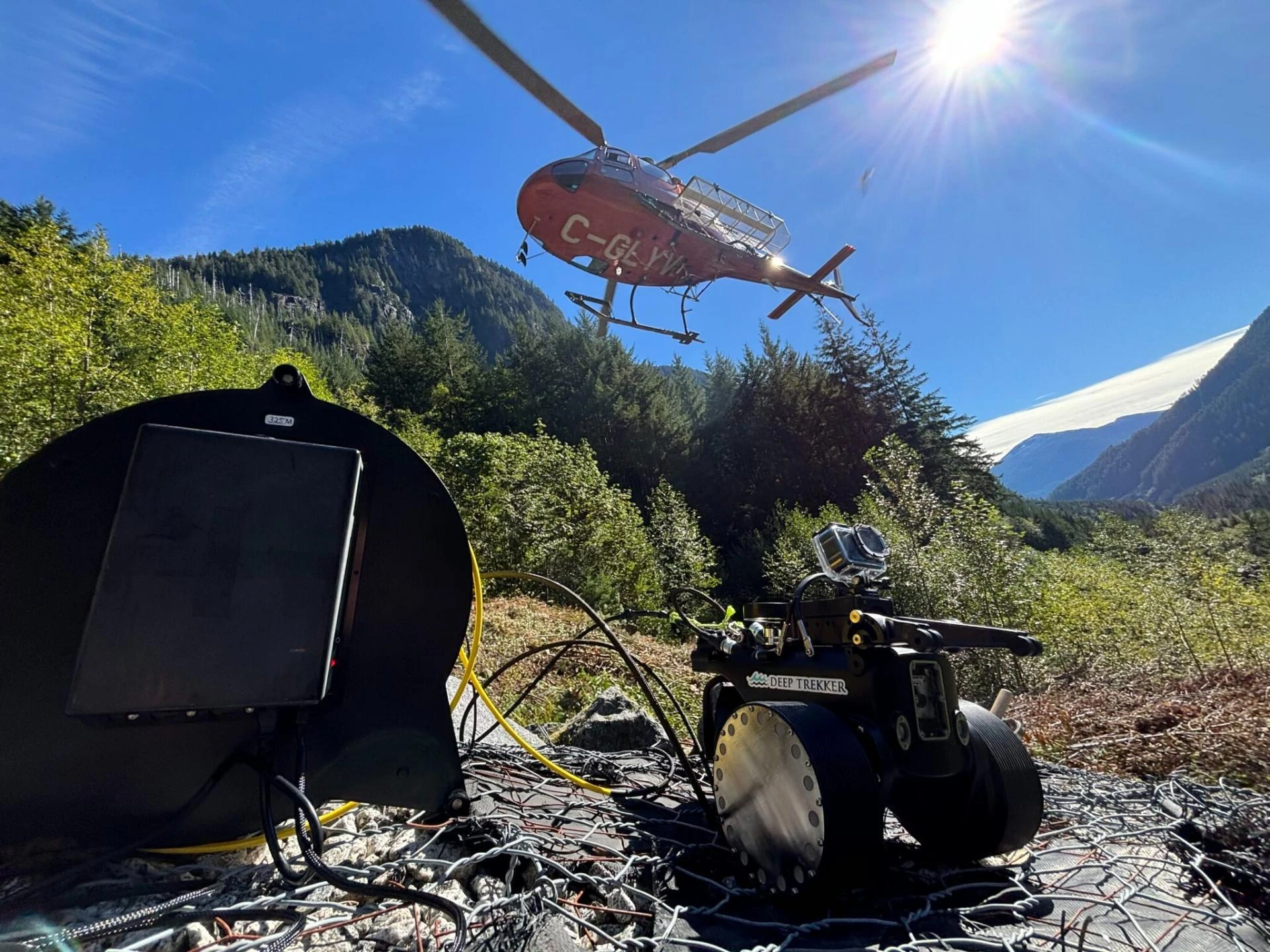
To overcome these access and visibility issues, advanced inspection technologies, including high-resolution cameras, sonar mapping, and ROVs, are commonly employed. These tools allow teams to capture detailed images and data even in challenging conditions, providing accurate information for maintenance and repair decisions.
Complex Structural Designs
Underwater infrastructure often features complex and intricate designs, which can further complicate inspection efforts. Bridges, dams, offshore platforms, pipelines, and intake structures are frequently engineered with multiple components, including supports, joints, valves, and enclosures. Inspecting these elements thoroughly requires detailed knowledge of the structure, an understanding of potential stress points, and the ability to identify early signs of damage or deterioration.
Complex designs may also include hidden areas that are difficult to access or monitor. Corrosion, cracks, and marine growth often develop in areas that are not immediately visible, which makes comprehensive inspection challenging. Specialized inspection strategies are needed to ensure no critical areas are overlooked. Techniques such as ultrasonic testing, 3D scanning, and advanced imaging allow teams to analyze structures in high detail without relying solely on visual observation.
Another consideration is the ongoing operation of the infrastructure itself. Many structures remain active during inspections, meaning that teams must work around live equipment, flowing water, or operational hazards. This requires careful coordination, precise timing, and safety measures to prevent interference with the structure’s function while still performing an effective inspection.
Challenges in Inspection Documentation and Analysis
In addition to physical challenges, underwater infrastructure inspection also involves capturing, documenting, and analyzing extensive amounts of data. High-quality records are essential for maintenance planning, regulatory compliance, and long-term asset management. However, collecting accurate data in underwater environments can be difficult due to movement, water distortion, and equipment limitations.
Processing this data to identify structural concerns requires technical expertise and specialized software. Advanced imaging and sonar data must be interpreted correctly to detect corrosion, cracks, or other defects. The combination of environmental challenges, access limitations, and complex structures makes it essential to rely on experienced inspection teams that understand both the technology and the conditions under which it operates.
Safety Considerations
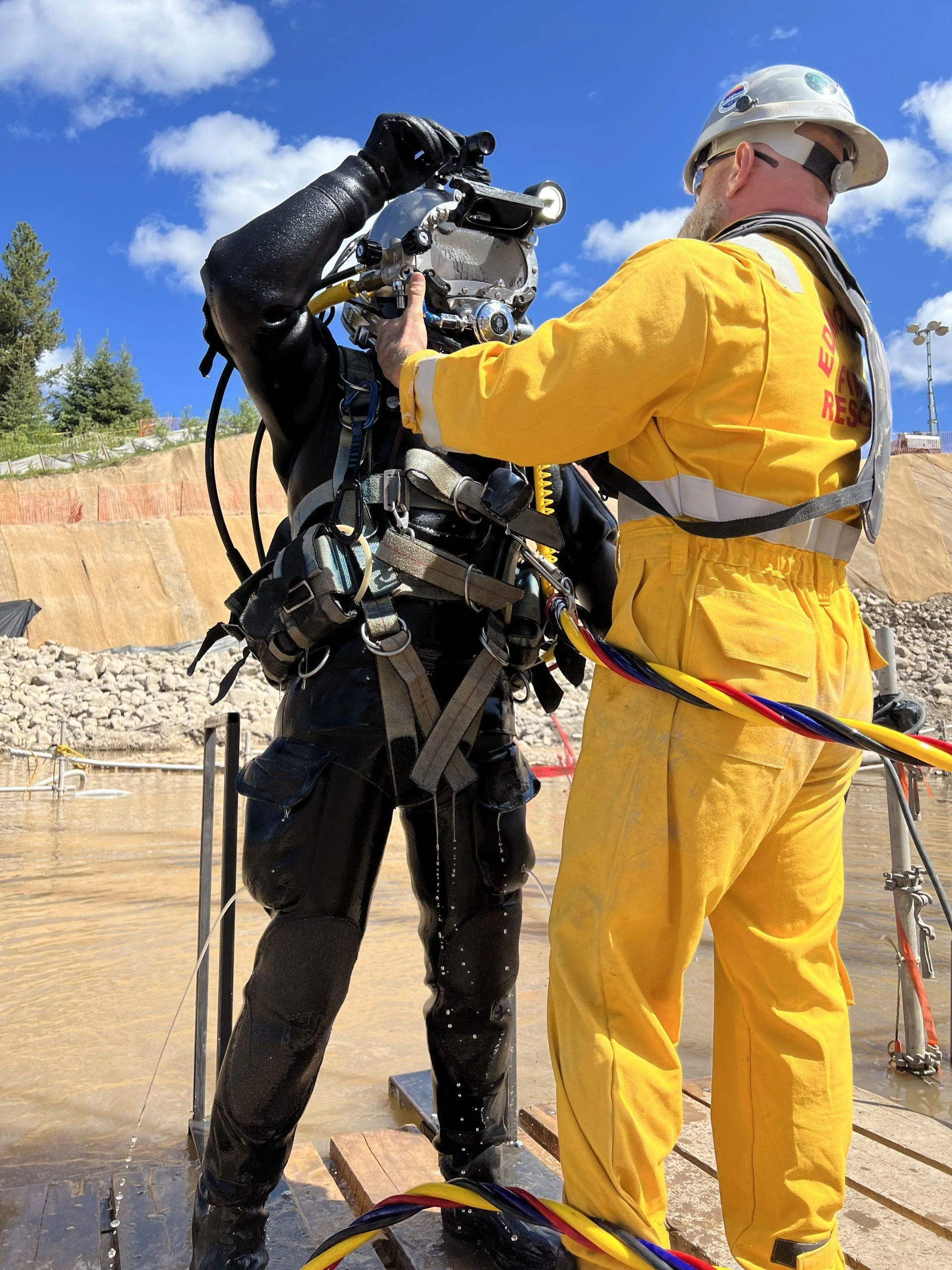
Safety is a fundamental aspect of underwater infrastructure inspection. Diving operations, heavy equipment handling, and confined spaces pose risks that must be carefully managed. Inspection teams require rigorous training, protective gear, and strict adherence to safety protocols to prevent accidents.
Safety considerations also extend to environmental protection. Inspections must be conducted in a way that minimizes disruption to marine ecosystems and avoids contamination. Experienced companies prioritize safe procedures, ensuring that inspections are conducted efficiently while protecting both personnel and the environment.
Overcoming Challenges with Expertise and Technology
Despite these challenges, experienced underwater inspection teams are able to provide reliable and comprehensive assessments. Combining technical expertise with advanced tools such as ROVs, sonar mapping, high-resolution imaging, and specialized diving equipment enables inspection teams to overcome environmental, visibility, and structural difficulties.
Proper planning and preparation are essential. This includes pre-inspection site assessments, risk analysis, and selection of appropriate inspection methods tailored to each structure. By leveraging the latest technology and drawing on years of industry experience, inspection teams can deliver accurate results even under demanding conditions.
Additionally, collaboration between divers, engineers, and project managers ensures that inspections are efficient and thorough. Data collected during underwater inspections is carefully analyzed to inform maintenance, repair, or replacement decisions, supporting the longevity and safety of critical infrastructure.
Conclusion
Underwater infrastructure inspection is a challenging but essential process for maintaining the safety and functionality of marine, industrial, and municipal structures. Difficult environmental conditions, limited visibility, complex designs, and safety considerations all require specialized skills and advanced technology.
Experienced teams overcome these challenges through meticulous planning, innovative tools, and professional expertise. By combining human skill with cutting-edge equipment, companies can provide comprehensive inspections that support the maintenance and protection of vital underwater infrastructure. In doing so, they ensure that projects are completed efficiently, safely, and to the highest industry standards, safeguarding both operational assets and the environment.