
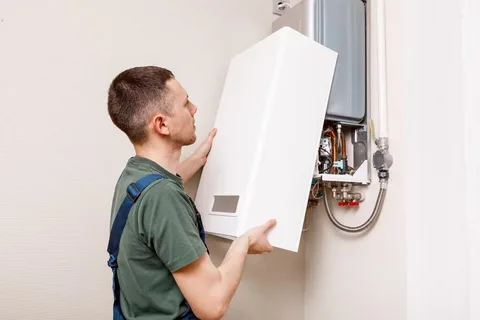
A well-functioning boiler is essential for keeping your home warm and ensuring a steady supply of hot water. But like any appliance, boilers can develop problems over time. The good news? Some issues can be resolved without immediately calling a professional. By understanding common boiler problems and their fixes, you can save time and money while keeping your heating system in top shape.
Understanding Boiler Basics
Before diving into common issues, it’s important to understand how boilers work. A boiler heats water and distributes it through radiators or underfloor heating to warm your home. It also provides hot water for your taps. When a boiler malfunctions, it can cause discomfort, inconvenience, and even safety hazards.
Common Boiler Problems and DIY Fixes
1. No Heat or Hot Water
Possible Causes:
- Thermostat issues
- Low water pressure
- Broken diaphragms or airlocks
- Faulty motorized valves
- Pilot light problems (for older models)
DIY Fix:
First, check the thermostat to ensure it’s set correctly. If the issue persists, inspect the water pressure gauge. Most boilers require a pressure between 1 and 2 bar. If it’s too low, repressurize the system using the filling loop. If you suspect a faulty component, resetting the boiler might help, but deeper issues may require professional boiler installation services.
2. Boiler Leaking or Dripping
Possible Causes:
- Corroded pipes or seals
- High pressure
- Loose connections
DIY Fix:
Turn off the boiler to prevent further damage. Identify the leak's source—if it’s a loose connection, carefully tighten it. If the leak is coming from internal components, it’s best to call a technician. Persistent leaks may indicate the need for boiler installation services to replace an aging unit.
3. Strange Noises (Banging, Whistling, or Gurgling)
Possible Causes:
- Air in the system
- Limescale buildup (kettling)
- Low water pressure
DIY Fix:
Bleed the radiators to release the trapped air. If the noise continues, check the boiler pressure and adjust it if necessary. For kettling (caused by limescale in the heat exchanger), flushing the system with a descaling solution can help.
4. Pilot Light Keeps Going Out
Possible Causes:
- Faulty thermocouple
- Draughts blowing out the flame
- Deposits clogging the pilot light
DIY Fix:
Carefully relight the pilot light according to the manufacturer’s instructions. If it keeps going out, clean the area around it and ensure no drafts are interfering. A faulty thermocouple may need professional replacement.
5. Boiler Keeps Turning Off
Possible Causes:
- Low water pressure
- Thermostat issues
- Blocked condensate pipe
DIY Fix:
Check and adjust the water pressure if needed. If the condensate pipe (which removes acidic wastewater) is blocked, thaw it by applying warm (not boiling) water. If the problem persists, a professional inspection may be necessary.
6. Radiators Not Heating Up
Possible Causes:
- Air trapped in the system
- Sludge buildup blocking circulation
- Faulty pump or valve
DIY Fix:
Bleed the radiators to release the trapped air. If some radiators remain cold, try balancing them by adjusting the valves. If circulation issues persist, a power flush may be required.
7. Thermostat Not Working
Possible Causes:
- Dead batteries
- Incorrect settings
- Outdated thermostat
DIY Fix:
Replace the batteries and ensure the thermostat is set to the correct mode. If the device is old or unresponsive, upgrading to a smart thermostat can improve efficiency and performance.
8. Frozen Condensate Pipe
Possible Causes:
- Cold weather freezing the pipe
DIY Fix:
Gently pour warm water over the frozen pipe to thaw it. To prevent future freezing, insulate the pipe or relocate it to a warmer area.
When to Call a Professional
While some problems can be resolved at home, others require expert intervention. Contact boiler installation services if:
- Your boiler is over 10-15 years old and frequently breaks down.
- Repairs are costly and recurring.
- You notice gas leaks or carbon monoxide warnings.
- The boiler fails despite multiple DIY attempts.
FAQs
1. How often should I service my boiler?
Annual servicing is recommended to keep your boiler efficient and safe.
2. What should I do if my boiler is losing pressure frequently?
Frequent pressure loss may indicate a leak or faulty pressure relief valve. A professional should inspect it.
3. Can I install a boiler myself?
DIY installation is not advisable due to safety risks and legal requirements. Always hire certified boiler installation services.
4. How can I extend my boiler’s lifespan?
Regular servicing, bleeding radiators, and keeping the system clean can prolong its life.
5. What are signs that I need a new boiler?
Frequent breakdowns, high energy bills, and outdated models indicate the need for a replacement.
Final Thoughts
Understanding common boiler problems and their DIY fixes can save you time and money. However, when issues persist, professional boiler installation services ensure a safe and efficient heating system. If your boiler is old or unreliable, consider upgrading to a modern, energy-efficient model. Ready to get expert help? Contact a trusted boiler technician today!