
How Do Commercial Septic Systems Work and What Should Businesses Consider?
Managing wastewater is an important responsibility for businesses, particularly those operating in locations without access to a central sewer network. Commercial properties such as restaurants, hotels, industrial facilities, rural businesses and commercial developments need a reliable solution to collect, treat and dispose of wastewater safely. Choosing the right system helps maintain hygiene, protect the surrounding environment and support the smooth operation of a business.
Understanding how these systems work and what factors influence their selection can help business owners make better decisions. From wastewater capacity and tank construction to installation requirements and ongoing maintenance, every detail plays a role in long-term performance.
What Are Commercial Septic Systems?
Commercial septic systems are designed to manage wastewater generated by businesses and other non-residential properties. Unlike smaller residential installations, commercial applications may need to accommodate higher wastewater volumes, changing usage patterns and different types of waste.
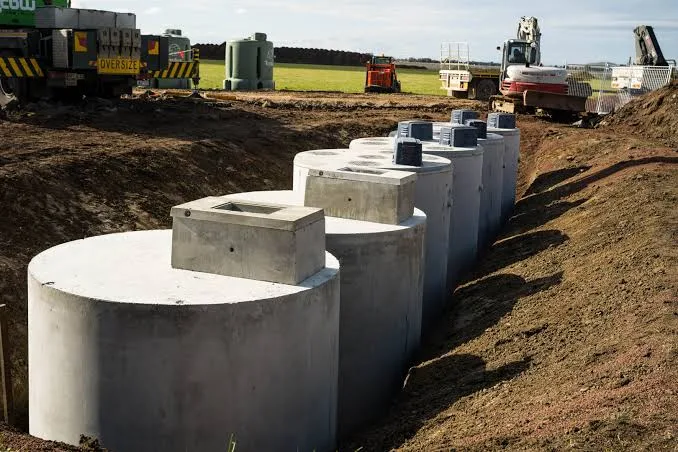
These systems generally collect wastewater from toilets, kitchens, bathrooms and other connected facilities. The wastewater enters an underground tank, where natural biological processes help separate and break down organic waste. The treated liquid then moves towards an approved disposal or further treatment area, depending on the system design and local regulations.
For businesses operating outside established sewer networks, an appropriate on-site wastewater solution can provide an effective way to manage sewage without relying on a direct connection to municipal infrastructure.
How Does a Commercial Septic System Work?
Understanding the treatment process makes it easier to recognise why proper system design and maintenance are important. A conventional septic tank generally works through several stages.
Wastewater Collection
The process begins when wastewater from connected plumbing fixtures flows through underground pipes into the septic tank. Businesses may generate wastewater from employee facilities, customer restrooms, kitchens and other operational areas.
The size and type of business influence the volume of wastewater entering the tank. Therefore, understanding daily water consumption is essential when selecting an appropriate system.
Separation of Solid and Liquid Waste
Once wastewater enters the tank, heavier solid materials settle at the bottom, forming a layer commonly known as sludge. Lighter substances, including oils and grease, float to the surface and create a scum layer.
The liquid between these two layers is called effluent. This separation process allows the tank to retain a significant amount of solid waste while allowing partially treated liquid to move towards the next stage.
Natural Biological Treatment
Naturally occurring bacteria inside the tank help break down biodegradable organic materials. This biological activity reduces the volume of accumulated solids and supports the wastewater treatment process.
However, the process can be affected by excessive chemicals, non-biodegradable materials and unsuitable substances entering the tank. Businesses should establish appropriate waste disposal practices to protect the system.
Effluent Disposal or Further Treatment
After initial treatment, liquid wastewater moves towards an approved disposal area or additional treatment equipment. The appropriate approach depends on site conditions, system design and applicable environmental requirements.
Some advanced aerobic wastewater treatment systems use additional processes, including aeration, biological filtration and disinfection, to improve effluent quality. Reclaimed water may then be suitable for approved applications, such as landscape irrigation, subject to relevant requirements.
What Should Businesses Consider Before Choosing a System?
Selecting an appropriate wastewater solution involves more than comparing tank prices. Businesses should evaluate their property requirements, expected wastewater production and long-term operational needs.
1. Understand Wastewater Volume and Capacity
Capacity is one of the most important considerations when selecting a system. A small business with limited staff will generally have different wastewater requirements from a hotel, restaurant or large commercial facility.
Consider the number of employees, expected customer visits, operating hours and daily water consumption. Businesses experiencing seasonal demand should also account for periods when wastewater production increases.
An undersized tank may require more frequent servicing and could struggle to manage wastewater effectively. Professional assessment can help determine an appropriate capacity for the property.
2. Consider the Type of Business
Different industries produce different types of wastewater. For example, restaurants and commercial kitchens may generate higher levels of fats, oils and grease, while accommodation facilities can experience considerable variations in daily water usage.
Industrial and commercial operations may also produce wastewater that requires specialised treatment before entering a conventional system.
Business owners should understand the nature of their wastewater before selecting equipment. Additional treatment components, such as suitable trade waste arrestors, may be required depending on the application.
3. Check Site Conditions and Available Space
Available land, soil characteristics, groundwater conditions and property layout can influence the design and installation of an on-site wastewater solution.
Businesses should also consider vehicle access, underground utilities, building foundations and the location of the approved disposal area.
Adequate space for installation and future maintenance is equally important. A professional site assessment can identify potential challenges before construction begins and help avoid unnecessary installation complications.
4. Prioritise Construction Quality and Durability
The construction material and manufacturing quality of a tank can influence its long-term reliability. Concrete tanks are commonly considered for applications where strength and durability are important.
Look for engineer-designed products manufactured using appropriate construction methods and quality materials. Sealed internal joints can help minimise the risk of leakage, while suitable access covers make inspection and maintenance more practical.
At Ri-Industries, concrete septic tanks are manufactured using 40 MPa concrete, with engineer-designed construction and sealed internal joints. The company has been manufacturing septic tanks in South Australia since 1947.
5. Understand Local Regulations and Approval Requirements
Wastewater management requirements can vary depending on the state, council and intended property use. Businesses should understand the relevant approval, installation, treatment and disposal requirements before purchasing equipment.
In South Australia, septic system installation and design are regulated by SA Health, with local council environmental health officers providing area-specific information.
Working with experienced professionals can help businesses identify the appropriate requirements and select equipment that suits the intended application.
Why Is Regular Maintenance Important?
Regular maintenance is essential for keeping a wastewater system operating properly. Over time, sludge and scum accumulate inside the tank, reducing the available capacity for wastewater treatment.
Businesses should arrange inspections and desludging according to the system manufacturer's recommendations and applicable council requirements. The maintenance schedule will depend on tank capacity, wastewater volume and the nature of the business.
It is also important to prevent unsuitable materials from entering the system. Plastics, disposable products, excessive chemicals and other non-biodegradable waste can interfere with normal biological activity and create blockages.
Warning signs such as unpleasant odours, slow drainage and pooling effluent around the disposal area should be investigated promptly. Addressing problems early can help prevent more significant operational issues and unnecessary repair expenses.
Can Businesses Benefit from Advanced Wastewater Treatment?
Some commercial properties may benefit from wastewater treatment systems that go beyond conventional septic tank processes. Aerobic treatment systems use oxygen to support biological activity and improve the treatment of wastewater.
For example, Ri-Industries has developed the Ri-Cycle commercial wastewater treatment system. Its design incorporates aeration and biological filtration, with features intended to support wastewater treatment and reclaimed water applications.
Depending on the project requirements and relevant approvals, treated water may be used for applications such as irrigating gardens, sporting facilities and landscaped areas. This can help businesses consider opportunities for responsible water reuse and reduce reliance on fresh water for suitable non-potable applications.
However, the appropriate treatment option will always depend on wastewater characteristics, site conditions and regulatory requirements.
Why Choose an Experienced Manufacturer?
Working with an experienced manufacturer can make the selection process easier, particularly when a project involves specific site requirements or commercial applications.
Manufacturing experience, engineering knowledge, product quality and an understanding of local conditions are important factors to consider. Businesses should also look for clear product specifications, installation guidance and access to relevant technical information.
Ri-Industries has been serving South Australia since 1947, manufacturing concrete products and wastewater solutions for residential and commercial projects. Its product range includes septic tanks, wastewater treatment systems and commercial products such as trade waste arrestors, stormwater sumps, covers, grates and frames.
This experience provides businesses and project professionals with access to different products for their wastewater and infrastructure requirements.
Conclusion
Choosing the right wastewater solution is an important investment for any business operating without access to a central sewer network. Understanding wastewater volume, business activities, site conditions, construction quality and local regulations can help ensure the selected system meets operational requirements.
Regular maintenance and responsible wastewater disposal practices are equally important for long-term performance. Businesses should also explore advanced treatment options where water recycling and additional wastewater treatment are suitable for their projects.
With decades of manufacturing experience and a range of wastewater products, Ri-Industries can help businesses explore suitable solutions for their requirements. Contact the Ri-Industries team to discuss your project, understand available products and find a wastewater solution that supports your property's needs.