Running a business in Essex is demanding enough without worrying about what is living in your walls, roof void or stock room. Yet for restaurants, hotels, warehouses, care homes, schools and offices across the county, pests remain one of the most common and most costly hidden risks. A single rat sighting can trigger a failed hygiene inspection, a bad online review or even a temporary closure.
That is why professional commercial pest control in Essex is not a luxury. It is a core part of running a safe, compliant and trusted business. In this guide, we explain the main threats facing local commercial premises, what the law expects of you, and how a structured pest management programme keeps your site protected all year round.
Why Commercial Premises in Essex Are Vulnerable
Essex is a busy mix of historic town centres, farmland, coastline, river estuaries and fast-growing industrial estates. That variety is brilliant for business, but it also gives pests plenty of ways in. Premises close to fields and open land attract rodents looking for shelter as the weather turns. Food outlets provide a constant supply of crumbs, waste and warmth. Older buildings often have gaps around pipes, cracked brickwork and ageing air bricks that make perfect entry points.
Commercial sites also have features that homes do not. Deliveries arrive daily, bringing the risk of pests hitching a ride in packaging or pallets. Bins are larger and emptied less often. Staff come and go through doors that are propped open. Every one of these small details can become a doorway for infestation.
Your Legal Responsibilities as a Business Owner
In the UK, businesses have a legal duty to keep their premises free from pest infestations. The Prevention of Damage by Pests Act 1949 requires occupiers to notify the local authority if they have significant rat or mouse activity. Food businesses must also comply with food safety and hygiene regulations, and environmental health officers can inspect at any time.
Failure to act can lead to improvement notices, fines, prosecution and, in serious cases, closure. For businesses that hold audits or certifications, such as BRC, SALSA or supermarket supplier standards, documented pest control is usually mandatory. A professional contract with proper records is often the simplest way to prove you are taking your responsibilities seriously.
The Most Common Commercial Pests in Essex
Rats and Mice
Rodents are the number one concern for most commercial properties. They contaminate food, gnaw through cables, damage insulation and spread disease through droppings and urine. Because mice can squeeze through a gap the size of a pen, and rats through a hole not much larger than a two pound coin, even well-maintained buildings can be affected.
If your business needs the best mice control in Essex, look for a provider who does more than just lay bait. The best approach combines a thorough survey, careful placement of monitoring and control points, proofing of entry routes and clear advice for your team. Mice breed quickly, so a small problem can become a serious infestation within weeks. Early action protects your stock, your equipment and your reputation.
For businesses in and around the town, prompt rat removal in Colchester is equally important. Rats are cautious, intelligent and highly adaptable. They often nest in drains, under decking, in wall cavities and around waste storage areas. Signs include gnaw marks, greasy rub marks along walls, droppings, burrows and scratching noises at night. A professional technician will identify the source of the problem, treat it safely and recommend practical proofing so rats do not return.
Wasps
Wasps may seem like a summer nuisance, but for pubs, cafes, hotels, care homes, schools and garden centres they can quickly become a safety issue. Customers and staff with allergies face genuine danger, and an active nest near an entrance can drive people away.
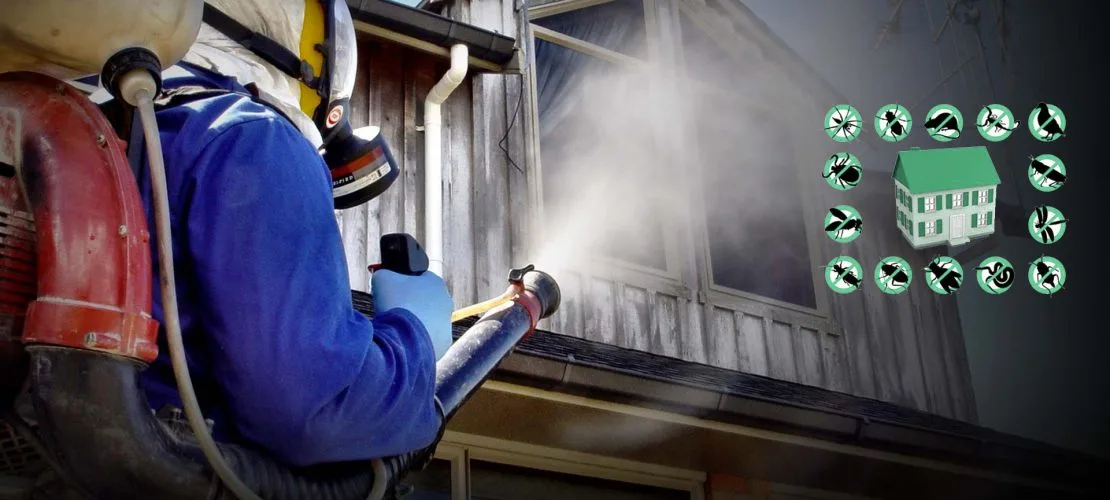
Professional wasp control in Colchester involves locating the nest, assessing its size and position, and treating it safely using approved products and protective equipment. Never attempt to remove a nest yourself, particularly in a roof space, wall cavity or high eave. Disturbed wasps become aggressive, and the risk of multiple stings is real. A qualified technician can deal with the nest quickly and discreetly, often in a single visit, so your trading is barely disturbed.
Other Commercial Pests
Beyond rodents and wasps, commercial sites may also face cockroaches, flies, ants, stored product insects, pigeons and fleas. Each requires its own treatment method and its own prevention strategy. A good pest control provider will identify exactly what you are dealing with before recommending any solution, rather than applying a one size fits all approach.
What a Professional Commercial Pest Control Programme Includes
Reactive treatment solves a problem once. A proactive programme prevents it from returning. Most professional commercial contracts include the following elements.
1. A detailed site survey. A technician inspects the interior and exterior of your premises, noting risk areas, entry points, food sources and environmental factors.
2. A tailored treatment plan. No two businesses are the same. A restaurant kitchen needs a different strategy to a distribution warehouse or a care home.
3. Regular scheduled visits. Routine inspections catch early signs of activity long before they become visible problems. Visit frequency depends on your industry and risk level.
4. Proofing and prevention advice. Sealing gaps, fitting door brushes, improving waste handling and adjusting storage practices all reduce the chance of future infestations.
5. Full documentation. Service reports, site maps, risk assessments and product records are supplied for audits, insurers and environmental health officers.
6. Rapid emergency response. If a sighting occurs between scheduled visits, you should be able to call for a fast callout without long delays.
The Real Cost of Ignoring a Pest Problem
Many business owners delay calling a professional because they hope the problem will fix itself or because they want to avoid the cost. In reality, pests rarely disappear on their own, and the longer they are left, the more expensive the consequences become.
Consider the possible costs: contaminated stock that must be thrown away, damaged wiring or fire risk from gnawed cables, lost trading days if you are forced to close, fines and legal action, increased insurance premiums and the long-term harm of negative reviews. Compared with an affordable annual service contract, prevention is almost always the better investment.
How to Choose the Right Commercial Pest Control Provider in Essex
Not every provider is equal, so ask the right questions before you sign a contract.
- Are they qualified and accredited? Look for technicians trained to recognised standards and companies with memberships such as the British Pest Control Association (BPCA) or similar bodies.
- Do they have local experience? A company that knows Essex, its building types and its seasonal pest patterns will respond faster and more effectively.
- Do they use an integrated approach? The best providers focus on inspection, proofing and monitoring, not just chemicals.
- Is their reporting clear? You need documentation that stands up to audits and inspections.
- Are they insured? Public liability and professional indemnity insurance protect you as well as them.
- How fast can they respond? Pest problems do not keep office hours, so ask about emergency availability.
Tips to Reduce Pest Risk Between Visits
Your own team plays a major part in keeping pests out. Simple daily habits make a big difference.
- Store food and ingredients in sealed, pest-proof containers off the floor.
- Clean up spillages and crumbs promptly, especially in kitchens and staff rooms.
- Keep bins covered, emptied regularly and positioned away from doors.
- Keep external doors closed when not in use and repair damaged seals.
- Report any droppings, gnaw marks, unusual smells or sightings immediately.
- Trim vegetation and remove clutter around the building's exterior.
Training your staff to spot early warning signs turns your whole workforce into an extra line of defence.
Take the Stress Out of Pest Control Today
Pests do not wait for a convenient moment, and neither should you. Whether you manage a restaurant in Colchester, a warehouse in Chelmsford, a hotel on the coast or a small office anywhere in the county, a professional approach to commercial pest control in Essex protects your customers, your staff and your good name.
Ready to protect your business? Call us today on 07487 351 351 or visit North Exess Pest Control for a free, no-obligation site survey and quote. Our fully trained local technicians are here to help, with fast response times and a service built around your business.
Frequently Asked Questions
How often should a commercial property in Essex have pest control visits?
It depends on your industry and risk level. Food businesses and high-risk sites often need monthly visits, while lower-risk offices may only need quarterly inspections. A survey will confirm the right schedule for your premises.
Is commercial pest control a legal requirement?
Businesses are legally required to keep their premises free of pest infestations, and food businesses must meet hygiene regulations. A professional contract with proper records is the best way to demonstrate compliance during an inspection or audit.
How quickly can you deal with rats or mice in my business?
In most cases a technician can attend quickly after you report a problem. Treatment normally begins on the first visit, followed by monitoring and proofing to stop the problem returning.
Can wasp nests be treated without closing my business?
In many cases, yes. Nests can often be treated discreetly and quickly, with minimal disruption. If the nest is close to customers or staff, the area may need to be cordoned off briefly for safety.
Are the treatments safe for staff, customers and pets?
Professional technicians use approved products and follow strict safety procedures. Bait stations are tamper-resistant and placed carefully, and you will receive clear guidance about any precautions needed.
What does commercial pest control cost?
Costs vary according to the size of the premises, the type of pests and the frequency of visits. Many businesses find a fixed-price annual contract more cost-effective than paying for repeated emergency treatments.