Professional Mold Removal for Safe, Healthy, & Compliant Commercial Spaces
Mold growth inside any workplace can quickly escalate from a minor inconvenience to a major business threat. It affects indoor air quality, damages building materials, and puts the health of staff and customers at risk. When left untreated, mold can spread rapidly and disrupt operations, especially in environments where cleanliness and compliance are critical. This is why partnering with an expert commercial mold remediation company is essential for long-term property safety and business continuity.
Whether you manage an office building, healthcare facility, school, warehouse, retail space, or industrial unit, mold remediation must be approached with industry-grade equipment, proven techniques, and strict safety protocols. Professional remediation is not just about removing visible mold — it’s about addressing the root cause to prevent future growth.
Why Mold in Commercial Buildings Is a Serious Concern
Health & Safety Risks
Mold spores thrive in damp, humid environments, particularly after water leaks or flooding. Prolonged exposure to mold can lead to:
- Respiratory irritation
- Allergic reactions
- Headaches and fatigue
- Asthma and breathing issues
- Skin irritation
Businesses have a responsibility to provide safe working conditions. Neglecting mold issues can result in liability claims, employee complaints, and regulatory penalties.
Structural & Property Damage
Mold eats through walls, ceilings, flooring, insulation, and HVAC systems. Over time, this leads to expensive repairs and compromises structural integrity. Proper remediation saves long-term costs by preventing damage escalation.
Business Downtime & Loss of Reputation
If customers or employees notice mold, it harms your brand image. In severe cases, mold contamination forces temporary shutdowns — affecting productivity, reputation, and revenue.
What a Professional Mold Remediation Process Includes
A reputable commercial mold remediation company follows a methodical and controlled process to restore a safe environment:
1. Inspection & Testing
Technicians assess affected areas using tools such as moisture meters, thermal imaging, and air quality sampling.
2. Containment
Areas contaminated with mold are sealed off to prevent spore spread into unaffected areas.
3. Air Filtration
Industrial-grade HEPA filtration systems remove airborne spores and improve indoor air quality.
4. Mold Removal & Surface Treatment
Depending on the severity, methods include:
- Surface scrubbing and antimicrobial sprays
- HEPA vacuuming
- Dry ice blasting for industrial environments
- Removal of contaminated materials, if necessary
5. Drying & Dehumidification
Moisture control is critical. The team uses commercial-grade dehumidifiers and drying systems to eliminate humidity.
6. Restoration & Preventive Measures
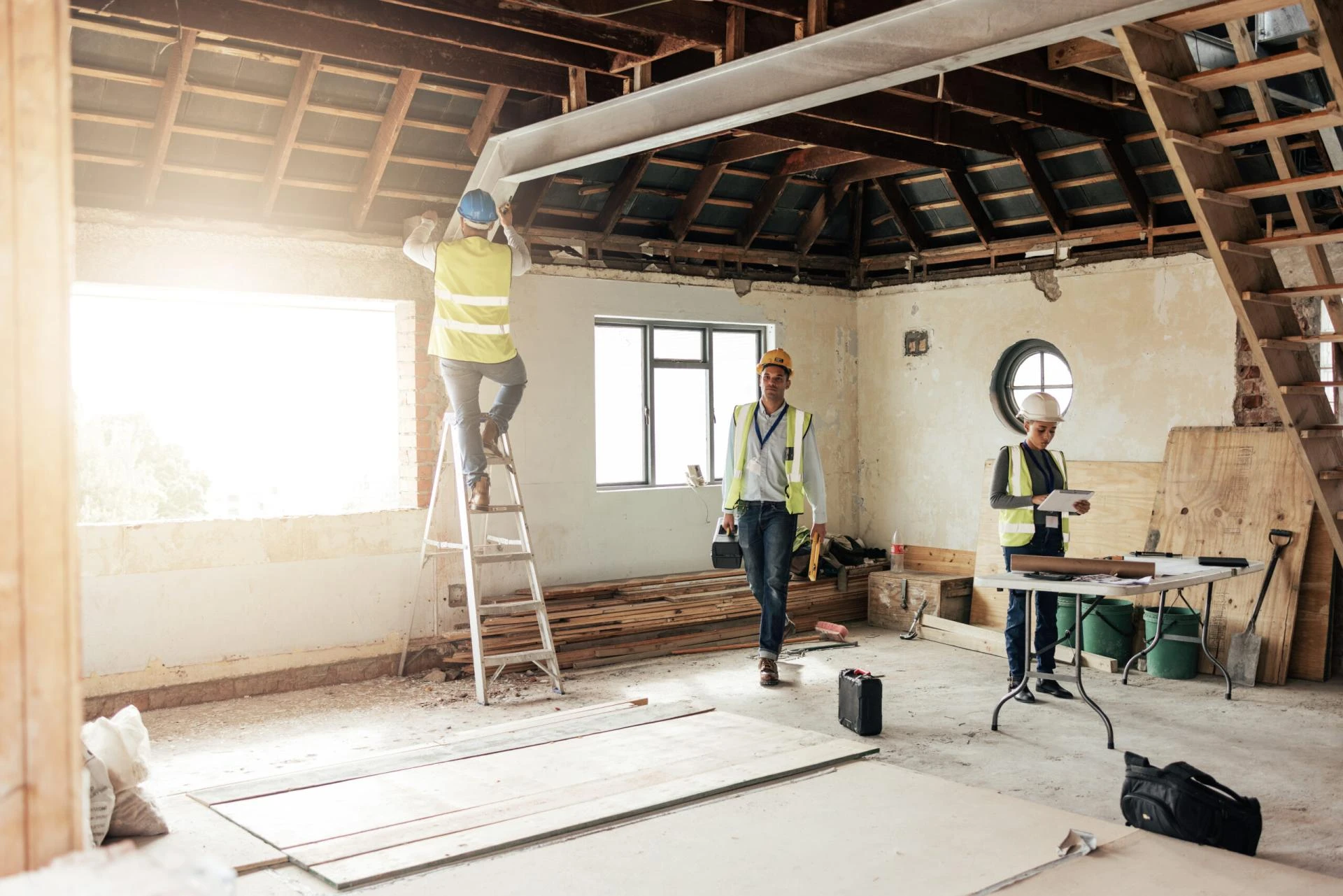
After remediation, affected structures may be rebuilt, and preventive recommendations are shared to avoid recurrence.
Industries That Require Professional Mold Remediation
Many business environments are highly vulnerable to moisture issues and must take mold threats seriously, including:
- Corporate offices
- Manufacturing facilities
- Warehouses
- Retail stores & shopping malls
- Hospitality & hotels
- Medical facilities & laboratories
- Schools & universities
- Restaurants & commercial kitchens
- Multi-unit residential buildings
Each facility has unique ventilation, humidity control, and safety requirements — making professional services essential.
Benefits of Hiring a Commercial Mold Remediation Specialist
Expert Diagnosis
Professionals use advanced testing to identify mold species and contamination levels — ensuring complete resolution.
Faster Project Completion
Specialized tools and trained staff complete remediation efficiently, minimizing business disruption.
Compliance & Certification
Reputable remediation companies follow EPA, OSHA, OSHA, CDC, and IICRC standards — crucial for businesses in regulated sectors.
Preventive Solutions
Beyond removal, experts identify moisture sources, improve ventilation, and apply antimicrobial coatings to prevent mold return.
Signs Your Building Needs Mold Remediation
You may need a commercial mold remediation company if you notice:
- Persistent musty odor
- Visible dark stains or discoloration
- Water damage or leaks
- Peeling paint or bubbling walls
- Unusual employee illnesses or allergies
- Humid or damp indoor conditions
Prompt action prevents damage, improves employee morale, and protects your business reputation.
Conclusion
Mold is a silent threat that can compromise indoor air quality, building structure, and business credibility. Professional remediation is the only reliable way to eliminate mold effectively and ensure long-term protection. By working with experienced experts who understand commercial property needs, businesses can maintain safe, healthy, and compliant environments. When you need trusted solutions with high-quality service, RAMS100 offers dependable support backed by experience and industry-standard techniques.
FAQs
1. What does a commercial mold remediation company do?
They inspect, remove, and prevent mold growth in commercial buildings using specialized tools and regulated protocols.
2. How long does commercial mold remediation take?
Depending on contamination size and severity, the process may take 1–7 days or longer for complex facilities.
3. Can mold return after removal?
If moisture issues are not fixed, mold can return. Professionals address both mold removal and root-cause prevention.
4. Is commercial mold remediation safe for employees?
Yes, experts use containment barriers, HEPA systems, and industry standards to ensure safety during and after treatment.
5. Can businesses stay open during mold remediation?
It depends on contamination severity. Some areas can remain open while sealed work zones are treated, but large-scale remediation may require temporary closures.