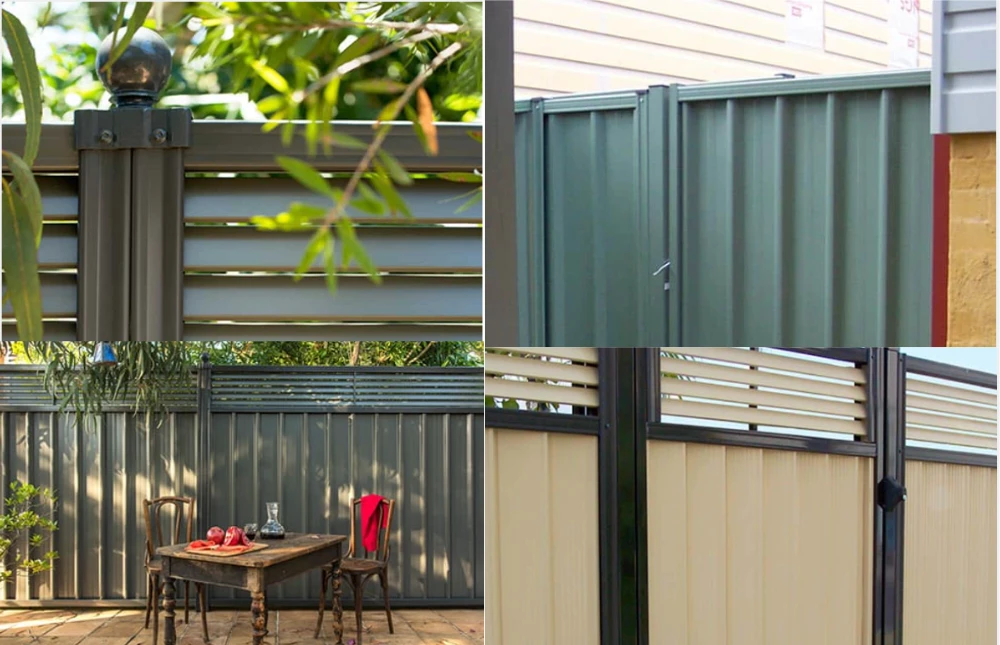
Backyard privacy is a major concern for people living in Australian suburban cities. Blocks are shrinking, and neighbours build higher homes and second-storey decks. This is the time when homeowners start searching for Colorbond fence extensions, as they realise that the existing boundary fence is no longer maintaining privacy or blocking the sightline. In these situations, one question emerges very commonly: extend with a Colorbond fence or switch to timber fencing altogether. Both options look very impressive on paper, with regard to durability, cost, and appearance. But when it comes to looks and long-term maintenance, Colorbond fences always come out on top. This guide breaks down how both fencing options perform in real Australian conditions.
WHY AUSTRALIAN HOMEOWNERS ADVOCATE COLORBOND FENCE EXTENSIONS?
Steel fencing has dominated Australian metropolitan and suburban areas for decades. Builders, renovators, and construction professionals prefer Colorbond fence extensions because they are easy and quick to install and can withstand challenging weather conditions. The maintenance requirements are also not very high, which is another reason for steel fencing's popularity.
All these features entice homeowners to not replace the entire fence and add height instead, using compatible steel panels or Colorbond fence extensions. Homeowners usually choose Colorbond fence for the following reasons.
● Immediate privacy improvement because raising the fence height blocks overlooking windows and balconies.
● Lower cost than a full replacement, with the existing structure remaining intact.
● Consistent appearance because extensions match the original steel panels and colours
Some restrictions and rules are in place related to fencing height in some suburban cities, but adding a modest extension using Colorbond fence often remains permissible under local council rules. The NSW Planning Portal can provide you with more detailed guidelines on residential boundary structures and development requirements.
TIMBER FENCE: STILL APPEALING TO TRADITIONAL PROPERTIES
Timber fencing holds strong visual appeal even till today, and older properties are often seen gelling really well with these timber fences. They provide natural warmth and look far better than steel panels in certain situations.
Timber also offers design flexibility. Homeowners can:
● Choose picket, slat or paling styles
● Paint or stain the fence any colour
● Adjust height or spacing easily
Timber fencing is the first choice of builders and renovation professionals when a homeowner wants to add a decorative character rather than maintain strict privacy. However, timber's performance as a fencing material comes into question when Australian climate conditions are considered.
DURABILITY IN HARSH AUSTRALIAN CONDITIONS
Weather conditions in Australia are strict and can become more challenging than most homeowners imagine. There is sun exposure, coastal winds, and seasonal storms that wear down the material and increase the risk of premature breakdown.
COLORBOND FENCE EXTENSIONS PERFORMANCE
Colorbond fences handle Australian conditions extremely well. A corrosion-resistant coating is present on the base steel to protect it from harsh climates and constant exposure.
KEY DURABILITY ADVANTAGES INCLUDE:
● Strong resistance to rust and corrosion
● No warping during extreme heat
● Termite-proof construction
● Minimal fading when exposed to UV
At very nominal Colorbond fence prices, you get versatile Colorbond fences and Colorbond fence extensions in over 22 colours. The entire product range manufactured by BlueScope Steel undergoes extensive durability testing across Australia, including coastal and inland environments. The result is that these Colorbond fences easily last up to 30 years with little structural decline.
TIMBER FENCE PERFORMANCE
Timber performs adequately at first but deteriorates faster. Common issues appear within several years:
● Rot or moisture damage after heavy rain
● Warping from sun exposure
● Termite activity in untreated timber
● Loose or leaning posts
Regular maintenance slows these problems but rarely eliminates them.
COST COMPARISON: EXTENSIONS vs. FULL TIMBER FENCE
Budget plays a major role in fencing-related decisions of homeowners across the nation. Typical Colorbond fencing prices are reviewed below. Across Australia, colorbond fencing prices typically fall between:
● $110–$180 per metre installed for standard fencing
● $40–$70 per metre for height extensions
● Prices vary depending on access, terrain and fence height.
Adding colorbond fence extensions often costs significantly less than replacing the entire fence line.
TIMBER FENCE COST
Compared to Colorbond fence, timber fencing will appear cheaper initially, and the best price can start around 75 to 120 dollars per metre.
However, timber maintenance increases lifetime costs, and homeowners frequently spend money on:
● Staining or painting every few years
● Replacing warped panels
● Treating termite damage
When calculated across 15–20 years, steel fencing often proves more economical.
PRIVACY AND SECURITY DIFFERENCES
Privacy remains a major reason people decide to upgrade their fencing. Both Colorbond fence extensions and timber fencing perform exceptionally well in terms of privacy.
STEEL FENCE EXTENSIONS
Steel extensions create a solid privacy barrier because panels contain no gaps.
BENEFITS INCLUDE:
● Strong visual screening
● Reduced wind penetration
● Improved backyard security
● Less outside noise
Many homeowners extend their fence height by 300–600mm, which significantly reduces overlooking.
TIMBER FENCE DESIGNS
Timber fences offer varying levels of privacy depending on style.
● Paling fences create solid barriers
● Slatted or picket styles allow visibility gaps
● Weathering can widen panel gaps over time
Timber fences also develop small openings as boards shrink or warp.
MAINTENANCE REQUIREMENTS OVERTIME
Fence maintenance often determines long-term satisfaction.
COLORBOND FENCE MAINTENANCE
Steel fencing requires very little attention.
HOMEOWNERS USUALLY ONLY NEED TO:
● Hose down panels occasionally
● Check screws or brackets after storms
● Trim plants touching the fence
● No repainting or sealing becomes necessary.
TIMBER FENCE MAINTENANCE
Timber demands ongoing care and maintenance, which typically includes:
● Repainting or staining every 3–5 years
● Replacing damaged boards
● Treating termite activity
● Reinforcing weakened posts
Skipping maintenance often shortens the fence's lifespan dramatically.
WHEN COLORBOND FENCE EXTENSIONS MAKE MORE SENSE?
Replacing the entire fencing is not always the wisest decision. People can rethink their decision and opt for Colorbond fence extensions in situations when –
● The existing fence remains structurally sound
● Only additional privacy becomes necessary
● A neighbour's second-storey home overlooks the yard
● Backyard renovations change outdoor living areas
Property renovation is also an ideal time to decide about installing Colorbond fence extensions. Your renovation professional can drive to your property to assess requirements before making a decision.
SITUATIONS WHERE TIMBER FENCING WILL WORK WELL
Despite numerous question marks over the timber fencing, it still suits certain situations and certain properties. According to the vendors, timber fences work well when –
● A homeowner wants a decorative or heritage style
● The fence forms part of a landscaping feature
● Local planning rules require timber materials
● Privacy remains less important than visual character
Here is some quick practical advice to follow before choosing a fence upgrade. This advice is critical because homeowners are seen repeating some common mistakes across suburban regions in Australia. Property owners sometimes –
● Replace an entire fence when extensions would solve the issue
● Choose timber without considering long-term maintenance
● Ignore council height restrictions
● Select mismatched materials between neighbours
Before committing, you must consider these steps very carefully:
● Inspect the current fence structure.
● Confirm local council height regulations.
● Compare lifetime maintenance costs.
● Discuss extension compatibility with fencing professionals.
● Small decisions early often prevent expensive corrections later.
Here are some frequently asked questions related to Colorbond fence extensions.
ARE COLORBOND FENCE EXTENSIONS ALLOWED IN AUSTRALIA?
● Most councils allow modest fence extensions.
● Height limits vary by region.
● Always check local planning rules or speak with your council.
HOW HIGH CAN A COLORBOND FENCE BE?
● Standard residential boundary fences usually reach 1.8 metres.
● Extensions may increase height slightly, depending on council regulations and neighbour agreements.
DO COLORBOND FENCE EXTENSIONS LOOK NOTICEABLE?
● Professional fence installers match the extension panels to the existing colorbond fence colours and profiles.
● When installed correctly, the extension blends naturally with the original fence.
IS TIMBER CHEAPER THAN COLORBOND FENCING?
● Timber usually costs less upfront.
● Over time, repainting, repairs and replacements often make timber more expensive.
HOW LONG DO COLORBOND FENCES LAST?
● Most colorbond fences last 20–30 years with minimal maintenance when installed correctly.